



What is Zirconium Coating?
Porcelain dental veneers are generally divided into two categories: metal-supported and metal-free. Metal-supported porcelain veneers can be used for treatments aimed solely at preserving the tooth, without aesthetic concerns. For patients who require aesthetic treatment, we recommend zirconium veneers, a type of metal-free porcelain veneer.
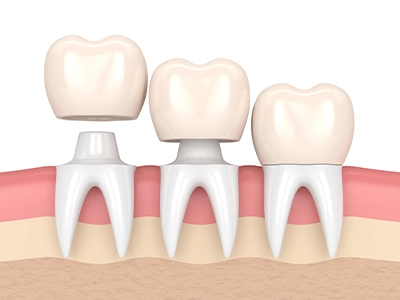
Zirconium veneers are currently the most commonly used type of porcelain veneer for aesthetic purposes. They are applied to treat congenital or acquired color, shape, and mild malocclusions in patients. This veneer method, consisting of a zirconium substructure with porcelain applied on top, makes it possible to achieve the desired aesthetic smile for patients. Because zirconium veneers have a very aesthetic appearance, they are generally applied to the teeth in the patient's smile line. Due to their long lifespan and compatibility with the gums, patients generally prefer zirconium veneers in the front areas.
There are some things patients should be aware of before and after zirconium crowns. These are:;
• Regular and proper oral hygiene,
• The patient should not perform any actions with zirconium crowns that would be unacceptable with their own teeth. For example, opening bottle caps, trying to crack hard-shelled foods with their teeth, etc.
• To go for regular check-ups with your doctor,
If these precautions are not taken, patients may face negative consequences. Some patients neglect oral hygiene, thinking that porcelain veneers will not decay or deform. This is a very wrong way of thinking. When patients who have received porcelain veneers do not pay attention to oral hygiene, serious problems such as discoloration of the porcelain due to plaque formation or decay of the supporting tooth under the porcelain veneer can occur. Extra care must be taken with oral hygiene before and after zirconium veneer placement, avoiding forces that will be perpendicular to the tooth and regular check-ups with the dentist are essential. Patients must be given information about what to pay attention to before and after zirconium veneer placement by the dentist before the procedure.
Contents
What is the difference between zirconium crowns and pre-treatment procedures?
Zirconium crown treatment is generally applied due to discoloration, shape, and misalignment of teeth. Therefore, both before and after zirconium crown treatment, patients regain the self-confidence they lost due to aesthetic imperfections in their teeth.
The aims of zirconium veneer treatment are:;
• To provide patients with a more aesthetically pleasing smile,
• Treating patients' tooth gaps with zirconium bridges as an alternative to implants.
• To help patients regain the self-confidence they lost due to aesthetic imperfections in their teeth,
• To prevent shifting and deformation of teeth due to missing teeth.
The lifespan of zirconium crowns varies depending on patient usage. During this period, patients need to maintain proper and regular oral hygiene. Plaque buildup on teeth can damage zirconium crowns. The average lifespan of zirconium crowns is between 10-15 years. Of course, as mentioned earlier, with proper care, this period can be extended up to 20 years.
After zirconium treatment, it may be necessary to renew the treatment due to bone loss that occurs with age. In this process, the existing zirconium crowns are removed and new measurements are taken from the patient. The zirconium treatment process continues in the same way.
Let's examine the zirconium treatment process point by point:;
• X-RAY AND EXAMINATION: Patients who want to have zirconium crowns should first have the soundness of their tooth roots checked with X-rays. We can think of this as the foundation of a building. The stronger the foundation, the stronger the building built on top will be. For this reason, the root condition of the teeth is checked before and after zirconium treatment to avoid any problems. Zirconium treatment can be applied to all teeth with sound roots.
During the examination, the doctor should explain the treatment process to the patient in detail.
• CUTTING AND MEASUREMENT PROCESS: Teeth to be veneered with zirconium crowns are first reduced in size so that porcelain can be placed on them. Then, a manual or digital impression is taken from inside the patient's mouth and sent to the dental laboratory. During this process, temporary plastic teeth are fitted to prevent sensitivity and problems in daily life.
• LABORATORY PROCESS: The substructure of the teeth is designed using impressions taken from the patient. The substructures are made of zirconium material. This process can take up to 1 week, although this may vary depending on the workload of the laboratory. After the substructure of the teeth is completed, the trial process begins.
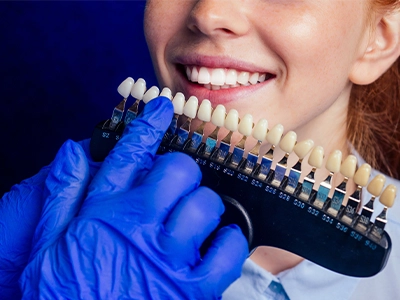
• TRIAL PROCESS: This process may need to be repeated several times. If there are no problems with the designed substructures and they are compatible with the gums, the color of the teeth is determined. Afterwards, porcelain is applied to the zirconium substructures and takes its final form. The patient is called back to the clinic. If neither the patient nor the doctor sees any problems with the zirconium porcelain, the bonding process begins.
• CEMENTATION (ADHESIVE) PROCESS: Zirconium crowns are initially bonded temporarily to allow the patient to get used to them. They are monitored for 1-10 days. If the patient experiences no problems after 1 week, they are permanently bonded, and the treatment process is complete.

How long does zirconium veneer take to finish?
Zirconium treatment is completed faster than implant treatment. Unlike implant treatment, there is no waiting period; the treatment is completed quickly. The speed of treatment is a major reason for its frequent preference. Additionally, the translucency of zirconium material, resulting in a more aesthetically pleasing appearance, and its compatibility with the gums can also be considered.
Zirconium crown treatment typically takes an average of 2 to 3 sessions from the start of the procedure. This can be longer depending on the patient's requests. In some cases, 5-6 sessions may be required to achieve the desired shape of the teeth and to ensure the crown fits the gums perfectly and aesthetically.
Zirconium crowns are initially cemented to patients using temporary, soft adhesives. A trial and adaptation period of about a week begins. During this period, patients need to be monitored to see if they can adapt to the zirconium crowns and if they experience any problems with chewing or speaking. Once the adaptation period is complete, the teeth are permanently cemented using strong adhesives.
Can permanent bonded zirconium crowns be altered?
To prevent this, we recommend that patients go through a trial and adaptation period. However, some patients may not get used to them even after they stay in their mouths for a long time. After permanent cementation, it is possible to make minor adjustments to zirconium porcelain crowns. For example, reducing tooth height, slightly shortening tooth lengths, polishing teeth, etc. Sometimes it is even possible to repair small fractures in the mouth. Of course, this is not possible for every fracture and crack. For this reason, we recommend keeping zirconium crowns clean and avoiding any actions that could damage them.
Is it possible to place zirconia porcelain crowns on implants?
While metal-supported porcelain crowns can be placed on implants, metal-free, or zirconium porcelain crowns can also be used. In fact, if the implant is to be placed in the front and the patient does not want the adjacent teeth to be reduced, applying zirconium porcelain crowns on implants would be the most appropriate treatment for the patient.
How are zirconium porcelain crowns made on implants?
The implant treatment process begins with the placement of screws into the bone, provided the patient does not have bone loss. After the screws are placed in the bone, a healing period of at least 3 months begins for the implants to fuse with the bone. During this time, the patient may need to come for check-ups. Once the healing process is complete, the gum tissue over the implant is opened, and the prosthesis stage begins.
Implant-supported zirconium crowns are divided into two types: screw-retained and cemented (bonded). The dentist decides which type to use because it depends on the gum line. If you ask how long an implant-supported zirconium crown takes, excluding the screw process, it takes about the same as a tooth-based zirconium crown.
In short, zirconium crowns, whether for implants or natural teeth, are a highly preferred treatment option, and İnci Diş frequently and carefully applies them to ensure patient satisfaction.