




How long does it take to get used to dentures?
Starting to wear dentures is a new experience that requires adjustment, especially for those using dentures for the first time. It's quite normal to feel a different sensation in your mouth, have difficulty speaking, or feel the dentures more strongly while eating during the first few days.
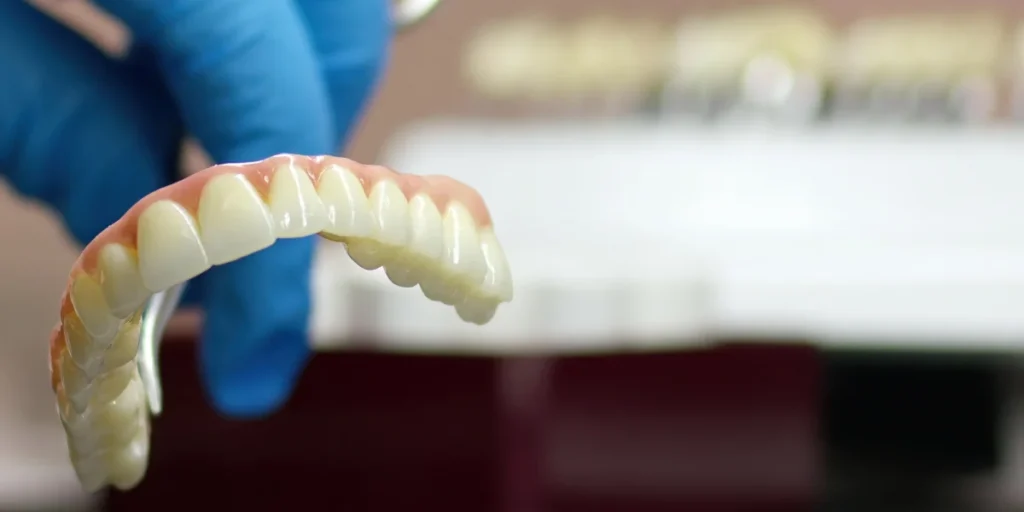
So how long does it take to get used to dentures, and what should be considered during this process?
How long does it take to get used to dentures?
The adjustment period for dentures varies from person to person. While some people adapt to their dentures within a few days, for others the adjustment period may take several weeks.
During this process, the mouth and tongue begin to adapt to the presence of the prosthesis. Mild discomfort experienced in the first few days will gradually decrease. Having your prosthesis prepared to fit your mouth structure and adjusted by your dentist when necessary also significantly facilitates the adaptation process.
It is normal to experience the following situations during the initial period of using dentures:
- Feeling of fullness or a foreign object in the mouth
- Temporary increase in saliva production.
- Difficulty pronouncing certain words when speaking.
- Difficulty getting used to the prosthesis while chewing.
- Mild sensitivity or feeling of pressure.
- Thinking that the prosthesis is moving
These symptoms usually lessen as your mouth and tongue get used to the prosthesis. However, you should consult your dentist if you experience severe pain, persistent sores, or significant movement of the prosthesis.
Contents

How to Get Used to Speaking with Dentures?
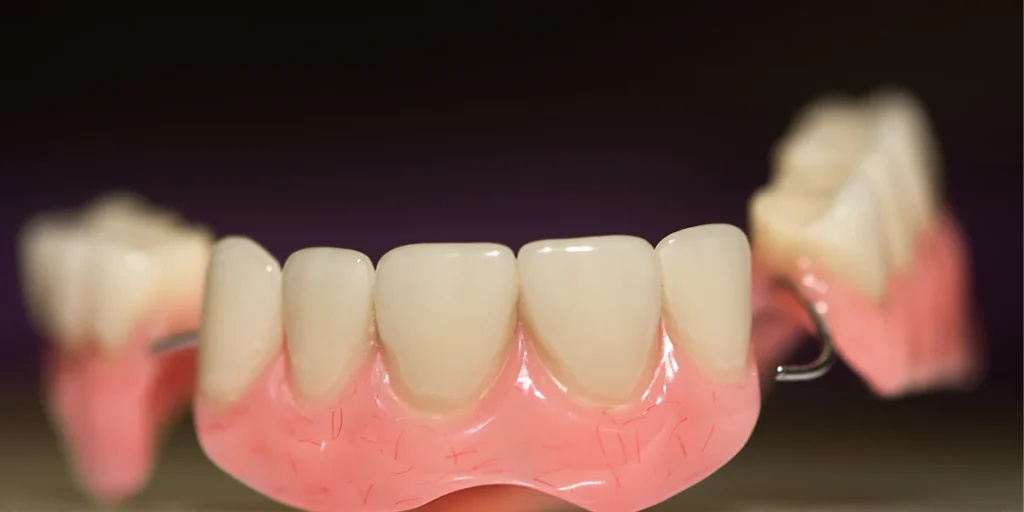
One of the most frequently asked questions by people using new dentures is about speech. Because the denture changes the range of movement of the tongue inside the mouth, speech may sound different in the first few days.
To get used to speaking faster:
- You can read a book or newspaper aloud during the day.
- You can practice speaking in front of a mirror.
- You can repeat difficult-to-pronounce words slowly.
- You can try to maintain your daily conversations as much as possible.
With regular practice, your tongue will become accustomed to the shape and position of the prosthesis.
How to Start Eating with Dentures?
Choosing softer foods instead of hard and sticky foods in the first few days can make the adjustment process easier.
Take small bites when eating and try to chew your food on both sides as much as possible. Avoid very hard foods in the early stages, and be careful when consuming very hot food and drinks. Don't rush when eating with your prosthesis. Over time, your chewing movements will become more natural, and it will be easier to consume different foods.
Is it normal for dentures to rub against something?
Some areas may experience pressure or mild sensitivity with new dentures. However, it is not considered normal for the denture to constantly cause sores or severe pain in the same area. In such a case, instead of filing or altering the denture yourself, you should consult your dentist. Your dentist can check the denture's suitability for your mouth structure and make the necessary adjustments.
Why is the Care of Dentures Important?
Besides the adjustment period with dentures, cleaning them is also very important for oral health. Food particles and plaque that accumulate on dentures can cause bad breath, gum problems, and irritation in the mouth. Regular cleaning of dentures and oral and gum care as recommended by the dentist are necessary.
When should you see a dentist?
You may experience mild discomfort during the initial period of using a prosthesis. However, it is important to seek support from your dentist in the following situations:
Severe or persistent pain
Recurrent mouth sores
- The prosthesis constantly comes out during speech or eating.
- Excessive movement of the prosthesis in the mouth
- Experiencing significant difficulty chewing.
- Significant swelling or irritation of the gums
Through necessary checks, the fit of your prosthesis to your mouth can be evaluated, and adjustments can be made if needed. Remember, your dentures are designed to make your daily life easier and support your oral functions. If you experience any ongoing discomfort or incompatibility with your prosthesis, consulting your dentist is the best course of action.
For pricing and detailed information, please visit our İnci Dental Clinics.