



Endodontic Treatment
Dental health plays a critical role in our overall health. Maintaining oral and dental health can positively impact overall body health. Therefore, endodontics (root canal treatmentEffective dental treatment methods such as these play an important role in maintaining oral health.
Contents
- Endodontic Treatment
- What is Endodontics (Root Canal Treatment)?
- How is root canal treatment performed? Stages of root canal treatment.
- How long does root canal treatment take?
- Why is root canal treatment performed?
- What should be done if a root canal treated tooth becomes infected?
- Will there be pain after root canal treatment?
- How long does it take for a root canal to heal? What is the duration?
- In what situations is root canal treatment performed/not performed?
- Root Canal Treatment Retreatment
- Root Canal Treatment for Decayed Roots
- Root canal treatment for an abscessed tooth.
- Dental Cyst Root Canal Treatment
- Root Canal Treatment for Wisdom Teeth
- Root Canal Treatment for Inflamed Tooth
- Root Canal Treatment for Front Teeth
- Primary Tooth Root Canal Treatment
- Things to Consider After Root Canal Treatment
- Severe Pain After Root Canal Treatment
- Throbbing after root canal treatment.
- Cheek Swelling After Root Canal Treatment
- Can I eat after root canal treatment?
- Can I brush my teeth after root canal treatment?
- Endodontics Root Canal Treatment Prices 2025
- Root Canal Treatment (Endodontics) Service Prices: ₺4,000 - ₺9,000
What is Endodontics (Root Canal Treatment)?
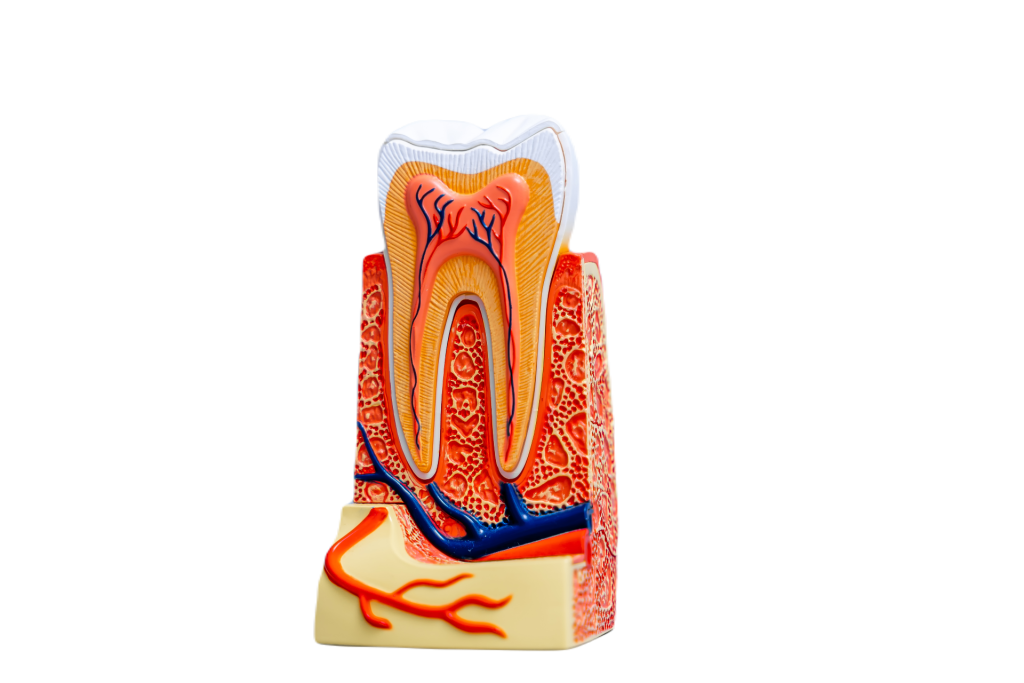
Endodontics, Dental implants are a significant subfield of dentistry, specializing in the examination and treatment of internal tooth problems. The most common procedure in this field is root canal treatment. Root canal treatment is a procedure typically used to treat conditions such as inflammation, infection, or damage occurring in the soft tissue area inside the tooth called the pulp.
Channel or endodontic treatment, This is a procedure in which problematic tissues inside the tooth are cleaned and filled in a sterile environment. This treatment prevents tooth extraction and preserves the natural tooth. A dentist or... endodontist, First, the tooth's pulp is removed, then the canals are cleaned and shaped. Finally, the cleaned spaces are filled with special filling materials, restoring the tooth's function and durability. Root canal treatment prevents problems such as toothache and tooth loss, and improves the patient's oral health.
How is root canal treatment performed? Stages of root canal treatment.
Stages of root canal treatment, This is a procedure carefully planned by dentists. This treatment typically involves the following steps.
Taking X-ray Images: At the beginning of treatment, the dentist takes X-ray images of the tooth to identify any problems. This step allows for a detailed assessment of the affected area.
Local anesthesia: Before treatment begins, the dentist will administer local anesthesia. This is done to ensure the patient does not feel any pain or discomfort.
Removing Decay: The decay that reaches the nerves and causes severe pain in the tooth is removed. This process continues until it reaches the soft tissue called the pulp.
Pulp Removal: The soft tissue inside the tooth, called the pulp, is removed in a sterile environment. Cleaning this area means eliminating infection and inflammation.
Cleaning and Shaping the Channels: The nerve tissues inside the tooth are completely cleaned and shaped using special small files. This step ensures proper preparation of the root canals.
Filling the Channels: The cleaned root canals are filled with special filling materials. These materials prevent inflammation and restore the tooth's strength.
Tooth Restoration: After root canal treatment, the tooth is usually sealed with a crown or similar restorative procedure. This restores the tooth's function and aesthetics.
These steps are crucial for the successful completion of root canal treatment. The treatment process may vary depending on the condition of the tooth and the stage at which treatment begins. Patients generally do not experience pain or discomfort during treatment due to local anesthesia. After treatment, attention should be paid to proper care and follow-up recommendations to ensure the tooth remains healthy and usable.

How long does root canal treatment take?
Endodontics root canal treatment The duration can vary depending on several factors and generally differs depending on the complexity of the treatment, the condition of the tooth, and the stage at which treatment is initiated. However, in general terms, root canal treatment can take anywhere from a few hours to multiple sessions.
In the first stage of treatment, the dentist usually takes X-ray images and administers local anesthesia. Then, procedures such as pulp extraction and cleaning and shaping of the root canals are performed. These stages can take several hours to complete.
Next, the root canals are filled and the tooth is restored. These stages can usually be completed within a few days. However, the entire root canal treatment process generally takes one to several weeks.
Factors such as the patient's condition, the internal structure of the tooth, and the response to treatment are important factors that affect the duration of treatment. The dentist can provide more specific information regarding the duration by explaining the expectations of the treatment to the patient in detail. Root canal treatment lifespan This can vary depending on how careful you are after treatment.
Why is root canal treatment performed?
Root canal treatment is a dental treatment method generally used to correct problems in the internal structure of the tooth and to preserve the tooth. Here are some key reasons why root canal treatment is performed:
Inflammation or Infection: If there is inflammation or infection in the pulp area inside the tooth, this may require root canal treatment. Treatment involves cleaning out the inflamed or infected tissue and disinfecting the canals.
Tooth Damage or Trauma: Trauma to the tooth, accidents, or blows can cause damage that affects the pulp. In these cases, root canal treatment may be performed to preserve the tooth.
Deep Bruises: Tooth decay can damage the pulp. If the decay reaches the tooth's pulp, root canal treatment may be necessary. Treatment involves cleaning out the decay and restoring the inside of the tooth.
Recurring Toothaches: Persistent or recurring tooth pain may indicate a problem in the pulp area. In this case, root canal treatment may be performed to clean the inflamed or damaged tissues causing the pain.
Tooth Protection: Dentists may opt for root canal treatment to prevent tooth loss for various reasons. This treatment preserves the tooth's natural structure and contributes to oral function.
Aesthetic and Functional Restoration: Root canal treatment strengthens the tooth from the inside, providing both aesthetic and functional restoration. This treatment allows the tooth to maintain its chewing function while also achieving an aesthetically pleasing appearance.
Root canal treatment is an effective treatment method to resolve problems in the internal structure of the tooth and preserve the natural tooth. However, every case is unique, so a detailed evaluation by a dentist is important before undergoing root canal treatment.
What should be done if a root canal treated tooth becomes infected?
If inflammation occurs in a tooth despite previous root canal treatment, it's important to consult a dentist immediately. This could indicate treatment failure or a new infection. The dentist will conduct an assessment to determine the cause of the inflammation and plan appropriate treatment.
Your doctor may prescribe antibiotic treatment. This can control the infection and speed up healing. Additionally, if drainage of the inflammatory fluid is necessary, an abscess drainage procedure may be performed. If the inflammation indicates that the filling materials used during the root canal treatment were insufficient, your dentist may perform a revision root canal treatment. This procedure involves cleaning and properly filling the canals again.

Will there be pain after root canal treatment?
Mild pain after root canal treatment is normal. However, this pain usually starts immediately after the treatment and subsides within a few days. The pain may be due to the dentist's procedure and the work done on the internal structure of the tooth.
Pain intensity generally varies depending on individual experience and the complexity of the treatment. Factors such as the severity of inflammation and infection in the affected tooth, the level of pain before treatment, and the patient's pain tolerance also play a role.
To reduce or control pain after treatment, the following steps can be taken:
- Medication: Using pain relievers or anti-inflammatory medications as recommended by your dentist may help relieve the pain.
- Cold Application: After treatment, applying ice around the tooth can reduce swelling and relieve pain.
- Rest: Resting for a while after treatment and avoiding excessive pressure in the mouth can help promote healing.
If the pain is severe and persistent after treatment, or does not decrease over time, you should consult your dentist immediately. In this case, the cause of the pain can be evaluated and the necessary interventions can be made. It should be remembered that every patient may react differently, so it is best to consult a dentist if you have any concerns.
How long does it take for a root canal to heal? What is the duration?
The healing time after root canal treatment can vary depending on several factors. These factors include the complexity of the treatment, the condition of the tooth, the patient's overall health, and the stage at which the treatment is initiated. In general, the healing process after root canal treatment can range from a few days to a few weeks.
Immediately after treatment, the patient may experience pain or discomfort, but this is usually temporary. Within the first few days, the pain generally subsides, and the patient may be able to return to normal activities. However, the full recovery process may take longer.
Some factors that affect the healing process include:
- Tooth Condition: The severity of the problems within the tooth's structure and its condition before treatment affect the healing process.
- Patient Reaction: Every patient is different, and factors such as pain tolerance, overall health, and immune system influence the healing process.
- Post-Treatment Care: Following your dentist's post-treatment care instructions can speed up the healing process.
Patients should share any pain or discomfort after treatment with their dentist and seek professional help immediately if they have any concerns. Generally, the dentist may call the patient in for regular check-ups to monitor the healing process after root canal treatment and make appropriate interventions if needed.
In what situations is root canal treatment performed/not performed?
Root canal treatment is an effective treatment method for solving various dental problems. However, root canal treatment may not be suitable in every case. The situations in which root canal treatment should or should not be performed are as follows:
Situations Requiring Root Canal Treatment:
- Inflammation or Infection Inside the Tooth: If there is inflammation or infection in the pulp area inside the tooth, root canal treatment may be necessary. This condition can manifest itself with symptoms such as toothache, swelling, or tenderness.
- Deep Cavities: When tooth decay progresses to the pulp of the tooth, root canal treatment may be necessary. In this case, the decayed tissue is cleaned and the inside of the tooth is restored.
- Dental Trauma or Injury: If the internal structure of the tooth is damaged, root canal treatment may be necessary. This usually occurs as a result of accidents or blows to the tooth.
- Recurring Toothaches: If you experience persistent or recurring tooth pain, and a dentist's evaluation indicates a problem in the pulp region, root canal treatment may be considered.
Situations in which root canal treatment should not be performed:
- If the tooth needs to be extracted: Root canal treatment may not be possible if the tooth is beyond saving, if the decay has reached the root, or if there is damage to the root.
- Severely Damaged Teeth: If the internal structure of the tooth is severely damaged and root canal treatment is difficult or ineffective, the tooth may be extracted.
- Pulp Absence: If the pulp region is absent or the damage to the pulp region is very advanced, root canal treatment may not be necessary.
Every case is unique, and a dentist will assess the patient's situation and determine the most appropriate treatment plan. Therefore, it is important to consult a dentist whenever you experience any dental problems. For example, factors related to root canal treatment during pregnancy can vary, so it is not recommended to make a decision without consulting your dentist.
Root Canal Treatment Retreatment
A repeat root canal treatment, or a second root canal procedure, is considered when a previous root canal treatment has failed or a new problem has arisen. If a previous root canal treatment did not yield the expected results and symptoms persist, a reassessment by the dentist is necessary. root canal treatment twice on the same tooth It can be planned.
In this procedure, errors from the previous treatment are identified, and problems within the tooth's internal structure are addressed more effectively. After determining the source of the problem through X-rays and a detailed examination, the root canals are cleaned, reshaped, and filled with special filling materials to restore the tooth's health. A second root canal treatment aims to correct the deficiencies of the previous treatment and restore the tooth's function and durability.
Root Canal Treatment for Decayed Roots
root canal treatment, This is a dental treatment procedure applied when tooth decay progresses and reaches the pulp region within the tooth's inner structure. If the decay spreads to the inside of the tooth, the inflamed or damaged tissues in the pulp region are cleaned, and the root canals are sterilized and filled with special filling materials.
This treatment prevents tooth extraction, controls inflammation, and relieves pain while preserving the tooth's natural structure. Root canal treatment restores the tooth's function, provides an aesthetic appearance, prevents the loss of the decayed tooth, and aims to protect overall oral health.
After treatment, the patient usually feels a significant improvement, and symptoms such as pain and sensitivity decrease. Following the care instructions given by the dentist can increase the success of the treatment. Root canal treatment is an important step for the long-term health of the tooth, increasing its durability and allowing it to serve healthily for many years.
Root canal treatment for an abscessed tooth.
Root canal treatment for an abscessed tooth is a treatment method applied when there is inflammation or infection in the pulp area inside the tooth. An abscessed tooth usually manifests itself with symptoms such as pain, swelling, and sensitivity. Root canal treatment is performed to heal this condition and preserve the tooth.
The treatment process typically involves the following steps: First, the dentist removes the inflamed pulp tissue and cleans the root canals. Then, the canals are filled with a special filling material and sterilized. This process removes the inflamed tissue from the inside of the tooth, controlling the infection. After treatment, the tooth can resume its normal function, and symptoms such as pain or swelling are reduced.
Root canal treatment for an abscessed tooth is an effective treatment option that helps prevent tooth loss while also reducing the patient's discomfort. Following treatment, it is important to follow the care instructions recommended by your dentist.
Dental Cyst Root Canal Treatment
Root canal treatment is a procedure used to treat cysts that develop inside or around a tooth. Dental cysts can often form as a result of infections, trauma, or cavities. Root canal treatment is used to resolve the problems caused by these cysts and preserve the tooth.
The treatment process includes the following steps: First, the dentist assesses the type and size of the cyst. Then, any inflamed or damaged tissues within the tooth are cleaned, and the root canals are sterilized. Removing the tissues affected by the cyst allows the root canal treatment to contribute to the healing of the cystic lesion.
After root canal treatment, In this procedure, the cavities within the tooth's internal structure are filled with special filling materials to strengthen the tooth and allow it to maintain its natural function. This method aims to protect the tooth by eliminating the discomfort caused by dental cysts. Following the treatment, adhering to the follow-up appointments and care instructions recommended by the dentist can increase the success rate and reduce the risk of cyst recurrence.
Root Canal Treatment for Wisdom Teeth
Root canal treatment for wisdom teeth is a treatment method usually applied due to problems or infections in the internal structure of the tooth. Wisdom teeth, also known as "fountain teeth," are the third molars and most people erupt during adolescence or young adulthood.
Various problems can arise during or after the eruption process of these teeth. For example, decay may develop inside the tooth, or inflammation may occur in the tissues surrounding the gum. In these cases, root canal treatment may be applied to the wisdom tooth.
The treatment process involves stages determined by the dentist. First, problematic or inflamed tissues within the wisdom tooth are cleaned, and the root canals are sterilized. Then, the canals are filled with special filling materials to strengthen the tooth.
Root canal treatment for wisdom teeth is used to preserve the tooth's health and resolve issues such as pain and swelling. Following treatment, it's important to follow the dentist's recommended care instructions and attend follow-up appointments regularly if necessary.
Root Canal Treatment for Inflamed Tooth
Root canal treatment for an inflamed tooth is a procedure used to treat inflammation or infection that develops in the pulp region of the tooth (the area containing nerves, blood vessels, and connective tissue inside the tooth). This condition usually occurs as a result of deep cavities, dental trauma, or cracked teeth.
The treatment process includes the following steps: First, the dentist cleans the inflamed pulp tissue and sterilizes the canals within the tooth. This step removes inflamed or infected tissue. Then, the canals are filled with special filling materials to strengthen the tooth's internal structure and prevent the spread of infection.
Root Canal Treatment for Front Teeth
Front tooth root canal treatment, This is a treatment method typically applied to front teeth affected by decay, trauma, or other damage. Front teeth are of great importance in terms of aesthetics and function, so problems occurring in these teeth should be resolved quickly.
The treatment process begins with the dentist cleaning the inflamed or damaged pulp tissue. Then, the inner canals of the tooth are filled with special filling materials to control bacteria and infection. This stage of treatment aims to strengthen the tooth's internal structure and prevent future infections.
Primary Tooth Root Canal Treatment
root canal treatment of a baby tooth, Dental implants are a treatment method applied to address conditions such as decay, trauma, or infection that commonly occur in baby teeth. Baby teeth are temporary teeth in children, but they are important for healthy oral development and the proper positioning of future permanent teeth.
The treatment process begins with the dentist cleaning the inflamed or damaged pulp tissue. Then, the inner canals of the tooth are filled with special filling materials to control bacteria and preserve the tooth's natural structure.
Root canal treatment for baby teeth prevents premature tooth loss, preserves the child's natural tooth structure, and minimizes problems that could affect the eruption of future permanent teeth. Following treatment, it is important to guide parents in developing healthy dental care habits for their child. Additionally, regular dental checkups monitor the health and development of baby teeth.
Things to Consider After Root Canal Treatment
There are some important factors to consider to keep your tooth healthy after root canal treatment. Here are some things to keep in mind after root canal treatment:
Pain and Swelling Control:
Mild pain after treatment is normal, but if you experience severe pain or swelling, you should contact your dentist immediately.
Take the pain relievers and anti-inflammatory drugs prescribed by your doctor regularly.
Dental Hygiene:
Continue your regular brushing and flossing habits, but approach the treatment area with care.
Maintain good oral hygiene by using mouthwashes recommended by your dentist.
Choose soft foods:
Avoid hard and raw foods for a while after treatment.
Choose soft, easily mashed foods to avoid further damage to your teeth.
Avoid heat and cold:
Avoid extremely hot or cold foods and drinks for a while after treatment, as they may increase tooth sensitivity.
Regular Check-ups:
Attend your dentist's recommended follow-up appointments regularly.
Seek professional help immediately if you experience any discomfort or problems.
Avoid Bad Habits:
Avoid bad habits like teeth clenching or nighttime bruxism (teeth grinding).
If you have these kinds of habits, talk to your dentist about appropriate treatment options.
Pay attention to smoking and alcohol consumption:
Avoid harmful habits like smoking and alcohol, as these can negatively affect dental health.
Following these precautions after root canal treatment will help protect your tooth in the long term. Remember that regular dental checkups are an integral part of healthy oral care.
Severe Pain After Root Canal Treatment
Pain after root canal treatment It is generally a rare occurrence, but it can sometimes happen. The causes of the pain may include situations where treatment has not been completely successful or an infection has not been fully controlled. If you experience unexpectedly severe pain after treatment, it is important to consult your dentist immediately. Also... throbbing pain after root canal treatment If you live in that area, you can quickly resolve the problem by making an appointment at İnci Dental Clinics immediately.
The dentist will identify the source of the pain, recommend appropriate treatment, and perform additional interventions if necessary. During this process, the patient should regularly use the medications prescribed by the doctor to alleviate the pain and maintain good oral hygiene. Furthermore, following the dentist's instructions and attending scheduled follow-up appointments can help effectively control the pain.
Throbbing after root canal treatment.
A throbbing sensation after root canal treatment can occur immediately after the treatment or some time later. This is related to post-treatment changes in the tooth's internal structure and the healing process of the tissues. This throbbing sensation is usually temporary and can be considered part of the body's healing process. However, if the throbbing sensation is severe or prolonged, it is important to contact your dentist, as there may be other underlying issues.
Cheek Swelling After Root Canal Treatment
Swelling of the cheek after root canal treatment., Swelling in the cheek may be a reaction to instruments or medications used during treatment, or it may be the result of pre-existing inflammation. Mild swelling after treatment is normal, but severe or persistent swelling requires immediate consultation with a dentist. Your dentist will determine the cause of the cheek swelling, recommend appropriate treatment, and take additional measures if necessary.
Can I eat after root canal treatment?
Pain and sensitivity are common after root canal treatment, so soft and easily chewed foods should be preferred. Soft foods, soups, or pureed foods may be more suitable in the first few days. Hot or cold foods should be avoided, as they can increase tooth sensitivity. However, depending on the individual's level of pain, a normal diet can be resumed over time.. Eating after root canal treatment. When you follow your dentist's instructions, you generally shouldn't experience any problems.
Can I brush my teeth after root canal treatment?
root canal treatment Brushing your teeth after treatment is important, but it should be done carefully. Gentle movements should be used on the treated area, and excessive pressure should be avoided. A soft-bristled toothbrush recommended by your dentist should be used. Brushing your teeth regularly after treatment is also important to reduce the risk of infection and protect gum health.
Endodontics Root Canal Treatment Prices 2025
Endodontics root canal treatment prices, Prices can vary depending on several factors. Some of the main factors affecting endodontic root canal treatment prices in 2025 are:
- Tooth Location:
The location of the tooth to be treated with root canal generally affects the price. Root canal treatment in front teeth is usually less expensive than in back teeth.
- Dentist's Specialty:
Root canal treatment performed by an experienced and skilled dentist generally comes with a higher cost. The dentist's expertise and experience can affect the cost of treatment.
- Complications:
Unexpected complications during treatment or the complexity of the treatment can affect prices. For example, the cost may increase if more canals need to be treated.
- Materials Used:
Using high-quality, specialized endodontic materials can increase costs. The quality of these materials can also affect the chances of successful treatment.
Since every patient has different needs, it's important to contact your dentist for an accurate pricing quote. Istanbul endodontics For your treatment, get root canal treatment from İnci Dental Clinics. treatment prices For detailed information, please contact our professional teams immediately.
Root Canal Treatment (Endodontics) Service Prices4,000 TL - 9,000 TL
- Qualified and Professional Team
- High-Tech Dental Laboratory
Online Appointment
Root canal treatment is the process of cleaning the nerve tissue in the canals located in the roots of a tooth.
Root canal treatment is applied when fillings are insufficient to treat tooth decay, if there is inflammation, if the tooth decay has progressed, if it is painful, if the tooth has darkened, or if there is excessive sensitivity to hot and cold.
Root canal treatment is a necessary procedure to save a tooth. It is not optional. If the tooth has an infection, root canal treatment should be performed before a filling. Root canal treatment is not a painful procedure. If the tooth is not necrotic and is still alive, root canal treatment is performed under local anesthesia.
Root canal treatment is a repeatable procedure. The previous filling is cleaned, the old canals are removed, the tooth is reshaped, medication is applied, and it can be refilled.
Treatment duration varies depending on the number of canals in the tooth, its location in the mouth, and the presence of infection. If there is no infection or cyst formation in the pulp, root canal treatment can be completed in a single session. However, since the tooth is usually infected, treatment typically takes two sessions. A single root canal treatment session can last up to 45 minutes. In the first session, the tooth canal must be thoroughly cleaned and shaped. Local medication is applied to the cleaned area to kill harmful microorganisms. In the second session of root canal treatment, if there is no inflammation in the canal, no sensitivity in the tooth, a clear X-ray, and no abnormalities in the surrounding tissue, the tooth is filled.