



Prosthetic Dentistry
Prosthetic dental treatment, Dental prostheses are an important dental treatment method that individuals experiencing tooth loss resort to in order to improve their quality of life and achieve an aesthetic appearance. Prosthetic teeth, specially designed to replace missing teeth, restore the functions of natural teeth, offering patients an aesthetic and functional solution.
Contents
- Prosthetic Dentistry
- What are dental prostheses?
- Advantages of Dentures
- Prosthetic Tooth Models and Features
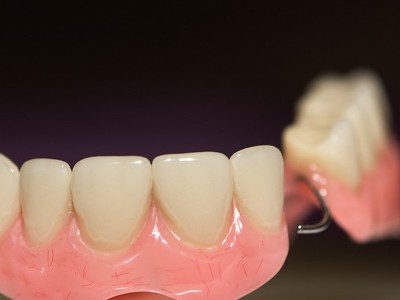
- Removable Dentures
- Fixed Prosthetic Teeth
- How are dental prostheses made?
- Dental Prosthetics Laboratory
- Dental Prosthetics Prices 2025
- Prosthetic Service Prices: ₺20,000 - ₺90,000
- How long does a dental prosthesis last?
- How to Take Measurements for Dentures?
- Prosthetic Teeth Cleaning
What are dental prostheses?
What are dental prostheses?, The answer to the question, "Are these teeth specially designed to help individuals who have experienced natural tooth loss regain their dental function?", can be given as follows: They are usually placed to replace missing teeth and are prepared to suit the patient's oral structure.
Dentures help patients normalize their speech and chewing functions, as well as achieve an aesthetically pleasing appearance. Removable dentures offer easy care and cleaning due to their removable nature. On the other hand, fixed dentures provide a fixation similar to natural teeth, achieving a strong hold based on implants or natural teeth.
Advantages of Dentures
Dentures are artificial teeth used to replace missing teeth or restore dental function. Dentures have many advantages, some of which are listed below:
- Aesthetic Improvement: Dentures can be used to provide an aesthetically pleasing smile. By replacing missing teeth, facial features are corrected and a person's appearance is positively affected.
- Functional BenefitsDentures restore tooth function. They have a positive effect on chewing, speaking, and overall oral functions.
- Comfort and Adaptability: Modern dentures are made from materials similar to natural teeth. This ensures that the dentures fit comfortably in the mouth. Furthermore, the user can adapt better to the dentures over time.
- Increased Self-Confidence: Replacing missing teeth with prosthetic teeth can boost a person's self-confidence. Aesthetic and functional improvements can positively impact an individual's social life.
- Jawbone Health: Replacing missing teeth with prosthetic teeth can help protect jawbone health by balancing the pressure on the jawbone. This can prevent jawbone resorption.
- Cost-Effective: Compared to other dental treatments, dentures are generally more affordable. Therefore, they can be a budget-friendly dental treatment option.
- Quick Results: Dentures can be applied more quickly than other dental treatments. This can offer an advantage to people seeking a quick solution for missing teeth.
An improperly performed prosthetic process can initially cause discomfort and may lead to wear or changes in the prosthetic teeth over time. Therefore, it is important to schedule an examination appointment with İnci Diş's professional and experienced team and get the opinion of our expert dentists.

Prosthetic Tooth Models and Features
Prosthetic tooth models, Prosthetic teeth vary depending on the user's needs and the extent of tooth loss. Some commonly used prosthetic tooth models and their features are as follows:
Full Dentures:
- Features: Complete dentures are used to replace missing teeth in the upper jaw, lower jaw, or both. They are made from materials such as acrylic or porcelain.
- Areas of application: It is used when all teeth are missing.
Partial Dentures:
- Features: Partial dentures are suitable for people with several missing teeth. They can be designed with a metal frame or based on the gum tissue.
- Areas of application: It is used to replace missing teeth in individuals who have experienced partial tooth loss.
Fixed Prosthetic Teeth (Bridges):
- Features: Fixed dental prostheses are a type of structure where missing teeth are connected to each other using a bridge. They are supported by natural teeth and are usually made of porcelain or ceramic materials.
- Areas of application: It is used when one or more teeth are missing, in situations where other teeth provide support.
Hybrid Dentures:
- Features: Hybrid dentures combine the features of both fixed and full dentures. They are typically placed on implants and offer an aesthetic solution.
- Areas of application: It is used for both aesthetic and functional improvements.
Implant-Supported Dentures:
- Features: Implant-supported dentures are fixed onto implants placed in the jawbone. They provide a more secure hold and a feel closer to natural teeth.
- Areas of application: It may be recommended for people who have experienced complete or partial tooth loss.
Nighttime Prostheses (Nighttime Jaw Splint):
- Features: Nighttime dentures are used to treat temporomandibular joint (TMJ) problems or conditions such as teeth grinding. They are usually made from specially designed plastic materials.
- Areas of application: It is used for bruxism (teeth grinding) or temporomandibular joint disorders.
Types of dental prostheses Choosing among them depends on many factors, including an individual's dental condition, oral structure, budget, and aesthetic preferences. A dentist should conduct an assessment to recommend the prosthetic dental model that best suits the patient's needs.
Which is the best dental prosthesis?, There is no single definitive answer to that question. The prosthetic tooth you choose, together with your dentist, should be the one that best suits your physical needs. To get clear information and determine the most suitable prosthetic tooth for you, you can schedule an appointment at İnci Diş and discuss the matter with our expert dentists.
Removable Dentures
Removable dentures, Dental prostheses are a dental treatment option that offers aesthetic and functional improvements to people experiencing tooth loss. These prosthetic teeth, often called full dentures, are used in cases where there are missing teeth in the upper jaw, lower jaw, or both jaws.
These types of prosthetic teeth are not fixed in the mouth and are removable. They are usually made of acrylic resins, and the teeth are typically made of porcelain or porcelain-like materials. These materials are preferred for their durability and comfortable fit in the mouth.
Removable dentures allow users to achieve an aesthetic appearance similar to natural teeth. They also restore chewing, speaking, and general oral functions. However, users may need to get used to wearing these teeth initially, as the dentures are removable and not fixed in the mouth.
Fixed Prosthetic Teeth
Fixed prosthetic teeth, for individuals with missing teeth permanent prosthetic teeth Dental implants and bridges are among the procedures that offer a solution for this. This method addresses aesthetic concerns while also restoring chewing function.
These types of prosthetic teeth are usually made from porcelain or ceramic materials, which provides an appearance similar to natural teeth. Fixed prostheses can be used in cases where one or more teeth are missing. These missing teeth are used to support the surrounding healthy teeth.
The process of placing fixed dental prostheses typically involves several stages. First, preparations are made on the healthy teeth or implants are placed. Then, custom-made prosthetic teeth are produced in a prosthetic laboratory based on impressions taken, and then placed in the patient's mouth. This process usually requires several visits.
Fixed dentures are non-removable, meaning they remain permanently in the patient's mouth. This offers the advantage of maintaining an aesthetically pleasing smile and the function of natural teeth.
How are dental prostheses made?
The process of making dental prostheses generally consists of several stages. A typical dental prosthesis manufacturing process proceeds as follows:
Inspection and Evaluation:
The first step is performed by a dentist. The dentist evaluates the patient's oral structure and dental condition. They determine whether missing teeth need to be replaced or whether dental function needs to be restored.
Preparation and Measurement:
The area where the missing teeth are located is prepared. If necessary, teeth are adjusted, extracted, or implants are placed. Then, impressions are taken in the mouth. These impressions allow for the design of prosthetic teeth to suit the patient's oral structure.
Temporary Prosthesis:
After the measurements are taken, a temporary prosthetic tooth, custom-made in the laboratory, is fitted to the patient. This temporary prosthesis is used as a temporary solution in the mouth while permanent prosthetic teeth are being made.
Modeling and Design:
Based on the measurements taken and the dentist's instructions, the laboratory technician designs permanent prosthetic teeth. At this stage, aesthetic factors such as tooth color, shape, and size are also taken into consideration.
Permanent Prosthetic Manufacturing:
Prosthetic teeth designed in a laboratory are generally produced using porcelain or acrylic materials. These materials provide an appearance and durability similar to natural teeth.
Implementation and Setup:
Permanent prosthetic teeth are placed in the patient's mouth by a dentist. During this stage, the fit of the prosthetic teeth is checked and adjustments are made as needed. The goal is to ensure the patient's comfort and a natural bite function. Denture bonding It can also be put into use with [the previous one].
Monitoring and Maintenance:
Regular check-ups are recommended after the fitting of dentures. During these check-ups, the condition of the dentures is evaluated and adjustments are made if necessary. In addition, the patient should pay attention to oral hygiene and care for the dentures as recommended by the dentist.
The process of making dental prostheses can vary from patient to patient and may differ depending on the technology used. Therefore, to obtain accurate information, you can request an appointment with the professional dentists at İnci Diş.
Dental Prosthetics Laboratory
Dental Prosthetics Laboratory, This is a team dedicated to providing impeccable service to all its visitors, with expert physicians and friendly staff, all striving to make your smile as beautiful as possible. With experienced professionals, high-quality materials, and state-of-the-art equipment, they complete your desired treatments with a personalized treatment process.
Thanks to smile designs that are proportionate to your face, the lengthy processes are significantly shortened with fewer rehearsals. This allows you to spend more of your valuable time with your loved ones.
Dental Prosthetics Prices 2025
Prices of dental prostheses, This varies depending on a number of factors, and these factors may include the following:
- Type of Dental Prosthesis: The type of prosthetic tooth used has a significant impact on the price. Full dentures are generally more expensive than partial dentures. Additionally, implant-supported dentures are often more costly than standard dentures.
- Material Quality: Dentures are generally made from materials such as acrylic, porcelain, or metal alloys. The quality and properties of the materials used affect the price.
Prices for upper and lower dentures This may vary. To get clear information and ensure a safe process, you can consult with the professional dentists at İnci Diş and learn about the most suitable dental prosthesis for you.
Prosthetic Service Prices20,000 TL - 90,000 TL
- Qualified and Professional Team
- High-Tech Dental Laboratory
How long does a dental prosthesis last?
The lifespan of dental prostheses can vary depending on several factors, generally including frequency of use, maintenance routine, type of prosthesis, material quality, and user behavior. Considering these factors, the overall lifespan of dental prostheses can be summarized as follows:
- Frequency of Use: The wear and tear on dental prostheses is directly related to how many hours a day they are worn. People who wear their prostheses regularly may experience faster wear and tear.
- Maintenance: Regular and proper cleaning and care of your dentures can extend their lifespan. Failure to properly maintain dentures can lead to odor, discoloration, and other problems. If you wish, you can have your dentures whitened. You can restore the original color with this process.
- Type of Prosthesis: The type of dental prosthesis also affects its lifespan. For example, implant-supported prostheses generally last longer because implants integrate directly with the jawbone, providing greater durability.
- Material Quality: The quality of materials used in dental prostheses is crucial for durability and longevity. More durable materials generally last longer.
- Oral Anatomy and Wear: Oral anatomy can affect the fit of the prosthesis. Dentures can wear down over time, shortening their lifespan.
Generally speaking, with regular maintenance and proper use, full dentures can last between 5 and 10 years. However, this period can vary from person to person, and depending on the condition of the prosthesis, it may need to be replaced sooner.

How to Take Measurements for Dentures?
Taking impressions for dental prosthesis is crucial for obtaining a properly fitting and comfortable prosthesis. The steps in the dental prosthesis impression process are as follows:
Inspection and Evaluation:
First, the dentist examines the patient's oral structure and assesses the condition of any missing teeth. The dentist takes measurements of the patient's mouth to determine the type and fit of the prosthetic tooth.
Preliminary:
The area where the teeth are missing is cleaned and reshaped if necessary. If implants have been placed to replace the extracted teeth, the condition of the implants is also evaluated.
Digital Measurement:
The dentist takes the patient's prosthesis impression using state-of-the-art equipment; no manual process is involved. This minimizes, and in many cases completely eliminates, the error rate.
Jaw Movements and Implant Monitoring:
The patient is positioned in various ways to achieve a natural look and fit during jaw movements and other functions. If it's an implant-supported prosthesis, the condition and fit of the implants are checked.
Color and Aesthetic Evaluation:
The aesthetic appearance of the prosthetic tooth is determined to be in harmony with the patient's tooth and gum color. The dentist evaluates the patient's aesthetic preferences and expectations.
Temporary Prosthetic Trial:
After the initial measurements are taken, a custom-made temporary prosthetic tooth is fitted to the patient in the laboratory. This temporary prosthesis is used as a temporary solution in the mouth while permanent prosthetic teeth are being made, and provides comfort control for the patient.
Prosthetic Teeth Cleaning
Prosthetic teeth cleaning is important for increasing the durability and lifespan of dental prostheses, maintaining oral health, and ensuring comfortable use. Cleaning dentures Here are some basic steps:
- Daily Cleaning:
Clean your dentures regularly after each meal and before going to bed at night. Removing plaque and food particles that accumulate throughout the day will help extend the lifespan of your dentures.
- Scrub:
Use a special toothbrush or denture cleaning brush to clean your dentures. It's important to choose a toothbrush with soft bristles, as hard bristles can scratch the dentures. You can also use the toothbrush to clean your gums and tongue.
- Specialty Cleaning Products:
You can use cleaning tablets or liquids specifically formulated for cleaning dentures. These products disinfect and clean your dentures. Carefully read the instructions on the product label before use.
- Wetting:
After cleaning your dentures, you can soak them in lukewarm water overnight. This will help them dry out and reduce the risk of deformation. Avoid using hot water, as the heat can damage the denture materials.
- Oral Hygiene:
When cleaning your dentures, don't forget to clean your gums, tongue, and cheeks as well. Oral hygiene is important for maintaining your overall oral health.
- Regular Check-ups:
Visit your dentist for checkups at the frequency they recommend. The dentist will assess the condition of your dentures and make adjustments if necessary.
- Fallen and Broken Parts:
If a piece of your prosthesis falls off or breaks, contact your dentist immediately. Attempting repairs yourself could further damage your prosthesis.
An important point to remember is that, like natural teeth, dentures also require regular care and cleaning. Following these steps will help keep your dentures clean and healthy.
Online Appointment
Prostheses are generally made to resemble the form of natural teeth. Therefore, they can be used just like original teeth.
Because the prostheses are made to resemble natural teeth both physically and functionally, they possess many of the characteristics of natural teeth. One can eat without fear.
Dental veneers generally have a 10-year warranty. This can vary depending on the patient's age, bone condition, and how the veneers are used.
Hygiene and brushing are important in the use of dentures. Care should be taken to ensure that no food particles remain between the gums and the dentures or veneers. Dentures should be used according to the usage criteria explained by our prosthetics specialist.
Using dental floss is important for dentures. It can remove food particles trapped between teeth and gums, thus extending the lifespan of dentures.