



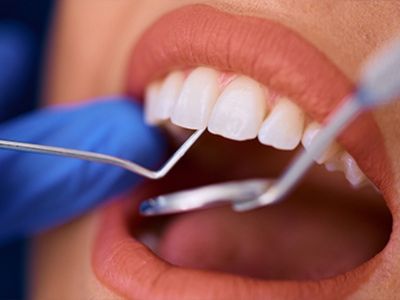
What is Tooth Translucency? What Causes It?
Teeth, an important part of our smile, can sometimes experience undesirable conditions. One of these conditions is the loss of transparency in teeth. Transparency can be an aesthetic problem and affect a person's smile. In this article, we will discuss what translucent teeth are, why they occur, and how to treat them.
Contents
What is Tooth Transparency?
Tooth translucency refers to an undesirable transparency or clarity observed on the surface of a tooth. This condition usually occurs at the tip of the tooth and can cause the tooth to appear different from its normal color. Translucency in teeth generally results from thinning or erosion of the enamel layer. Enamel is a hard layer that covers the outer surface of teeth and acts as their protective shield. However, when the enamel erodes or thins, the dentin layer underneath the teeth becomes more visible, resulting in transparency.
This condition can cause aesthetic concerns about a person's smile and sometimes even damage the health of the teeth. It can stem from various causes, but is generally associated with factors such as consuming acidic beverages, excessive brushing, or teeth grinding. Tooth transparency can negatively impact smile aesthetics and reduce self-confidence. Therefore, individuals experiencing tooth transparency often consult a dentist to explore appropriate treatment options.
What causes teeth to become transparent?
Tooth transparency can result from various factors and is usually caused by enamel erosion or thinning. Some common causes of tooth transparency are as follows:
- Enamel Wear and Erosion: Enamel is a hard layer that covers the outer surface of teeth and acts as their protective shield. However, the enamel can wear away or erode due to the effects of acidic substances, such as frequent consumption of acidic drinks, acidic foods, or acidic stomach contents. As a result of this wear or erosion, the surface of the teeth thins and becomes more transparent.
- Toothbrushing Habits: Excessive or incorrect brushing can damage and erode tooth enamel. Using a toothbrush with hard bristles or applying excessive pressure during brushing, in particular, can irritate and wear away the enamel. Correct tooth brushing techniques Stay tuned to our blog posts to learn more.
- Teeth grindingBruxism): Bruxism, or teeth grinding, is the involuntary clenching or grinding of teeth. This can cause friction and wear between the teeth, leading to thinning and transparency of the enamel.
- Genetic Factors: Some people are born with thinner enamel. Individuals with genetically thinner enamel may have an increased risk of teeth becoming translucent.
- Fluorosis: Excessive fluoride consumption can cause white spots or transparency to form on teeth. This is often associated with the use of toothpaste containing high levels of fluoride during childhood.
- Aging: With age, the enamel layer of teeth naturally thins and wears away. This can contribute to teeth becoming more transparent.
These factors that lead to tooth transparency can cause unwanted transparency or opacity on the surface of the teeth. Therefore, it is important for people experiencing tooth transparency to consult a dentist and explore appropriate treatment options.
 How to Treat Tooth Transparency?
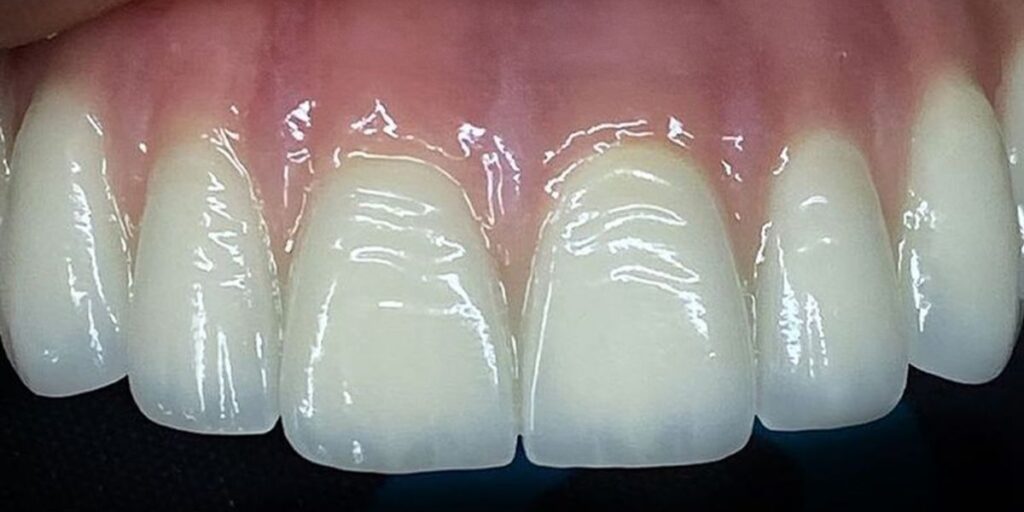 How to Treat Tooth Transparency?
Tooth transparency can be an aesthetic concern and may affect a person's smile. Fortunately, tooth transparency is treatable and can be corrected with various methods. Some common treatment options used to address tooth transparency are as follows:
- How to Use Enamel Protective Toothpaste: Enamel-protecting toothpastes can help strengthen your teeth and protect the enamel. These types of toothpastes contain ingredients that remineralize tooth enamel and prevent enamel erosion. Adding an enamel-protecting toothpaste to your daily dental care routine can help prevent tooth transparency and alleviate existing transparency.
- Dental Fillings or Crowns: Dental fillings or veneers can be used to treat transparency caused by enamel erosion. A dentist may use composite fillings or porcelain veneers to smooth the surface of the affected tooth and improve its aesthetic appearance. This method covers the transparent areas of the teeth and provides a more homogeneous look.
- Dental Prostheses (Veneers): If tooth transparency is more severe and other treatment options have been ineffective, dental prostheses Alternatively, veneers might be an option. Veneers are thin porcelain or composite coatings that are bonded to the front surface of the teeth to provide an aesthetically pleasing smile. Dental prostheses can be used to correct the color, shape, and size of teeth and can help address aesthetic issues caused by tooth transparency.
- Dental Reshaping: In cases of mild tooth transparency, tooth reshaping can be performed. The dentist can reduce the transparent areas by gently sanding and shaping the surface of the affected teeth. This method can help achieve an aesthetically pleasing smile while preserving the natural structure of the teeth.
Treatment for tooth transparency can vary depending on the underlying causes and individual needs. It's important for individuals to discuss appropriate treatment options with their dentist. With a professional evaluation, it's possible to overcome tooth transparency and achieve a healthy, aesthetically pleasing smile.
What are the consequences of tooth tips becoming transparent?
This situation can cause aesthetic concerns as well as some practical problems. The possible consequences of tooth tip transparency are generally as follows:
- Increased Sensitivity: Tooth sensitivity, also known as translucency, occurs as a result of thinning or erosion of the enamel layer. This condition can increase tooth sensitivity, especially when consuming hot, cold, or acidic foods.
- Increased Risk of Tooth Decay: Wear or thinning of the enamel layer can weaken the protective shield of teeth and increase the risk of cavities. Transparency of the tooth tips can make teeth more vulnerable to decay and wear.
- Aesthetic Issues: Translucency of the tooth tips can negatively affect smile aesthetics. Transparent tooth tips can create unevenness or color differences in the smile. This can affect a person's self-confidence and cause them to hide their smile.
- Wear and Fracture: Wear or thinning of the enamel layer can affect the structural integrity of teeth. As teeth become more transparent, the risk of wear and fracture increases. Tooth tips can be more severely damaged, especially with habits like chewing hard foods or teeth grinding.
- Functional Loss of Teeth: As the tips of the teeth become transparent, there may be a decrease in the functionality of the teeth. Tooth wear or fracture can affect the ability to properly chew and break down food.
For these reasons, it is important to consult a dentist if the tips of your teeth become transparent. A professional evaluation can help determine appropriate treatment options and preserve the health and aesthetics of your teeth.
You too can schedule an appointment with the expert dentists at İnci Diş to plan your treatment for teeth transparency problems.