




What is bruxism (teeth grinding)?
Bruxism, Teeth clenching, also known as teeth grinding, is a disorder that often occurs during stress, tension, or sleep, and involves the actions of clenching and grinding the teeth. In this article... teeth grinding disease You can find detailed information about it and access important information regarding treatment methods.
Contents
- What is bruxism (teeth grinding)?
- What are the causes of bruxism?
- What are the symptoms of bruxism?
- Causes of Bruxism in Children and Infants
- Causes of Teeth Grinding During Sleep
- What are the harms of teeth grinding?
- How is Bruxism (Teeth Grinding) Treated?
- Bruxism Exercises
- What happens if teeth grinding is not treated?
What is bruxism (teeth grinding)?
What is bruxism?, The question of teeth grinding can be answered as a condition defined as the unconscious act of clenching or grinding one's teeth. It is often caused by factors such as stress, tension, dreams during sleep, or abnormalities in the dental structure. This condition mostly occurs without the person being aware of it, and is particularly noticeable as teeth grinding during sleep.
Bruxism, the constant clenching and grinding of teeth, can lead to wear, cracking, and various other problems. In the long term, it can cause health problems such as jaw and headaches, sleep disorders, and gum problems. Bruxism is a condition that usually needs to be diagnosed and treated by dentists or specialists.
What are the causes of bruxism?
The underlying causes of bruxism can stem from a variety of factors and often involve a combination of effects. Causes of teeth grinding In general, it is as follows:
- Stress and Tension: In individuals under intense stress, the body often reacts in various ways. This can lead to tension in the jaw muscles and their involuntary clenching, which can trigger bruxism.
- Sleep Disorders: Teeth grinding during sleep is associated with other sleep disorders. Conditions such as sleep apnea, in particular, can increase the likelihood of bruxism occurring.
- Dental Anomalies: Defects or errors in the structure of the teeth can trigger bruxism. For example, misaligned teeth or abnormalities in the jaw structure can contribute to bruxism.
- Genetic Factors: Bruxism can be linked to genetic predisposition. Individuals with a family history of bruxism may be more likely to develop the condition.
- Psychological Factors: In some cases, psychological factors can affect bruxism. These factors may include depression, anxiety, or emotional problems.
- Dreams During Sleep: Some people may grind their teeth in their dreams while sleeping. This can lead to bruxism.
These factors reflect the complex etiology of bruxism, indicating that it can arise from a combination of various causes. A detailed assessment of factors such as an individual's lifestyle, overall health, and dental structure is crucial for understanding bruxism and developing an effective treatment plan.
What are the symptoms of bruxism?
Symptoms of bruxism It can often be difficult for a person to notice their teeth clenching or grinding, as these activities often occur unconsciously and usually during sleep. However, the presence of bruxism can be identified by the following symptoms:
- Tooth Wear and Cracks: Bruxism, the constant clenching or grinding of teeth, can lead to wear, flattening, and cracks in the teeth. Regular dental checkups are important to detect this condition.
- Headaches: Bruxism can cause overactivity of the jaw muscles, leading to tension headaches. These headaches are often felt in the temples or forehead.
- Jaw Pain: Bruxism can cause jaw pain due to the constant clenching of the jaw muscles. Experiencing jaw pain upon waking in the mornings can be a symptom of bruxism.
- Sleep Disorders: Teeth grinding, This can cause sleep interruptions and restlessness. This can affect the quality of sleep, leading to a person not feeling rested.
- Earaches: Bruxism can cause earaches due to the effect of the jaw muscles on the ear area. These pains are often associated with jaw movements.
If you experience one or more of these symptoms, it is important to consult a dentist for an evaluation of bruxism. These symptoms may require professional help to determine appropriate treatment and management strategies.
Causes of Bruxism in Children and Infants
Bruxism in children, Bruxism can have various causes and is often related to children's dental development. Below are possible causes of bruxism in children:
- Teething Process: During childhood, the teething process can frequently cause bruxism. Newly emerging teeth can put pressure on the jaw, leading children to clench or grind their teeth.
- Stress or Anxiety: Children, like adults, can experience stress or anxiety. Factors such as school, exams, and peer relationships can cause tension in children, leading to bruxism.
- Dreams During Sleep: Children exhibit various physical reactions during their dreams. This can manifest as unconscious teeth clenching or grinding.
- Genetic Factors: Children with a family history of bruxism are more likely to experience it. Genetic predisposition can influence a child's tendency to grind their teeth.
- Dental Anomalies: Abnormalities in tooth structure or problems in jaw development can be among the causes of bruxism in children.
- Painful Conditions: In children, bruxism can occur as a result of underlying health problems such as painful conditions or infections in the mouth.
Teeth grinding in childrenIt is important to seek help from specialists such as a pediatric dentist or child psychologist to evaluate and treat this condition. These professionals can assess the child's overall health, dental development, and emotional state to determine appropriate treatment strategies.
In children and infants teeth grinding treatment For this, you can contact the expert dentists at İnci Dental Clinic!
Causes of Teeth Grinding During Sleep
Teeth grinding during sleep Bruxism, or teeth grinding during sleep, can occur due to various reasons. Possible causes of teeth grinding during sleep are as follows:
- Stress and Tension: One of the most common causes of teeth grinding during sleep is stress and tension. Everyday stress can trigger this condition.
- Sleep Apnea: Sleep apnea is a condition in which breathing temporarily stops or slows down during sleep. This can lead to overactivity of the jaw muscles and teeth grinding.
- Dental Problems: Problems with the structure of the teeth, especially misaligned teeth or abnormalities in the jaw structure, can predispose to teeth grinding during sleep.
- Alcohol and Caffeine Consumption: Alcoholic beverages and caffeinated drinks can often increase the tendency to grind teeth during sleep. The stimulating effect of these substances can cause the jaw muscles to tense up.
- Genetic Factors: In individuals with a family history of bruxism, genetic factors may increase the likelihood of this condition occurring during sleep.
- Sleeping Position: In some cases, certain sleeping positions can affect teeth grinding during sleep. Sleeping on your back, in particular, can increase pressure on the jaw muscles.
- Dreams During Sleep: Dreams that occur during sleep, or subconscious stress, can trigger teeth grinding.
The underlying causes of teeth grinding during sleep can be complex. If you experience this, it's important to consult a dentist or sleep specialist for a thorough evaluation and information on appropriate treatment options.
 What are the harms of teeth grinding?
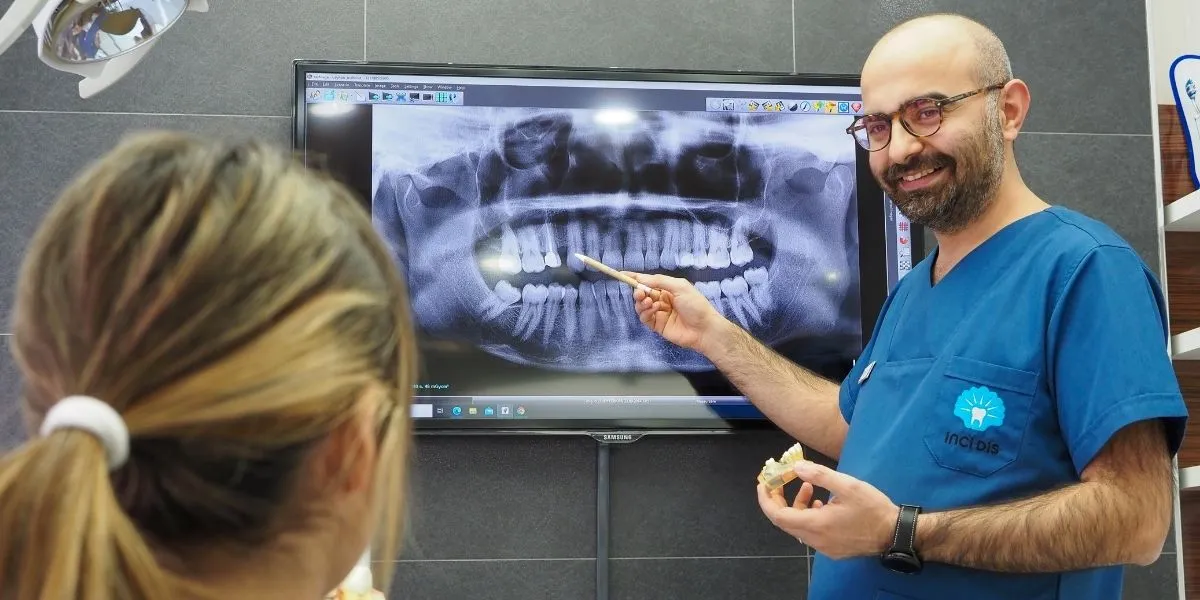 What are the harms of teeth grinding?
Teeth grinding can have many long-term harmful effects and lead to various health problems. Potential harms of teeth grinding are as follows:
Tooth Wear and Cracks: Constant teeth grinding can cause wear on the surface of the teeth. This can lead to irregularities, cracking, and even tooth loss.
Jaw Pain and Headaches: Teeth grinding can cause jaw muscles to overwork, leading to jaw pain and tension headaches.
Sleep Disorders: Because teeth grinding often occurs during sleep, it can affect a person's sleep. Sleep disturbances can lead to fatigue and daytime sleepiness.
Tooth Sensitivity: Teeth grinding can cause tooth wear and tear, leading to tooth sensitivity. This can manifest as increased sensitivity to hot or cold foods.
Temporomandibular Joint Disorders: Constantly clenching the jaw muscles can lead to temporomandibular joint (TMJ) problems. This can cause issues such as pain, clicking, or locking during jaw movement.
Fatigue After Waking Up: Teeth grinding can cause insomnia or sleep disorders. This can also lead to feeling tired even when a person is awake.
Gum Problems: Teeth grinding can contribute to gum recession and periodontal disease. Gum problems can progress to tooth loss.
Audible Teeth Grinding: In extreme cases, teeth grinding can become audible. This can disrupt sleep patterns between spouses or family members.
These symptoms indicate that teeth grinding is a serious problem that should not be ignored. It is important to seek professional help from a dentist when symptoms of teeth grinding are noticed.
How is Bruxism (Teeth Grinding) Treated?
Bruxism treatment, Treatment should be personalized, taking into account the severity and causes of the individual's symptoms. How to treat bruxism, Some of the methods used to answer this question are as follows:
- Bruxism ApparatusOne of the most commonly used treatment methods is the use of special bruxism appliances. Splints or jaw guards worn at night can help reduce teeth clenching and grinding. These appliances ensure that the teeth are properly aligned and that the jaw muscles are relaxed.
- Exercises: Physical therapy and jaw exercises can be used to strengthen and relax the jaw muscles. Exercises guided by a specialist can help control bruxism.
- Stress Management: Stress is one of the most common triggers of bruxism. Stress management techniques, learned stress coping strategies, or methods like meditation can help reduce bruxism.
- Tooth Surface Restoration: To correct wear caused by teeth grinding, a dentist can perform restorative procedures. These procedures aim to restore the smooth surfaces of the teeth.
- Botox Injections: In some cases, Botox injections may be given to the jaw muscles. This can temporarily paralyze the jaw muscles, reducing the tendency to clench them.
- Changing Sleep Habits: Modifying sleep position and habits can help reduce bruxism. For example, sleeping positions like sleeping on your side or on your back can alleviate bruxism symptoms.
- Pharmacotherapy: Especially in severe cases of bruxism, doctors may recommend medication. Muscle relaxants or antidepressants can help control the symptoms of bruxism.
Because each individual's situation is different, the treatment plan should generally be tailored to individual needs and symptoms. Therefore, it is important for individuals who suspect they have bruxism to consult a dentist or specialist. Teeth grinding solutions You can quickly schedule an appointment with the expert dentists at İnci Dental Clinic.
Bruxism Exercises
Bruxism exercises help relax the jaw muscles, reduce tension, and teeth grinding or they can help control grinding actions. However, it is important to consult a professional before performing these exercises, as each individual's situation is different and incorrect exercises can worsen the condition. Some generally recommended ones are: bruxism exercises It is as follows:
- Heat Treatment:
Apply gentle heat to the area around your jaw using a warm water bottle or a warm towel. This can help relax the jaw muscles.
- Massage:
Gently massage the area around your jaw with your fingers. Massaging in circular motions can help relax the muscles.
- Mouth Opening and Closing Exercise:
Slowly open and close your mouth. Try to control your jaw muscles with each opening and closing. This exercise can help improve jaw control.
- Bringing your tongue into contact with your upper palate:
Gently press your tongue against the roof of your mouth and hold this position for a few seconds. This can help relax your jaw muscles.
- Slow Chewing Exercise:
Chewing food slowly can help your jaw muscles work more controllably and relax.
- Yoga and Meditation:
Relaxing activities like yoga and meditation can alleviate bruxism by reducing stress.
- Jaw Range of Motion Exercises:
Try to increase your jaw range of motion by slowly moving your jaw from side to side and up and down.
Doing these exercises regularly can increase the flexibility of your jaw muscles and constant teeth grinding It can alleviate your symptoms. However, if you experience any pain or discomfort, it's important to stop exercising and consult a specialist.
What happens if teeth grinding is not treated?
If teeth grinding is left untreated, it can lead to various health problems in the long term. Potential problems that may arise when teeth grinding is left untreated are as follows:
- Tooth Wear and Cracks: Chronic teeth grinding can lead to tooth wear and cracking. This can significantly reduce the functionality and durability of teeth.
- Jaw Pain and Headaches: Teeth grinding can cause the jaw muscles to work constantly. This can lead to jaw pain and tension headaches.
- Sleep Disorders: Teeth grinding often occurs during sleep, which can affect a person's sleep. Sleep disorders can lead to problems such as daytime fatigue and decreased performance.
- Tooth Sensitivity: Teeth grinding can lead to wear on the surface of the teeth, and therefore to tooth sensitivity. Increased sensitivity to hot or cold drinks is a common symptom.
- Temporomandibular Joint (TMJ) Problems: Constantly clenching the jaw muscles can lead to temporomandibular joint (TMJ) problems. This can cause symptoms such as jaw pain, clicking, or jaw locking.
- Tooth Loss: Excessive teeth grinding can cause wear, cracking, and decay in teeth, which in advanced stages can lead to tooth loss.
- Psychological Effects: Teeth grinding can affect a person's overall quality of life. Problems such as headaches, sleep disturbances, and dental problems can negatively impact a person's psychological well-being.
For these reasons, it is important to consult a dentist when you notice any signs of teeth grinding. A professional evaluation can help determine the appropriate treatment plan and prevent potential complications.