



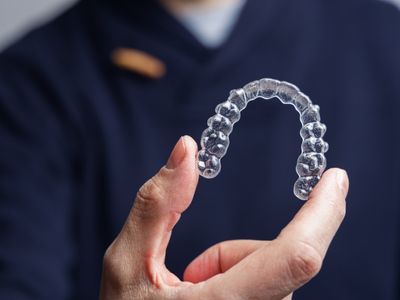
Frequently Asked Questions About Attachments Used in Clear Aligner Treatments
Orthodontic treatments have undergone significant changes in recent years thanks to advancements in technology. Clear aligners, developed as an alternative to traditional braces, have become a very attractive option for patients with aesthetic concerns. The comfort offered by this method increases interest in the treatment process. However, in cases where clear aligners alone are not sufficient, some supporting elements are needed. Small auxiliary structures are required to help the aligners move the teeth more controllably. Clear plate attachment These structures, known as [names omitted], increase the success rate of the treatment and offer a more stable process.
Orthodontic aligners, which offer invisible orthodontic treatment, can have difficulty moving some teeth. To overcome this, specially designed small composite pieces are added to the tooth surface to help guide the movement. This makes even more complex tooth movements possible. Clear plate attachment It makes a big difference, especially in root movements or rotation operations.
Contents
- What are attachments in clear aligner treatment and what is their purpose?
- The Effect of Orthodontic Attachments on Tooth Movement
- Attachment Use in Invisalign and Other Clear Aligner Treatments
- What to do if an attachment falls off?
- The Effects of Attachments on Dental Health
- What is Periodontal Attachment and its Importance in Dentistry?
What are attachments in clear aligner treatment and what is their purpose?
Among the auxiliary elements used in orthodontic treatment What is an attachment? (dental) The question of which aligners are most frequently asked by patients using them is: What are the attachments? Attachments are small additions that are bonded to the tooth surface and help the aligners move teeth more effectively. These additions, which blend in with the natural structure of the tooth, increase the speed of treatment. Because their color is close to natural enamel, they are not very noticeable from the outside.
Sometimes, moving teeth in the desired direction cannot be achieved solely through the power of clear aligners. In this case... the function of attachments This is where it comes in. These small supports, added to specific teeth, make it easier for the aligners to rotate or move the teeth along a particular axis by providing greater grip. They prevent the aligners from slipping and ensure a snug fit on the tooth. This helps ensure that each movement occurs as planned.
During the treatment process, the orthodontist decides which teeth require attachments based on the patient's dental structure. While some patients may have attachments on only a few teeth, in other cases, more teeth may be required. The importance of attachments The goal is to ensure that tooth movements progress in a more controlled and stable manner. These small supports must be correctly positioned so that the aligners can apply the targeted pressure. With proper planning, the treatment process is more effective.
The Effect of Orthodontic Attachments on Tooth Movement
Tooth movement is one of the most important elements of orthodontic treatment. Orthodontic attachments This ensures that these movements occur in a controlled and predictable manner. By preventing teeth from moving in the wrong direction, it helps them reach the desired position more quickly. The use of attachments offers a significant advantage, especially in challenging dental cases.
Some tooth movements, especially operations such as rotation and axis shifting, can take a very long time when performed without attachments. The effect of attachments on tooth movement. This is where they come into play, speeding up the treatment process. Thanks to these small supports, the aligners can guide the teeth more effectively. The shape and size of the attachments are specifically determined depending on the direction of tooth movement.
One of the important roles of attachments is to ensure that the clear aligners fit the patient perfectly. These small attachments, applied to specific parts of the teeth, prevent the aligners from slipping, creating a more effective grip. This ensures that the treatment is completed within the expected time. The precise fit of the aligners to the teeth allows for controlled movement.
Attachment Use in Invisalign and Other Clear Aligner Treatments
Different brands and systems are used in clear aligner treatments. Invisalign attachment This is one of the best-known methods and is applied using aligners specifically designed for the patient's dental structure. The aligners are strategically placed to ensure more effective results. The number and location of the attachments are determined according to the treatment process.
One of the most common questions patients face during treatment is whether the attachments are noticeable in daily life. Invisalign and other clear aligner systems offer a very natural look because the attachments are made with materials that match the tooth color. They do not cause discomfort during daily speech or eating. However, it is recommended to avoid hard foods.
Attachments directly affect the success of treatment because they increase the effectiveness of the aligners. In systems like Invisalign, some tooth movements are only possible with attachments. The placement of the attachments is determined by digital orthodontic planning. Because it is planned specifically for each patient, it ensures effective results.
Attachments can be damaged if patients do not use their aligners regularly or if they do not pay attention to dental hygiene. If the aligners do not fit properly, intervention by an orthodontist may be necessary. Invisalign attachment crashed. In such cases, it is necessary to consult a specialist as soon as possible. Missing attachments can make it difficult for the teeth to reach the desired position. Therefore, it is important not to miss check-ups throughout the treatment.
What to do if an attachment falls off?
Even though the attachments are securely attached, they still carry a risk of falling off over time. Clear plate attachment fall off This can occur especially with the consumption of hard foods or a lack of attention to oral hygiene. In some cases, incorrect removal of the retainer can also cause the attachment to fall off. When the attachment falls off, the direction of tooth movement may change.
If an attachment falls off, you should contact your orthodontist as soon as possible. A missing attachment can disrupt the treatment process and prevent proper tooth movement. A falling attachment can also affect the fit of the aligners and prolong the treatment. Prompt intervention will not harm the treatment process.
Careful use of dental aligners can extend their lifespan. Avoiding hard and sticky foods, brushing regularly, and replacing aligners on time are important. Maintaining good hygiene habits is crucial for preserving dental aligners. Regular cleaning supports healthy teeth.
 The Effects of Attachments on Dental Health
 The Effects of Attachments on Dental Health
While attachments are an integral part of orthodontic treatment, their impact on dental health should not be overlooked. These small supports added to the tooth surface can lead to plaque buildup if not properly cared for. If oral hygiene is neglected, bacterial accumulation around the attachments can increase the risk of cavities. These additions, which speed up the treatment process by ensuring proper plaque placement, are also important for gum health. Incorrectly placed or improperly cared-for attachments can cause gum irritation. Therefore, regular dental cleanings and check-ups with the dentist should not be neglected.
- It can increase plaque and tartar buildup on the tooth surface.
- If incorrectly positioned, it can cause gum sensitivity.
- Neglecting oral hygiene can lead to tooth decay.
- Prolonged use with aligners can cause erosion of tooth enamel.
The negative effects of orthodontic attachments on dental health can be minimized with regular care and proper use. Keeping the trays clean, maintaining consistent brushing habits, and regular check-ups ensure a smooth treatment process. Attachments, when applied and monitored by a qualified orthodontist, contribute to the treatment as a supportive element for dental health.
What is Periodontal Attachment and its Importance in Dentistry?
Periodontal health is crucial for the longevity of teeth. What is periodontal attachment? The question of periodontal health is a crucial one, especially for those concerned with gum disease. These structures, located between the gum and the tooth root and connecting the tooth to the jawbone, are fundamental to oral health. A healthy periodontal attachment ensures the stability of teeth and distributes force evenly during chewing. When gums recede or periodontal attachment is lost, serious problems such as loosening and loss of teeth can occur. Therefore, maintaining periodontal health is among the most important issues in dentistry.
When gum disease progresses, periodontal attachment loss may become inevitable. What is periodontal attachment in dentistry? From this perspective, attachment structures can be defined as the structures that provide attachment to the root surface of the tooth. These structures, which integrate with periodontal ligaments and the jawbone, enable the support of the teeth. If these ligaments are damaged, gum recession and bone loss occur. If this condition progresses, the risk of tooth loss increases. Attachment loss detected early can be controlled with various treatment methods.
During orthodontic treatment, attention must be paid to the health of periodontal attachments. Attachments and plaque can put extra pressure on the gums, which can lead to gum sensitivity over time. If oral hygiene is not maintained properly, gum inflammation may occur. What is an attachment in medicine? From this perspective, gums not only facilitate tooth movement but also play a crucial role in maintaining periodontal health. Gum health should be closely monitored through regular checkups with a dentist, and any potential problems should be addressed early.
For detailed information about clear aligner treatment and to find the best orthodontic solutions, you can contact İnci Dental.