



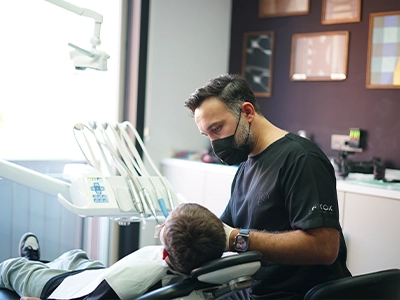
Orthodontic Treatment Retainer Wire
In order to maintain the corrected tooth structure achieved after orthodontic treatment in the long term, minimize unwanted changes, and sustain the achieved correction, patients need to have regular check-ups. Retainer Wire Their use is of great importance.
This specialized appliance is designed to prevent teeth from returning to their original positions, supporting the adaptation of the jawbone and gum tissue, and ensuring the permanence of orthodontic treatment results. Regular use of the Retainer Wire plays a critical role for patients in maintaining the proper tooth alignment and alignment achieved after treatment. Therefore, using this specialized appliance correctly is an important step in maintaining a healthy oral structure after orthodontic treatment.
Contents
- What conditions can cause tooth misalignment after orthodontic treatment?
- Why is retainer wire important?
- Retainer Wire Manufacturing Process
- Treatment Methods Used in Reinforcement Therapy
- What is a Retainer Appliance?
- Prices of Retainer Appliances
- Why is Retainer Wire Treatment Needed?
- Retainer Wire Fracture and Dislocation During Reinforcement Therapy
- How long is retention therapy (retainer wire) used?
What conditions can cause tooth misalignment after orthodontic treatment?
Used regularly after orthodontic treatment to prevent teeth from returning to their original positions. wire placed behind the tooth (Retainer wire) prevents various situations from occurring. Tooth Retainer What factors can cause tooth decay if teeth are not braced?
To maintain the corrected dental structure achieved after orthodontic treatment in the long term, it is important for patients to avoid certain situations. These situations require conscious behavior to minimize potential problems that may arise after treatment.
- Consumption of very hard or sticky foods
- Teeth grinding habits
- Neglecting regular brushing and flossing
- Not wearing a mouthguard (for example, while playing sports)
In addition to these factors, it should be remembered that retainer wires that are not used regularly or are of low quality can also lead to tooth decay.
Why is retainer wire important?
One of the key elements in maintaining the corrected tooth structure achieved after orthodontic treatment in the long term is the correct and regular use of Retainer Wires. The importance of Retainer Wires is based on a number of critical factors:
- Stabilizing the Correction: Retainer wires help to stabilize the correction achieved after orthodontic treatment by holding the teeth in their new alignment. By preventing the teeth from shifting back to their old positions, they preserve the successful results of the treatment process in the long term.
- Supporting Jawbone and Gum Adaptation: Retainer wires help the jawbones and gum tissue adapt to the changes made after orthodontic treatment. This ensures not only aesthetic correction of the teeth but also healthy adaptation of the surrounding tissues.
- Increasing Durability Through Regular Use: Regular use of the Retainer Wire minimizes the risk of teeth returning to their original positions during the critical post-treatment period. Patients' consistent use of the Retainer Wire for the duration determined by their orthodontist increases the longevity of the treatment process.
- Maintaining Balance Between Teeth: Retainer wires maintain the alignment and balance between teeth. This evens out the pressure on the jaw and jaw joints and helps maintain the long-term health of oral structures.
- Functional Aesthetics: Retainer braces are also important from an aesthetic point of view. Keeping the teeth neat and aligned helps the patient achieve a more beautiful and aesthetically pleasing appearance when smiling and speaking.
- Personalized Design: The Retainer Wire is custom-designed to fit each patient's oral structure. This personalized design ensures maximum comfort and enhances the effectiveness of the Retainer Wire.
Another important aspect of Retainer Wire is that, when used in conjunction with other retention treatments, it offers a comprehensive solution for preserving dental health and aesthetics. Therefore, Retainer Wire is a critical appliance that guarantees successful results obtained after orthodontic treatment in the long term.
Retainer Wire Manufacturing Process
Retainer wires are custom-made to suit the patient's specific needs and dental structure. The manufacturing process for this custom appliance includes the following steps:
- Initial Assessment and Planning:
In the first stage, the orthodontist thoroughly evaluates the patient's oral structure. The type of retainer wire is determined by considering the final position of the teeth, jaw structure, and overall oral health.
- Taking Measurements:
Precise impressions are taken of the patient's dental structures using custom-made impression material. These impressions are sent to the laboratory and provide the basic information for the production of the Retainer Wire.
- Laboratory Production:
In the laboratory, the retainer wire is custom-made based on the patient's measurements. Titanium, steel, or similar durable materials are typically used in this process. The wire's shape is bent and designed to fit the patient's teeth.
- Personalization:
Retainer wires are customized to perfectly fit the patient's dental structure. By providing appropriate alignment and bending for each tooth, user comfort and efficiency are maximized.
- Assembly and Adjustments:
The manufactured retainer wire is placed in the patient's mouth. At this stage, the orthodontist makes the necessary adjustments and checks whether the wire is correctly positioned. This stage is critical for the patient's comfort and effectiveness.
- Training and Maintenance Instructions:
The patient receives training on the proper use of the Retainer Wire. Detailed instructions are also provided regarding the cleaning and maintenance of the Retainer Wire. It is important for the patient to follow these instructions to maintain the effectiveness of the appliance.
Upon completion of these stages, the Retainer Wire, manufactured to meet the patient's specific needs, begins its task of maintaining the correction achieved after orthodontic treatment in the long term. Regular check-ups and consistent use of the Retainer Wire for the prescribed duration are crucial for sustaining the successful results of the treatment.
Treatment Methods Used in Reinforcement Therapy
Retention therapy encompasses various treatment methods used to maintain the straight tooth structure achieved after orthodontic treatment in the long term. These methods are determined based on the patient's needs and the requirements of the treatment. The main treatment methods used in retention therapy are as follows:
- Retainer Wire:
Retainer wires are one of the most commonly used methods in retention therapy. These special wires help maintain the correction achieved after orthodontic treatment. They are typically used at night or for specific periods to keep the teeth in a fixed position. Retainer wires stabilize orthodontic correction by maintaining the correct alignment of the teeth.
- Night Records:
Night guards are clear plastic appliances, often used in conjunction with retainer wires. These guards help maintain the position of teeth, especially when worn overnight. Their transparent and comfortable design offers an aesthetically pleasing option.
- Back of the Tongue Wires:
Behind-the-tongue braces are wires placed behind the teeth. This method helps align the teeth without any visible wires on the front surface. It is a preferred reinforcement treatment method, especially for patients with aesthetic concerns.
- Transparent Retainer Plates:
Transparent retainer These aligners can be used as an alternative to retainer wires. Made from specially designed clear plastic, they are typically worn during the day. They cater to patients with aesthetic concerns and help maintain tooth alignment.
- Reinforcement Therapy Follow-up Visits:
The orthodontist schedules follow-up visits to monitor the patient's retention process. During these visits, the suitability of the appliance is assessed, adjustments are made if necessary, and the patient's compliance with the treatment is observed.
- Apparatus and Tool Inspection:
Regular checks of the appliances used in retention therapy are important. During these checks, the orthodontist ensures that the appliances are working correctly and can make adjustments if necessary.
Retention treatment methods offer various options aimed at preserving the patient's original tooth structure. These methods ensure the permanence of the correction achieved after orthodontic treatment, guaranteeing the patient's long-term oral health. Treatment methods are determined based on the patient's individual needs and the orthodontist's recommendations.
What is a Retainer Appliance?
A retention appliance, or "Retainer" as it is popularly known, is a special dental appliance used to ensure the long-term preservation of the corrected tooth structure achieved after orthodontic treatment. This appliance helps prevent unwanted changes and shifting of the teeth by maintaining their post-treatment positions.
Main Functions of a Retainer:
- Fixing the Correction: Retainers help maintain the alignment of teeth after orthodontic treatment, thus stabilizing the correction made.
- Supporting Jawbone and Gum Adaptation: In addition to addressing changes to the teeth, Retainer also helps the jawbone and gum tissue adapt to post-treatment corrections.
- Ensuring Harmony and Balance Between Teeth: Retainers help maintain the oral structure by preserving the alignment between teeth and balancing pressure on the jaw and jaw joints.
- Aesthetic and Functional Health: Retainers not only maintain the correct positioning of teeth, but also support functional and aesthetic health by sustaining an aesthetically pleasing smile.
Types of Retainers:
- Removable Retainer (Clear Plate): These are clear plastic aligners generally designed for nighttime use. They may be a preferred choice for patients with aesthetic concerns.
- Fixed Retainer (Wire): It is a thin wire that is placed behind the teeth. It is usually placed behind the upper and lower front teeth and is worn continuously.
Retainer Usage Period:
The duration of retainer use can vary depending on the patient's original dental problems, the treatment process, and the orthodontist's recommendations. Generally, regular use for a specific period determined by the orthodontist is recommended. At the end of this period, the orthodontist will assess whether retainer use should be continued during scheduled follow-up appointments.
Retainers, which are retention appliances, play a critical role in ensuring the long-term improvement achieved after successful orthodontic treatment. Patients attending regular follow-up appointments after treatment and using their retainers as directed by their orthodontist helps them maintain a healthy oral structure.
 Prices of Retainer Appliances
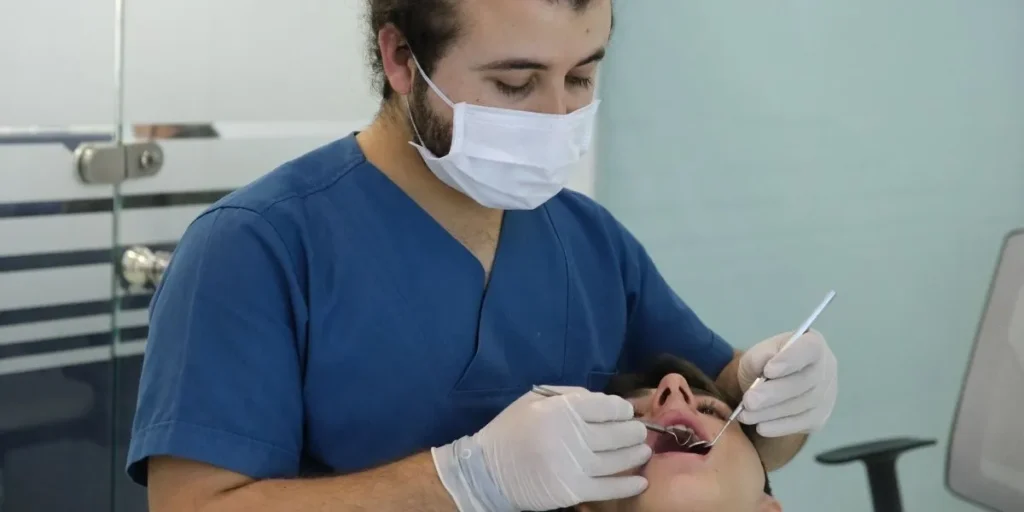 Prices of Retainer Appliances
Retainer devices can be manufactured in different types and materials. Therefore, what factors affect the price of retainer devices?
The prices of retention appliances can vary depending on the materials used, the type of appliance, the level of customization, and the orthodontist's pricing policy. In general, more complex and custom-designed appliances may have higher prices.
You can contact the expert dentists at İnci Dental to get information about exact prices.
Why is Retainer Wire Treatment Needed?
After orthodontic treatment, retention therapy, particularly the use of retainer wires, is needed to maintain the new positions of the teeth in the long term and prevent unwanted changes. The main reasons for this need are as follows:
- Tendency of Teeth to Move:
Orthodontic treatment, performed to provide orthopedic correction, brings teeth into a specific order and alignment. However, teeth naturally tend to move over time. Retention treatment keeps this tendency under control, preventing teeth from shifting undesirably.
- Supporting Jawbone and Gum Adaptation:
During orthodontic treatment, the jawbone and gum tissue also undergo changes. Retention therapy helps these tissues better adapt to the new tooth positions. This is important for maintaining the long-term effectiveness of the treatment.
- Ensuring Harmony and Balance Between Teeth:
Retention therapy balances the pressure on the temporomandibular joints by maintaining the alignment between the teeth and a balanced jaw structure. This helps maintain the health and function of the oral structures.
- Supporting Aesthetic and Functional Health:
Regular use of retainer wires helps maintain the correct positioning of teeth, resulting in an aesthetically pleasing smile. At the same time, maintaining the alignment between teeth supports the healthy continuation of functions such as speech and chewing.
- Ensuring the Lasting Effect of Treatment:
Retention therapy ensures that the correction achieved after orthodontic treatment is maintained in the long term. Regular use is essential to sustain successful treatment results, preventing unwanted tooth shifting and increasing permanence.
- Protection Against Habits and Teeth Grinding:
Some patients may be affected by habits such as teeth clenching or grinding. Retainer wire minimizes the negative effects caused by such habits and helps protect teeth.
The need for retention treatment arises to maintain the long-term health of the improvement achieved after treatment and to prevent unwanted changes. Therefore, regular use of retainer wires as recommended by the orthodontist is a critical factor in ensuring the completion and permanence of successful orthodontic treatment.
Retainer Wire Fracture and Dislocation During Reinforcement Therapy
During reinforcement therapy, Retainer wire breakage or a situation where it might occur is encountered. What should be done when these situations are encountered?
Retainer wire breakage If retained wires appear or detach, it is important to contact an orthodontist immediately. This is an urgent situation because, without professional intervention, the teeth may return to their original positions if left uncorrected. The orthodontist will assess the situation and, if necessary, apply a new retainer wire or repair the existing one.
How long is retention therapy (retainer wire) used?
Retention therapy should be applied regularly for a specific period after orthodontic treatment. How long should retainer wires be used and how is this duration determined?
The duration of retention treatment varies depending on the individual's post-treatment dental and bone structure, as well as their overall oral health. Generally, if retention is not used regularly for the period determined by the orthodontist, the risk of teeth returning to their original positions increases.
The duration of retention treatment is individual, and regular use for the period determined by the orthodontist is critical to maintaining the achieved correction in the long term.