




Composite Laminate Treatment (Composite Laminate Veneer)
Composite veneer treatment is a dental treatment performed to improve the aesthetic appearance of teeth. In this procedure, a special composite filling material is applied to the front surface of the teeth, making them look more aesthetically pleasing. It is a preferred method, especially for correcting minor problems in tooth color, shape, size, or alignment. It is among the minimally invasive procedures in dentistry, meaning that the tooth is interfered with as little as possible.
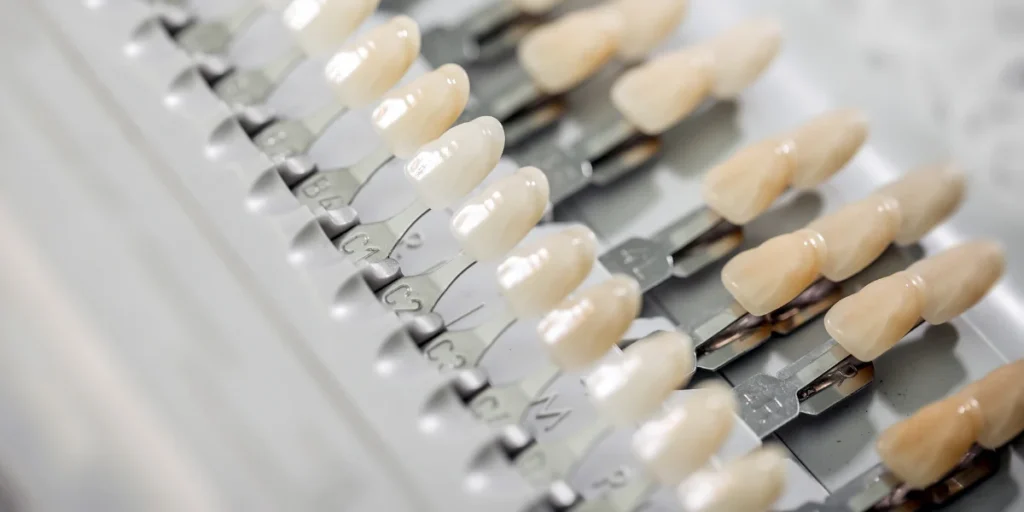
The primary goal of this treatment is to achieve a more even, whiter, and more harmonious smile while preserving the person's natural tooth structure as much as possible. During the procedure, special light-curing composite materials are applied to the front surface of the teeth. The dentist carefully shapes this material to create an aesthetically pleasing appearance that matches the natural form of the tooth, resulting in more symmetrical, healthier, and more aesthetically pleasing teeth.
Composite veneer treatment can be applied to many aesthetic dental problems, especially to close discoloration and yellowing of teeth, gaps between teeth (diastema), repair broken or cracked teeth, cases where teeth are smaller than normal, deformities in teeth, concealing mild crowding, and when an aesthetic smile design is desired. It is a frequently preferred method and provides a very effective solution for minor aesthetic problems that do not require orthodontic treatment.
Composite laminate treatment is generally a procedure that can be completed quickly, often in a single session, although the treatment process consists of several stages.
The first stage involves examination and planning. During this phase, the dentist thoroughly evaluates the patient's oral and dental structure, examining the color and alignment of teeth, gum health, and smile line. The patient's expectations are also listened to, and the desired aesthetic outcome is planned. In some cases, photographs may be taken to create a smile design plan.
In the second stage, the tooth surface is prepared for application. In composite laminate applications, in most cases, no abrasion is done on the tooth surface, or only a very minimal roughening is performed. This process is done to ensure better adhesion of the composite material to the tooth. Then, the tooth surface is cleaned with special solutions and made ready for application.
In the third stage, acid etching and bonding are performed. A special gel is applied to the tooth surface to slightly roughen it. This process ensures a stronger bond of the composite material to the tooth surface. Then, an adhesive substance called bonding is applied and hardened using a special light device.
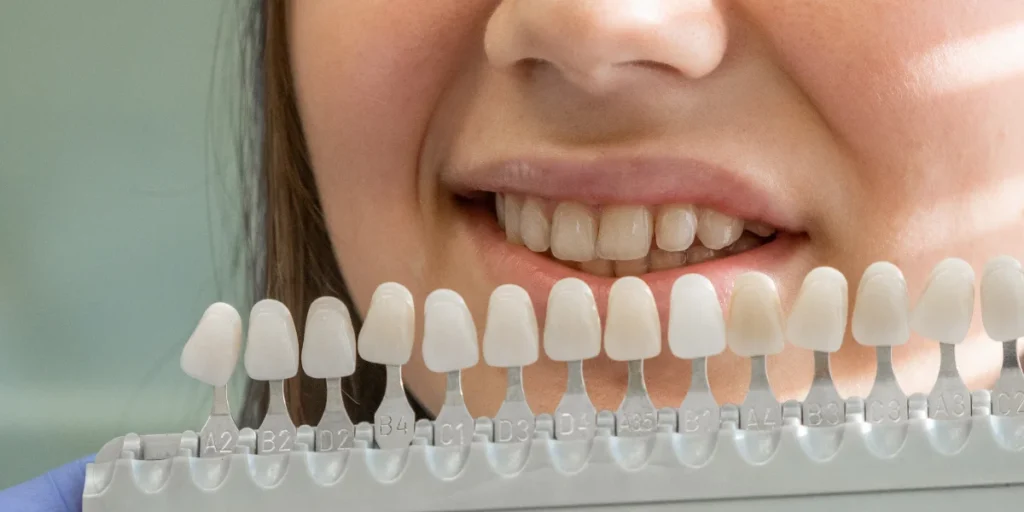
In the fourth stage, composite material is applied to the front surface of the tooth. The dentist places the composite material in layers, and each layer is hardened with a special light-curing device. During this process, the dentist carefully shapes the material to mimic the tooth's natural anatomy, resulting in a smoother, more aesthetic, and more harmonious appearance.
In the final stage, shaping and polishing are performed. After the composite application is complete, the tooth surface takes its final shape with the help of special burs and discs, followed by polishing. Thanks to polishing, the tooth surface gains a brighter, smoother appearance, very close to that of a natural tooth.
Composite veneer treatment has many advantages, the most important of which is that the procedure can often be completed in a single session. Removing very little or no tooth structure preserves the tooth tissue. It is also less expensive than porcelain veneers, can be easily repaired if breakage or damage occurs, provides an aesthetic appearance very close to natural teeth, and is often a painless procedure, therefore anesthesia is usually not needed.
However, composite veneers may also have some disadvantages; color changes may occur over time, their durability is slightly lower than porcelain veneers, and there is a risk of breakage if very hard foods are consumed. Regular maintenance is also required to maintain their shine and aesthetic appearance.
The lifespan of composite veneers generally ranges from 4 to 8 years, but this can vary depending on an individual's oral hygiene, teeth grinding habits, and dietary habits. Regular dental checkups and good oral hygiene can extend this period.
To ensure the veneers remain healthy for a long time after treatment, certain precautions should be taken: avoiding breaking hard foods with your teeth, quitting habits like nail biting or pen chewing, brushing and flossing regularly, reducing coffee, tea, and cigarette consumption as much as possible, and having regular check-ups with your dentist will help extend the life of this treatment.
In conclusion, composite veneer treatment is one of the modern treatment methods in aesthetic dentistry that quickly and effectively improves the appearance of teeth. It makes the color, shape, and alignment of teeth more aesthetically pleasing while preserving a large part of the natural tooth tissue. Because the application is completed quickly, its cost is more affordable compared to other aesthetic treatments, and it can be easily repaired if necessary, it is a frequently preferred method among aesthetic dental treatments.
Since it's a smile design, it's custom-made. You will need to have an examination to get an accurate price quote.