



Types and Uses of Porcelain Veneers
Our smile is one of the most beautiful ways to express ourselves. However, for those who have lost teeth, this form of expression can become more difficult over time. Fortunately, thanks to modern dentistry, dentures offer an effective solution to replace lost teeth and restore a natural smile.
Contents
The Use and Benefits of Dentures
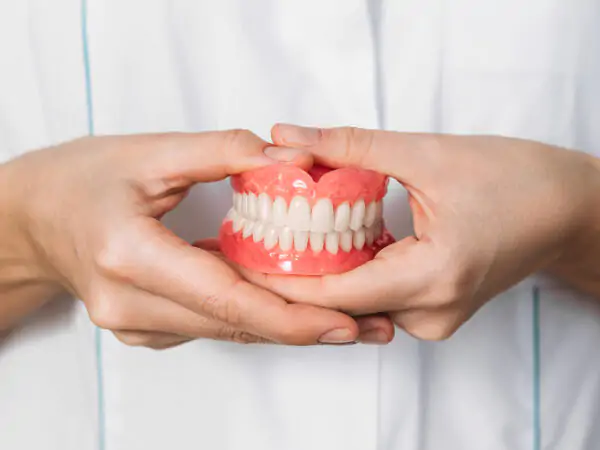
Dentures are artificial teeth designed to replace missing teeth. They offer both aesthetic and functional advantages.
Aesthetic Appearance: Dentures replace lost teeth, restoring your smile. This boosts your self-confidence and has a positive impact on your social relationships.
Speech Ability: Missing teeth can negatively affect speech ability. Dentures make it easier to speak correctly, strengthening your communication skills.
Food Function: Missing teeth can make chewing and digesting difficult. Dentures support proper chewing function and improve your eating habits.
Application and Use of Complete Dentures
Complete dentures are prosthetic devices used to replace all of the upper or lower teeth. After a qualified dentist takes measurements and prepares them to fit your mouth structure, complete dentures are placed in your mouth. An initial adjustment period may be necessary, but they will adapt to your mouth structure over time.
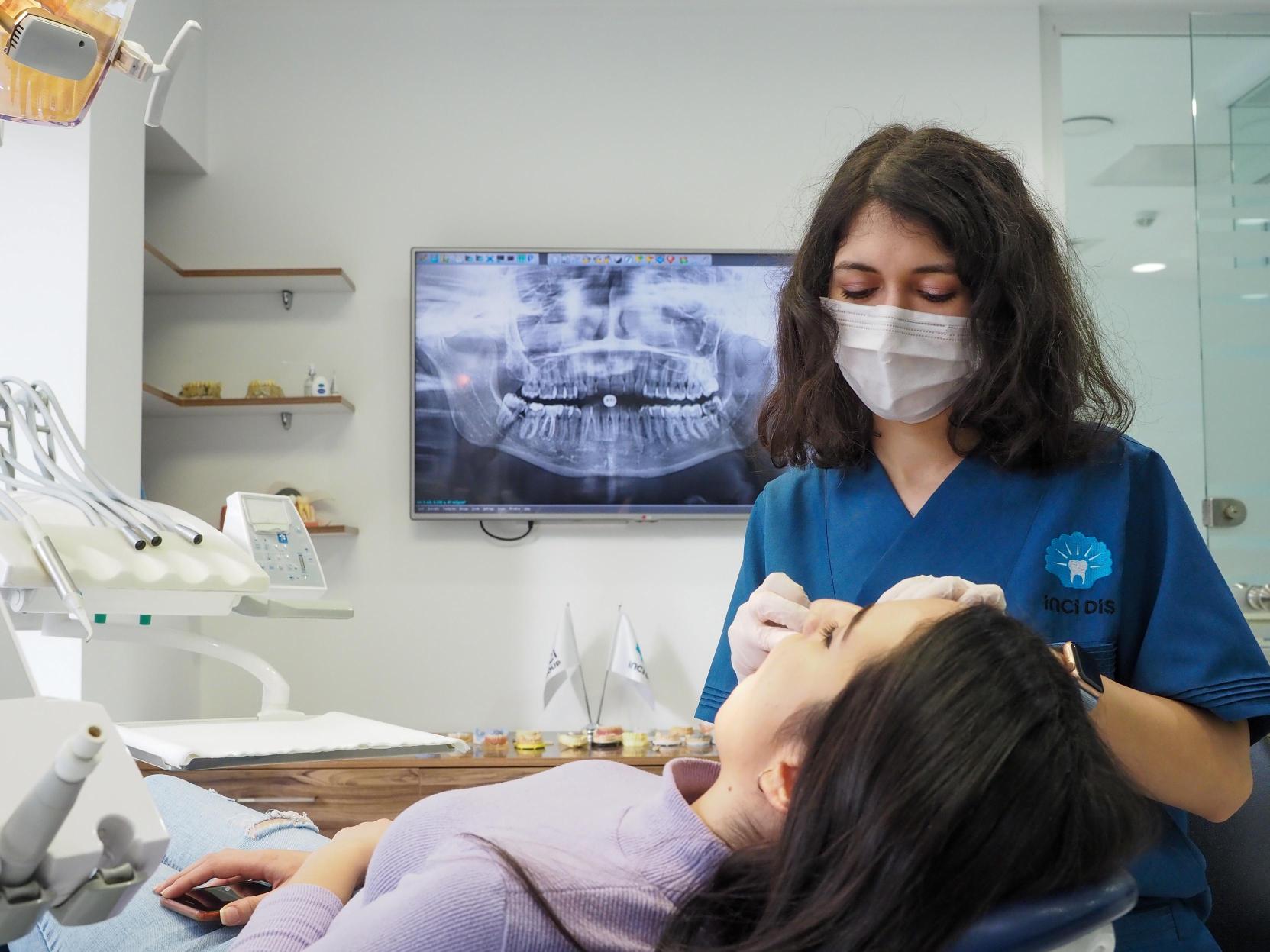
Inspection and Evaluation: The dentist evaluates the patient's oral structure, examines their jaw structure, and, after understanding their needs, develops a suitable treatment plan.
Measurement Taking: Intraoral measurements are taken to help design the prosthesis to fit the oral structure. These measurements include details of the upper and lower jaw structures.
Color and Shape Selection: The artificial teeth used in the prosthesis are selected to match the color and shape of the patient's real teeth. This ensures a natural and aesthetically pleasing appearance of the prosthesis.
Prosthetic Design and Manufacturing: Based on the measurements and other information obtained, a prosthesis design is created and manufactured in a laboratory environment.
Prosthesis Application and AdjustmentsThe manufactured prosthesis is placed in the patient's mouth. At this stage, the fit and comfort of the prosthesis are evaluated. Adjustments are made to the prosthesis if necessary.
Adaptation Process: Adjusting to new full dentures can sometimes take time. A period of adjustment may be necessary for the patient to get used to their oral structure and the denture. Maintaining communication with the dentist during this time is important. Dentures can cause redness and sores in the mouth, known as irritation, and the dentist will remove excess material to support the patient's adjustment process.
Maintenance and Inspections: Complete dentures require regular cleaning and maintenance. Regular check-ups with a dentist are also important.
There are some points to consider when using full dentures;
It is necessary to use appropriate toothbrushes and cleaners to remove and clean your dentures.
Removing dentures while sleeping helps the oral tissues rest.
Hard and sticky foods should be avoided, as these can stress or damage dentures.
Complete Dentures and Their Use
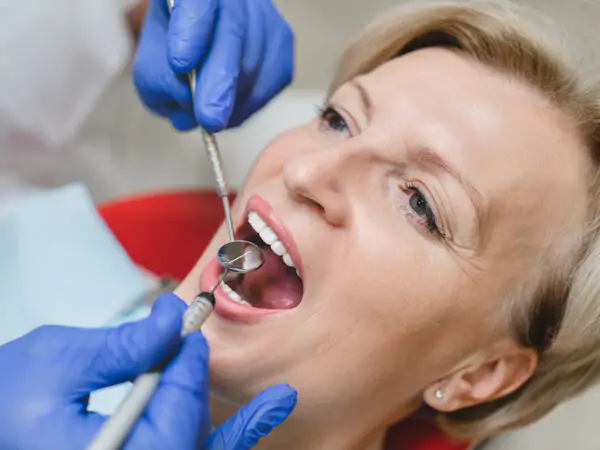
Complete dentures are prosthetic devices used to replace all of the upper or lower teeth. After a qualified dentist takes measurements and prepares them to fit your mouth structure, complete dentures are placed in your mouth. An initial adjustment period may be necessary, but they will adapt to your mouth structure over time.
There are some points to consider when using full dentures;
It is necessary to use appropriate toothbrushes and cleaners to remove and clean your dentures.
Removing dentures while sleeping helps the oral tissues rest.
Hard and sticky foods should be avoided, as these can stress or damage dentures.
Hooked Dental Prosthetic Treatment
Dental prosthetics refer to a type of dental treatment used to replace or support missing teeth in individuals who have experienced tooth loss. These prostheses help patients regain chewing function, speech ability, and aesthetic appearance by replacing missing teeth.
Clasp dentures are attached to other teeth or tissues in the area where teeth are missing. The term "clasp" refers to the small metal or plastic hooks used to support the prosthesis. These hooks hold onto the existing teeth or tissues, ensuring the prosthesis stays securely in place.
Examination and Evaluation: The dentist assesses the patient's oral structure, examines the condition of missing teeth, and creates a treatment plan according to the patient's needs.
Measurement Taking: Intraoral measurements are taken to ensure the prosthesis fits properly. These measurements allow the prosthesis to be custom-made to fit the patient's oral structure.
Prosthetic Design and Manufacturing: Based on the measurements taken, the prosthesis is designed and manufactured. This process aims to create a prosthesis that the patient can use comfortably and that is aesthetically pleasing.
Prosthesis Fitting and Adjustments: The manufactured prosthesis is placed in the patient's mouth. At this stage, the fit and comfort of the prosthesis are evaluated. Adjustments are made if necessary.
Maintenance and Inspections: Regular maintenance and check-ups may be necessary for the longevity and effective use of clasp dentures. The dentist will monitor the condition of the denture and make adjustments as needed.
Hooked dentures can be used as an option to replace or support missing teeth. However, the treatment plan may vary depending on the patient's oral health, tooth structure, and other factors. Therefore, it is important to contact a specialist dentist and create a personalized treatment plan.
Prosthetic Tooth Lifespan and Care
The lifespan of dentures can be significantly increased with good care and regular check-ups;
Dentures should be removed and cleaned after each meal, and good oral hygiene is essential.
Avoid dropping your dentures, as dropping them can cause cracks or fractures. While repairs are possible, restoring their original function can be difficult.
Regular check-ups with your dentist to have your dentures checked are important.
Dentures can help you regain both aesthetic appearance and functionality. Full dentures are used to replace all teeth and, with regular care, can last a long time. Good oral hygiene and regular checkups can improve the health and lifespan of your dentures.
When are dentures removed?
Denture treatment is an effective solution for replacing missing teeth and achieving an aesthetically pleasing smile. This treatment can be used for both full and partial dentures. In this article, we will discuss the denture treatment process, post-treatment care, and when dentures need to be removed.
Prosthetic Denture Treatment Process
Inspection and Planning: Prosthetic dental treatment begins with a dentist. The dentist will examine your oral structure, assess any missing teeth, discuss treatment options with you, and create the most suitable treatment plan for you.
Taking Measurements: To customize your dentures, measurements are taken using specific materials. These measurements ensure that the dentures are prepared to fit your oral structure.