



Is Chewing Gum Harmful During Orthodontic Treatment?
In orthodontic treatment Many rumors circulate about the effects of chewing gum. However, having accurate information is important for protecting dental health. In this article, we will answer frequently asked questions about the effects of chewing gum on teeth.
Contents
Is Chewing Gum Harmful?
Today, there is much debate about the harms of chewing gum. People have different opinions on whether chewing gum can have both positive and negative effects. However, when focusing more on the negative effects of chewing gum on dental health, some important points emerge.
Chewing gum creates a kind of mechanical friction in your mouth when you chew it. This friction can increase saliva production and support oral hygiene. However, some gums may contain sugar, which can lead to tooth decay. In addition to sugar, the acids in gum can also damage tooth enamel and cause cavities.
Furthermore, chewing gum can damage the jaw joints and surrounding tissues. Temporomandibular joint disorders (TMJs) can occur, particularly in individuals with excessive gum chewing habits. These disorders can lead to restricted jaw movement, pain, and even TMJ dysfunction.
Chewing gum can also affect the jaw muscles. Constant chewing can cause the jaw muscles to overwork, leading to fatigue, pain, and even headaches.
The dangers of chewing gum should not be ignored. Especially when using sugary gum, the risk of tooth decay may increase, and excessive chewing can have negative effects on jaw health. Therefore, it is important to control your gum chewing habit and have regular dental checkups to protect your dental health.
Is Chewing Too Much Gum Harmful?
Chewing too much gum can be harmful to your dental health. Constant chewing can put excessive strain on the jaw joints, leading to jaw problems. Additionally, excessive chewing can weaken tooth enamel, making it more susceptible to decay.
Is Chewing Gum Harmful to Teeth?
Chewing gum, especially sugary or acidic gums, can damage teeth. It can lead to enamel erosion and decay. Therefore, limiting gum chewing is important for maintaining good dental health.
Chewing Gum While Wearing Braces
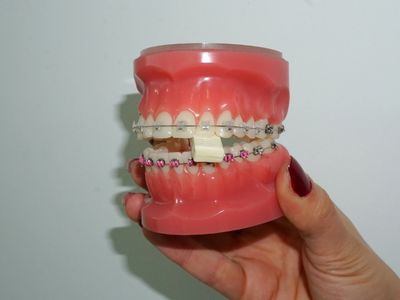
Chewing gum while wearing braces can interfere with their effectiveness. Gum can stick to the wires, preventing them from moving or causing them to become coated with a sticky substance. This can prolong the treatment process or lead to complications. Therefore, orthodontic treatment Chewing gum should be avoided during this time.
Does chewing gum help with tooth infection?
Some people believe that chewing gum can reduce gum inflammation. However, this is not actually true. Chewing gum can irritate the gums and increase inflammation. Therefore, it is better to use other methods recommended by your dentist to protect gum health instead of chewing gum.
Is Chewing Gum Beneficial?
Chewing gum is thought to have some benefits, but some important points should also be considered alongside these benefits.
- It can increase saliva production: Chewing gum can increase saliva production. Saliva plays a vital role in maintaining oral hygiene and counteracting damage caused by acids. Increased saliva production can help clean away bacteria in the mouth and prevent tooth decay.
- It can support oral hygiene: Chewing gum can support oral hygiene after meals or when there's no time to brush your teeth. Chewing gum can clean away food particles and debris between teeth, which can prevent tooth decay and other oral health problems.
- It can improve concentration: Some studies suggest that chewing gum can increase concentration and improve mental performance. Chewing gum can reduce stress and increase attention. Especially while working or studying, chewing gum can make it easier to focus.
In addition, chewing gum is not always beneficial. If you chew gum excessively, it is important to schedule an appointment with the expert dentists at İnci Dental to have your teeth checked.
Does chewing gum help with toothache?
In some cases, chewing gum is thought to relieve mild toothache. However, this may provide temporary relief and is not a cure for the underlying problem. Furthermore, excessively chewing on a painful tooth can cause more irritation and pain.
Chewing Gum with Veneers
Veneers require care just like natural teeth. However, veneers can be more delicate than natural teeth. Therefore, habits like chewing gum can shorten the lifespan of veneers and increase the risk of damage. If you have veneers, follow your dentist's recommendations and limit gum chewing.
You should not neglect your dental checkups, and if you enjoy chewing gum, you should have your teeth checked regularly. You can create your regular dental checkup plan by making an appointment with the expert dentists at İnci Dental without delay.