



Why is orthodontic treatment applied?
Orthodontic braces are one of the most important elements that determine our smile and facial expression. Today, a healthy and beautiful smile has become everyone's desire. Healthy and straight teeth are a crucial factor in creating a beautiful smile. Dental health and aesthetics are also determining factors in overall quality of life as well as personal self-confidence. However, some people may face the problem of irregular or crooked teeth. At this point, orthodontic braces, one of the most important solutions in modern dentistry, come into play. Besides aesthetic problems in the teeth, crooked teeth and jaw structure problems can also lead to various health problems. Orthodontic treatment is an orthodontic treatment method that helps correct these types of dental and jaw problems, while also allowing you to have aesthetically and functionally pleasing smiles.
What are braces?
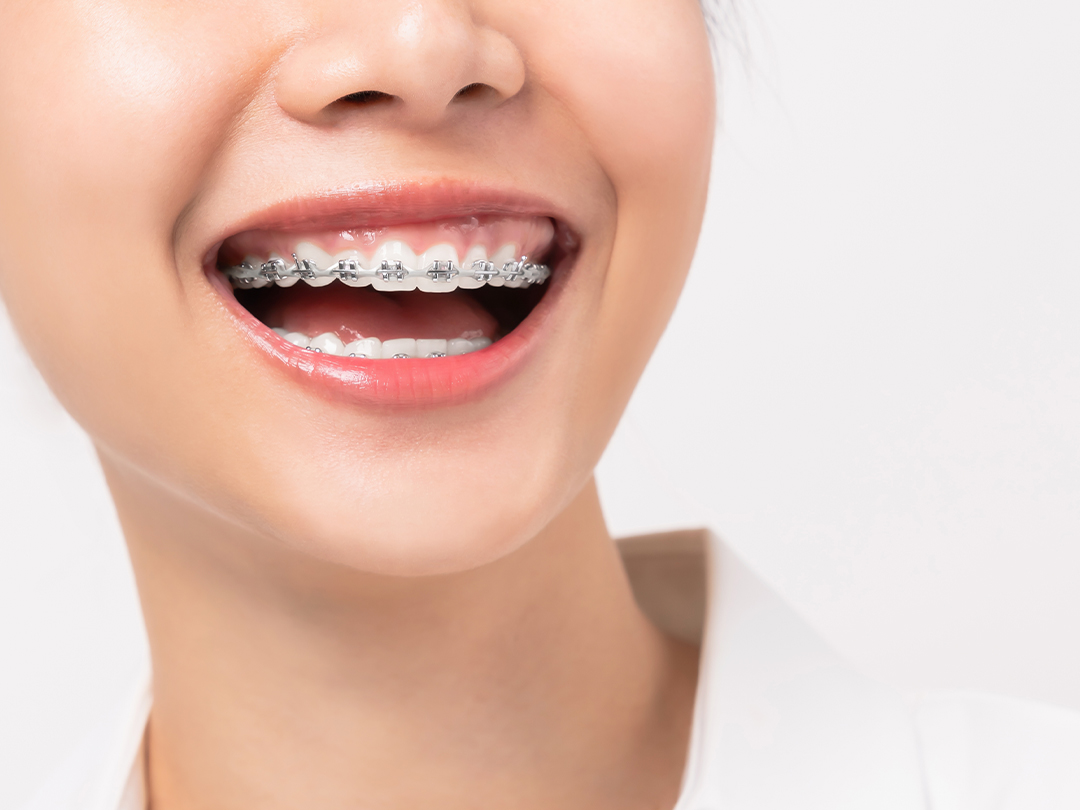
Orthodontic treatment with braces is a treatment used to straighten teeth, reshape the jaw structure, and achieve an ideal bite. Braces are usually made of metal, ceramic, or clear materials and are attached to the surface of the teeth. Orthodontic treatment with braces is performed by expert orthodontists to ensure proper tooth alignment, jaw correction, and a beautiful smile.
Types of Orthodontic Braces
Metal Braces: This is the most common and economical type of braces, consisting of silver-colored stainless steel wires and brackets. They work by placing wires behind the teeth and attaching brackets to the front or back surfaces of the teeth. They can be optionally colored with colored rubber rings. Traditional metal braces are preferred due to their affordability and effective results.
Ceramic Braces: Another option preferred by those with aesthetic concerns. They are made from ceramic material to match the color of the teeth and are therefore less noticeable.
Lingual Braces: These braces are specially placed on the back of the teeth, on the tongue side. This makes them almost invisible from the outside and a preferred aesthetic choice. However, they can be difficult to put on and clean.
Clear Aligners: With advancements in technology, orthodontic treatment with invisible, removable clear aligners can be performed much more comfortably and aesthetically. These aligners are custom-made and are changed at specific intervals during the treatment process; they are also removable and easy to use. However, their effectiveness may be limited in terms of treatment duration and certain dental problems.
Stages of Orthodontic Treatment
Examination and Planning: Before orthodontic treatment begins, a thorough examination is performed by an orthodontist, and the condition of the teeth is assessed using digital X-rays. The treatment process, including which type of braces will be used and how long they will remain in place, is determined.
Bracket and Wire Placement: In the first stage, brackets are bonded to the front or back surface of the teeth. These brackets are then connected to wires, and appropriate forces are applied to straighten the teeth.
Treatment Process: The duration of treatment for braces varies depending on individual needs and the complexity of the problem. Generally, treatment lasts between 1 and 3 years.
Regular check-ups: Regular check-ups are performed during the treatment process. During these check-ups, brackets are tightened, wires are adjusted, and the progress of the teeth straightening is monitored.
Post-Treatment: It may take some time for teeth to straighten and reach the desired position after orthodontic treatment. Once treatment is complete, the braces are removed, and in most cases, fixed or removable retainers are used to ensure the corrected results are permanent. In some cases, patients are also advised to wear retainers after treatment.
Benefits of Orthodontic Treatment
Straight Teeth and a Beautiful Smile: The most noticeable benefit is achieving a regular and beautiful smile by straightening crooked teeth and closing gaps between them.
Health and Function: Straightening teeth improves chewing and speech functions, reduces temporomandibular joint problems, and ensures healthy tooth occlusion.
Increased Self-Confidence: Having a healthy and beautiful smile as a result of treatment increases personal self-confidence and has a positive impact on social relationships.
Gum Health: Properly aligned teeth positively affect gum health and reduce the risk of gum disease.
Preventing Temporomandibular Joint Disorder (TMJ) Problems: Irregular teeth and jaw structure can lead to TMJ problems. Orthodontic treatment can reduce this risk.
Who is not suitable for orthodontic treatment?
Orthodontic treatment with braces can be applied at almost any age, but in some cases it may not be suitable. Orthodontic treatment with braces is generally postponed during pregnancy. Additionally, conditions such as severe gum disease, cavities, and deteriorating tooth structure can also cause treatment to be delayed.
Things to do before orthodontic treatment;
Before orthodontic treatment, a detailed oral examination is performed. If cavities, tartar, or staining are present, or if extraction is necessary, these treatments should be carried out. Only then is orthodontic treatment applied. Because braces remain in the mouth for an extended period, treatment with braces is difficult; therefore, all other oral treatments must be completed before braces are fitted.
Orthodontic Care
The effectiveness of orthodontic treatment must be supported by proper aftercare.
Tooth Brushing: Teeth should be brushed at least twice a day, and the toothbrush should be replaced with a special orthodontic brush.
Dental Floss and Interdental Brushes: Dental floss or interdental brushes should be used to remove food particles from between your teeth.
Food and Drinks: Hard and sticky foods, as well as colored and acidic drinks that can harm dental health, should be avoided until the end of treatment. Also, biting and tearing with the front teeth should be avoided until the end of treatment.
Dental Visits: Regular dental visits are necessary to monitor the progress of orthodontic treatment; this ensures that the treatment is completed on time and as desired.
Key Points Regarding Orthodontic Treatment
Starting Early: Orthodontic problems are easier and faster to treat during childhood and adolescence. Therefore, it is important to seek orthodontic examinations at an early age.
Process and Patience: The orthodontic treatment process can vary from person to person and may take anywhere from a few months to several years. Patience and regular check-ups are important for success.
Post-Treatment Retainers: It is important to use retainer appliances after treatment to prevent teeth from returning to their original positions. These appliances help maintain the teeth's new positions and are crucial for long-term success.
Oral Hygiene: Oral hygiene is extremely important for those wearing braces. Brackets and wires can make cleaning teeth more difficult and lead to plaque buildup. Therefore, regular brushing, flossing, interdental brushing, and adherence to oral care routines recommended by your dentist are necessary.
Dietary Habits: During treatment, it's important to avoid certain hard, sticky, or difficult-to-chew foods. These types of foods can damage the brackets or cause the braces to come loose.
Choosing an Orthodontist: Orthodontic treatment with braces is a specialized field. The success and effectiveness of the treatment largely depend on the expertise of the orthodontist performing the treatment. Therefore, it is important to choose a reliable and experienced orthodontist with good references.
 Technological Advances in Orthodontic Treatment
Today, technological advancements in orthodontic treatment are increasing the effectiveness of treatment and patient comfort. This also answers the question of how long braces last, because as technology improves, treatments become both easier and shorter.
Digital Imaging and Planning: Digital X-rays and 3D imaging techniques allow for more precise planning of the orthodontic treatment process, from start to finish.
Invisible Braces Options: Invisible braces options such as lingual braces and clear aligners offer a more attractive option for individuals with aesthetic concerns.
Rapid Treatment Methods: In some cases, it is possible to achieve the desired results quickly using rapid orthodontic treatment methods.
Cost of Orthodontic Treatment
Orthodontic treatment can vary in cost depending on the duration of treatment, materials used, and treatment method. Traditional metal braces tend to be more economical than other options. However, aesthetic options such as ceramic or lingual braces can be more expensive. To get clear information about treatment costs, scope, and duration, it is necessary to consult with an orthodontist.
In conclusion, orthodontic treatment with braces is a method of great importance in terms of both aesthetics and health. Straight teeth and a beautiful smile boost self-confidence and help prevent various health problems. Performed by a qualified orthodontist, orthodontic treatment with braces offers a suitable option for those with aesthetic concerns thanks to various material choices. However, the treatment process, which can vary from patient to patient, requires patience and regular follow-up.