



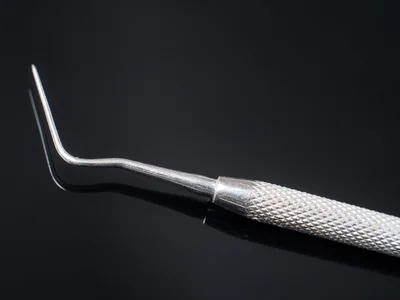
Curettage
Curettage (tooth root) is a treatment method applied as a deep cleaning. It is performed to stop gum recession. Similar to tartar removal, but curettage is the deep cleaning of inflammation and tartar that extends to the tooth roots. It causes gaps (pockets) at the point where the gum and tooth roots meet. If these gaps are properly cared for, tooth loss can be prevented and gum health can be improved. It is performed under local (oral) anesthesia, and the patient does not feel any pain during the procedure.
After an oral examination, the patient's gum health and necessary treatments may vary.
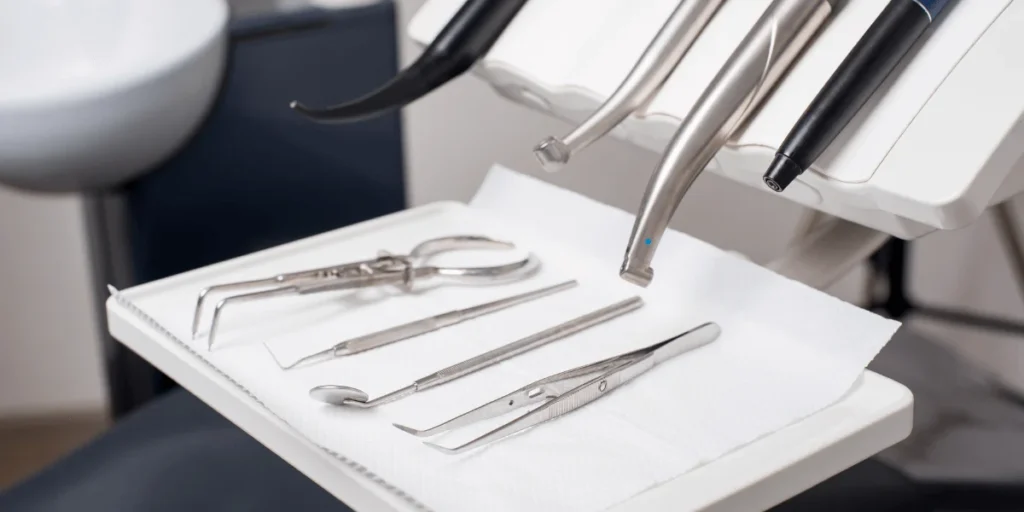
Types of Curettage:
* Subgingival curettage
This is known as deep cleaning. It is a cleaning method used to remove infections, tartar, bacteria, etc., that form in the gum line.
* Periodontal Curettage
It is a more thorough, deeper cleaning process that includes both the gum line and the tooth roots.
* Open Curettage
The gum tissue is surgically lifted and scraped away. The removed gum tissue is then sutured back together. This procedure is used in the treatment of advanced gum disease.
*Closed Curettage
It does not require surgical intervention. It is used for shallow infections and plaque removal. It is preferred in early-stage procedures.
The procedure is performed by a periodontist (gum specialist).
Curettage can be performed either completely through the mouth or on a single tooth.
Patients who do not undergo curettage
- Using blood thinners
- Pregnancy period
- Those with serious heart conditions
- Procedures are not performed on young children.
Things to keep in mind after a curettage procedure:
Teeth should be brushed regularly after treatment.
Dental floss should be used.
After treatment, avoid hard and hot foods; you can consume soft and cold drinks.
Smoking and alcohol consumption negatively affect gum healing.