



Why do implants fall out? What precautions should be taken to prevent them from falling out?
Dental implants are one of the most effective solutions offered by modern dentistry. Providing a permanent solution for replacing missing teeth, implants offer the closest alternative to natural teeth. However, as with any surgical procedure, implant treatment can carry some risks and complications. The most common of these is implant failure or loosening. In this article, we will discuss why implants fail, what precautions can be taken to prevent this, and measures that can be taken to ensure the longevity of the implant.
Contents
What are implants? How are they done?
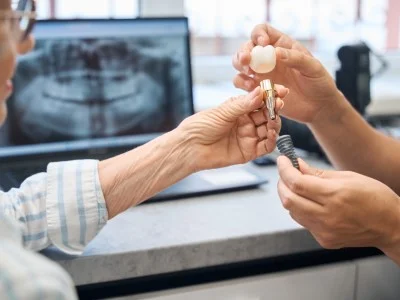
Dental implant, Dental implants are artificial tooth roots, usually made of titanium, that are placed in the jawbone to replace lost teeth. Over time, these artificial roots fuse with the jawbone, ensuring a secure hold for the prosthetic tooth that will be placed on them. Implants are considered one of the closest solutions to natural teeth in terms of aesthetics and function, restoring chewing function while preserving facial aesthetics.
Dental implant placement typically involves several stages. In the first stage, the dentist prepares the area where the implant will be placed and inserts the implant screw into the jawbone under local anesthesia. During this process, placing the implant in the correct position and angle is crucial. After implant placement, a specific healing period is observed to allow the bone and implant to fuse. This process ensures healthy healing of the surrounding tissues and integration of the implant with the jawbone.
In the final stage, a prosthetic tooth or crown is placed on the implant. At this stage, custom-made prostheses are designed to suit the patient's aesthetic and functional needs and are fixed onto the implant. When implant placement is done correctly, it can be used without problems for many years and offers the closest experience to natural teeth.
Reasons for Implant Crown Falloff
Dental implants generally offer long-lasting and durable solutions. However, in some cases, implant crowns may fall off or loosen. The reasons behind implant crown loss are varied, and being aware of these reasons is crucial for taking the right precautions during the treatment process.
- Incorrect Placement of a Denture: Improper fitting of a prosthetic tooth or crown placed on an implant can cause it to loosen and fall out over time. Prosthetic teethIf the material is not perfectly compatible with the implant, excessive pressure or movement can lead to the crown falling off.
- Jawbone Structure Deficiency: Conditions such as insufficient structural strength of the jawbone or bone loss can make it difficult for the implant to hold securely. In areas with inadequate bone support, the implant may loosen and the crown may fall off over time.
- Inflammation and Infection: Inflammation around the implant can weaken the supporting tissues, leading to the sheathing of the implant. These types of infections are usually caused by poor oral hygiene or complications developing in the area where the implant is placed.
- False Occlusion: If the crown placed on the implant is incorrectly positioned against the bite surface, it can lead to occlusion problems. In this case, excessive pressure may be applied to the crown, causing it to fall off.
- Use of Low-Quality Materials: The quality of materials used in implant and veneer production directly affects the long-term success of the treatment. Low-quality materials can deform over time and cause the veneer to fall off.
- Smoking: Smoking negatively affects tissue healing around the implant, reducing its stability. Additionally, smoking increases the risk of infection around the implant, potentially leading to crown detachment.
Although there are many factors that can cause crowns to fall off, these risks can be largely prevented with proper treatment and regular care. Regular dental check-ups and careful oral hygiene after implant treatment ensure the longevity of the implant. If an implant crown falls off, it is essential to consult a specialist for the necessary interventions.
By scheduling an appointment with the expert dentists at İnci Diş, you can receive high-quality implant treatment and prevent your oral health from negatively impacting your life.
Why do implant screws loosen?
Implant screw loosening is a common problem encountered in implant treatment and can be due to various reasons. Firstly, insufficient tightening of the implant screw during surgery or inadequate bone density in the area where the implant is placed can lead to the screw loosening over time. In this case, the implant may not fully fuse with the jawbone, causing the implant screw to loosen. Additionally, factors such as errors during surgery or excessive load on the implant can negatively affect the screw's stability.
Another important reason is the effect of intraoral forces on the implant. Habits such as teeth clenching and grinding, in particular, can create constant pressure on the implant screw, leading to loosening. In addition, misalignment of the prosthetic tooth placed on the implant or occlusion problems can also cause the implant screw to loosen. To prevent such problems, regular check-ups after implant placement and retightening of the implant screw by the dentist when necessary are important.
 Things to Consider After Getting Dental Implants
 Things to Consider After Getting Dental Implants
To ensure the longevity of dental implants, there are several important points to consider after implant treatment. These careful approaches play a significant role in extending the lifespan of the implant.
- Regular Oral Care: Regular brushing and flossing are necessary to prevent plaque and tartar buildup around the implant. Poor oral hygiene can weaken the tissues surrounding the implant and lead to implant failure.
- Keeping Up with Check-up Appointments: Regular dental check-ups after getting dental implants are important for early detection of potential problems. When seeking answers to the question of why implants fall out, it is important to remember that check-up appointments should not be missed.
- Avoid Hard Foods: Avoiding hard foods is important to prevent putting excessive stress on the implant. This can be effective in preventing the implant screw from loosening and the crown from falling off.
These points to consider after implant treatment directly affect the success of the treatment and the longevity of the implant. With proper care and regular dental check-ups, you can use your implants without problems for years and have a healthy and aesthetically pleasing smile. It should be remembered that fulfilling your individual responsibilities after implant treatment is one of the most important steps to take in order to protect the health of your teeth.
Measures to Prevent Implant Problems
There are several precautions that can be taken to ensure the long-lasting and problem-free use of implants. These precautions minimize potential problems after implant treatment and help the implants remain healthy for longer.
- Correct Surgical Technique: The application of correct surgical techniques during implant placement is one of the most fundamental answers to the question of why dental implants fail. Incorrect surgical techniques can lead to implant failure.
- Treatment for Teeth Grinding: Teeth grinding In individuals with habits such as teeth grinding, it is important to treat this condition. Teeth grinding can cause implants to loosen and fall out. Therefore, this habit may need to be treated before implant treatment.
- Use of High-Quality Materials: Using high-quality materials for components such as implants and implant screws increases the durability of the implant and reduces the risk of it falling out. Poor quality materials can shorten the lifespan of the implant.
The measures taken to increase the success of implant treatment and prevent potential problems directly affect the quality and longevity of the treatment. Therefore, using the correct surgical techniques, choosing high-quality materials, and meticulously performing post-treatment care are of great importance. To be able to use your implants without problems for many years, you need to consider these precautions and maintain regular communication with your dentist.