



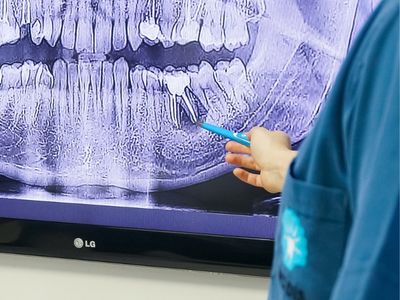
In what situations should a tooth not be extracted?
Tooth extraction is generally the preferred option when other treatment methods for restoring tooth health have failed. Extraction may be unavoidable, especially in cases of advanced decay, root inflammation, or severe damage. However, thanks to modern dental practices, it is possible to preserve and repair the tooth in many cases.
Before a tooth extraction, it's important to thoroughly discuss the situation and possible treatment options with your dentist. Furthermore, meticulously following the appropriate post-extraction care and treatment process can speed up the healing process and prevent potential complications.
Contents
Main Reasons for Tooth Extraction
Tooth extraction is generally the preferred treatment method when there are conditions that seriously affect the health of the tooth. The main reasons are generally as follows:
- Cavities and Damaged Teeth: Tooth decay is damage to the hard tissues of the tooth. If the decay has progressed to the inside of the tooth and damaged the tooth's basic structure, extraction may be unavoidable. Similarly, broken or cracked teeth should also be extracted, usually when they are too damaged to be repaired.
- Root Inflammation: Inflammation of the soft tissues surrounding the tooth roots may necessitate tooth extraction. Root infections can cause pain and damage to the tissues surrounding the tooth. Tooth extraction should be considered in cases of root infections that are untreatable or recurrent.
- Gum Diseases: Serious gum diseases may necessitate tooth extraction. Diseases like periodontitis can weaken the tissues supporting the teeth, leading to tooth loss. In this case, tooth extraction and appropriate subsequent treatment methods should be considered.
- Housing Problems: In some cases, tooth extraction may be recommended due to misaligned teeth or teeth that are incompatible with the oral structure. This situation can particularly affect the need for orthodontic treatment.
- Insufficient Space or Tooth Crowding: In cases of insufficient space between teeth or tooth crowding, tooth extraction may be a suitable solution. This is often preferred to facilitate orthodontic treatment.
Based on these underlying reasons, tooth extraction is often the most effective way to restore tooth function. However, each case is unique, and a thorough evaluation with your dentist is crucial in determining the appropriate treatment option.
Losing a tooth can lead to serious problems with oral health. Tooth loss can cause changes in jaw structure, displacement of other teeth, and impaired chewing function. Tooth extraction is sometimes unavoidable to prevent such problems.
In what situations should a tooth not be extracted?
Tooth extraction may not always be a suitable solution. In some cases, tooth extraction is not recommended, and alternative treatment methods should be preferred. Situations where tooth extraction is not suitable are generally as follows:
- Early Stage Cavities and Possibility of Filling:
When tooth decay is diagnosed at an early stage, tooth extraction is usually unnecessary. Fillings can repair the decayed area and preserve the tooth's function.
- Teeth that can be saved with root canal treatment:
When the nerve inside a tooth is damaged, it is possible to save the tooth by performing root canal treatment. This treatment can repair the nerve damage without the need to extract the tooth.
- Damages that can be repaired with restorative solutions:
Tooth fractures or cracks can be repaired with restorative solutions such as crowns, veneers, or bridges. These methods allow for the repair of the tooth instead of extraction.
- Advanced Periodontal Treatments:
Gum diseases can be controlled with advanced periodontal treatments. Professional cleaning, periodontal surgery, or root resurfacing can prevent tooth extraction.
- Dental Aesthetic Problems:
Aesthetic problems in teeth can be corrected with alternative methods such as orthodontic treatments, veneer applications, or implant options, instead of tooth extraction.
- Tooth Loss in Older Age and Prosthetic Options:
Tooth loss that occurs with aging can be treated with options such as dentures, implants, or bridges instead of tooth extraction. Replacing lost teeth with new ones can maintain the function of the extracted tooth.
- Advanced Gum Diseases and Surgical Intervention:
Advanced gum disease can be controlled with periodontal surgery and other surgical interventions. These methods can improve gum health and prevent tooth extraction.
Risks and Side Effects of Tooth Extraction
Like any surgical procedure, tooth extraction involves certain risks and side effects. Therefore, here are some important points to know before a tooth extraction:
- Risk of Infection:
The risk of infection after tooth extraction is a factor that needs to be considered. Appropriate hygiene measures should be taken, and the antibiotics prescribed by the doctor should be used regularly.
- Complications and Bleeding:
Complications and bleeding that may occur during tooth extraction should be carefully monitored. The healing process recommended by the doctor should be followed, and any abnormalities should be reported immediately.
- Jaw Problems and Nerve Damage:
Jaw problems and nerve damage that may occur during tooth extraction require the intervention of a specialist dentist. Therefore, the tooth extraction procedure should be performed by an experienced professional.
It's important to remember that tooth extraction may not be a suitable solution for everyone. Taking care of your dental health and not neglecting regular checkups can be the best way to avoid tooth extraction. However, when tooth extraction is necessary, appropriate treatment options should be evaluated under the guidance of an experienced dentist. Don't neglect regular dental checkups to protect your oral health.
To maintain regular oral hygiene and avoid problems like tooth extraction, or to have any tooth extraction performed by professionals, you can schedule an appointment with the expert dentists at İnci Dental.