



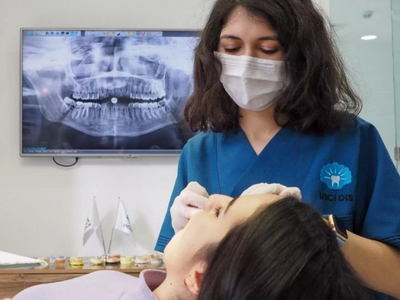
Why does toothache occur during pregnancy?
Pregnancy is a period that causes many changes in a woman's body. One of these changes is related to dental health. Toothache during pregnancy is a problem many women face. In this article, we will discuss the causes, effects, and natural solutions for toothache during pregnancy in detail.
Contents
Why does toothache occur during pregnancy?
Toothache during pregnancy, Toothache can occur as a result of the interaction of a number of factors. Among these factors, hormonal changes, increased blood volume, and a weakened immune system play a significant role. In addition, hormones during pregnancy can cause swelling and sensitivity in the gums, contributing to the onset of toothache. What causes toothache during pregnancy?, The answer to that question is generally as follows:
Hormonal Changes: Increased estrogen and progesterone levels in the body during pregnancy can increase blood flow to the gums, making them more sensitive. This can predispose to gum inflammation and pain.
Increased Blood Volume: Increased blood volume in the body during pregnancy can cause more blood to flow to the gums. This can lead to swollen and increased sensitivity of the gums, resulting in toothache.
Weakened Immune System: During pregnancy, the immune system operates under some suppression. This can lead to decreased resistance to gum infections and, consequently, toothaches.
Tooth Enamel Erosion: Increased stomach acid during pregnancy can cause erosion of tooth enamel. This can lead to tooth sensitivity and pain.
Tooth Decay and Gum Inflammation: Increased sugar consumption and hormonal changes during pregnancy can trigger tooth decay and gum inflammation. These conditions can also predispose individuals to toothaches.
Alright, Which vitamin deficiency causes toothache during pregnancy?Toothache during pregnancy is usually related to factors such as hormonal changes, increased blood volume, and gum sensitivity, rather than vitamin deficiency. However, it is important for pregnant women to ensure adequate calcium, vitamin D, and vitamin C intake to protect their dental health.
Toothache during pregnancy is usually temporary and can be relieved with proper care and treatment. However, if the pain is severe or persistent, it is important to consult a dentist. If you are experiencing toothache during pregnancy, it is crucial not to begin any treatment without consulting with the expert dentists at İnci Dental Clinic.
 Can a toothache during pregnancy harm the baby?
 Can a toothache during pregnancy harm the baby?
Toothache during pregnancy usually doesn't directly harm the baby. However, it can have some effects on the expectant mother's overall health and the pregnancy itself. More details are below:
- Stress and Pregnancy: Toothaches are often associated with stress. Stress experienced during pregnancy can negatively affect the baby's development. High levels of stress can lead to low birth weight and premature birth.
- Oral Hygiene and Pregnancy Complications: Toothaches during pregnancy can lead to decreased attention to oral hygiene and neglect of dental problems. This can result in tooth decay, gum disease, and other oral health issues. These problems can then pave the way for pregnancy complications.
- Nutrition and Infant Development: Inability to eat adequately due to pain can affect a baby's healthy development. Teething, in particular, can negatively impact a mother's eating habits, leading to developmental problems in the baby.
- Dental Infections and Inflammation: Toothaches can occur due to tooth decay and gum inflammation. These infections can lead to an increased inflammatory response in the body, affecting the baby's development.
Toothache during pregnancy doesn't directly harm the baby, but factors like stress, neglected oral hygiene, poor nutrition, and dental infections can affect the mother's overall health and, consequently, the baby's development. Therefore, it's important to take care of your oral health during pregnancy and consult a dentist if you experience toothache.
Those who experience toothache during pregnancy Although this process is generally ignored, to prevent possible complications, one should consult a specialist dentist. If you are experiencing toothache during pregnancy, you can make an appointment with the specialist dentists at İnci Dental Clinic right away!
What are the symptoms of bruxism during pregnancy?
Bruxism, also known as jaw clenching or teeth grinding, is a condition that can occur in many women during pregnancy. However, it may not be directly related to pregnancy. Bruxism is often associated with factors such as stress, anxiety, dental problems, or sleep disorders. During pregnancy, hormonal changes and other physiological changes in the body can also affect this condition.
Symptoms of bruxism during pregnancy may include the following:
- Jaw Pain: Teeth clenching or grinding can cause pain in the jaw muscles.
- Headache: Bruxism can cause pain in the head and neck area.
- Tooth Sensitivity: Teeth can develop wear or cracks, which can lead to tooth sensitivity.
- Sleep Disorders: Bruxism usually occurs during sleep. This can lead to sleep interruptions, fatigue, and other sleep problems.
- Temporomandibular Joint Disorders: Pain or discomfort may be felt around the temporomandibular joint (TMJ).
- Tooth Wear: Bruxism can lead to problems such as wear, cracking, or breakage of teeth.
If you experience these types of symptoms during pregnancy, it's important to contact the expert dentists at İnci Diş. The dentist can assess the situation, offer treatment recommendations if necessary, and suggest appropriate methods to reduce pain. Furthermore, paying special attention to dental health during pregnancy is crucial, as hormonal changes can affect gum health. Gum treatment, It should not be postponed.
Causes of Wisdom Tooth and Filling Pain During Pregnancy
During pregnancy, hormonal changes and increased blood volume in the body can often affect dental health. Wisdom tooth pain is one such problem that can occur during pregnancy. Wisdom tooth pain during pregnancy The reasons are as follows:
- Hormonal Changes
- Gum Sensitivity
- Weakened Immune System
- Gum Inflammation
- Gum swelling
- Bruxism (Teeth Grinding)
Wisdom tooth pain during pregnancy is usually temporary and can be relieved with proper care and treatment. However, it is important to consult a dentist if there is severe pain or complications. A dentist can help protect your dental health throughout pregnancy by determining the appropriate treatment plan.
What helps with toothache during pregnancy?
There are several natural and safe ways to cope with toothache during pregnancy. How to relieve toothache during pregnancy., This is a question frequently asked, especially by pregnant women who prefer not to take medication. However, it is crucial to consult a healthcare professional before starting any treatment. What helps with toothache during pregnancy?, The answers to the question are as follows:
- Cold Compress: Applying a cold compress to the toothache area can reduce swelling and relieve pain. You can do this by wrapping an ice pack in a thin cloth.
- Saltwater Gargle: Gargling with warm salt water can soothe gums and reduce the risk of infection. You can add a teaspoon of salt to a glass of warm water and gargle.
- Peppermint oil: Peppermint oil has natural pain-relieving properties. You can gently apply a few drops of peppermint oil to a sore gums using a cotton swab. Natural remedies for toothache during pregnancy Peppermint oil can be preferred as an alternative.
- Emergency Toothache Gel: Special toothache gels are available for use during pregnancy. It's important to seek professional help before using gels to alleviate toothache during pregnancy.
- Pain Relievers: It's important to talk to a healthcare professional about using pain relievers during pregnancy. Often, low-dose pain relievers like paracetamol may be recommended.
- Regular Dental Care: Brushing and flossing your teeth regularly can help protect your dental health. During pregnancy, it's especially important to pay attention to oral hygiene to prevent toothaches.
- Water Intake: Drinking plenty of water can reduce the level of bacteria in the mouth and alleviate toothache. Additionally, drinking water increases saliva production, contributing to the natural cleaning of teeth.
- Relaxing Activities: Avoiding stress during pregnancy can prevent conditions like teeth grinding. Relaxing activities, such as yoga or breathing exercises, can help reduce stress.
If toothache is severe and persistent during pregnancy, it's important to consult a dentist. The dentist will assess the situation and recommend appropriate treatment.
Alright, When does toothache go away during pregnancy?If the pain is related to pregnancy, it will generally subside when the pregnancy ends. However, Causes of toothache during pregnancy This should be determined and clear information should be obtained from the specialist dentists at İnci Dental Clinic.