



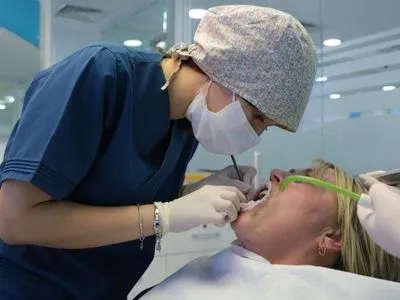
What is an impacted tooth?
impacted tooth, Impacted teeth refer to teeth that do not erupt properly, usually due to insufficient space within the jawbone. This condition commonly occurs with wisdom teeth (20-year teeth) and can also affect other teeth. Impacted teeth can arise for various reasons and manifest with a variety of symptoms.
Contents
- What are the causes of impacted teeth?
- Genetic Factors
- Adjacent Teeth
- Jaw narrowing
- Milk Tooth Infection
- Impacted Wisdom Tooth Extraction
- How long does the pain last after an impacted wisdom tooth extraction?
- What are the symptoms of impacted teeth?
- I have an impacted tooth, what should I do?
- What happens if impacted teeth are left untreated?
- Impacted Canine Teeth
- Complications that Impacted Teeth Can Cause
- Can we prevent the formation of impacted teeth?
- How is an impacted tooth extracted?
- How long does an impacted tooth extraction surgery take?
- Is Impacted Tooth Surgery Difficult?
- What precautions should I take after an impacted tooth surgery?
What are the causes of impacted teeth?
Understanding the various causes that contribute to the formation of impacted teeth is crucial for managing this condition effectively. The primary factor is genetic predisposition; individuals with a family history of impacted teeth are known to have a genetic predisposition that can trigger the condition. The condition of neighboring teeth also influences the formation of impacted teeth.
Problems with the eruption pathways of adjacent teeth can prevent the tooth from erupting properly. Additionally, jaw narrowness is a significant factor in the development of impacted teeth. If there isn't enough space within the jawbone, teeth cannot erupt correctly, and impaction begins.
Another contributing factor is infections in baby teeth. Infections in baby teeth can prevent permanent teeth from erupting properly later on, contributing to the formation of impacted teeth. A detailed examination of these causes will help us understand why impacted teeth occur and take appropriate steps to prevent or treat this condition.
Genetic Factors
To understand whether impacted teeth are related to a genetic predisposition, it's important to examine family history. Individuals with a family history of impacted teeth are more likely to experience this condition. Genetic factors can contribute to problems in the eruption pathways of teeth or in the jaw structure.
Understanding the role of genetic factors in impacted tooth formation can help individuals better understand their dental health.
Adjacent Teeth
Impacted teeth are closely related to the condition of adjacent teeth. Problems with the eruption pathways in neighboring teeth can prevent the impacted tooth from erupting properly. Irregularities in the rows of teeth, in particular, can cause blockages in the eruption pathways, triggering the formation of impacted teeth.
The influence of neighboring teeth on impacted teeth is an important factor for dentists in treatment planning.
Jaw narrowing
Jaw narrowness is another common cause of impacted teeth. If there isn't enough space in the jawbone, teeth cannot erupt properly, and impacted teeth begin to form. Jaw narrowness can often occur due to genetic factors in the jaw structure during tooth development.
Cases where jaw narrowing causes impacted teeth should be considered in orthodontic treatment processes.
Milk Tooth Infection
Infections in baby teeth can lead to impacted teeth later on. Infections in baby teeth can cause problems in the eruption pathways, preventing permanent teeth from erupting properly.
The impact of primary tooth infections on the formation of impacted teeth may necessitate early intervention for dental health in children.
Impacted Wisdom Tooth Extraction
Extraction of impacted wisdom tooth, This procedure is usually necessary due to obstructions or various problems along the tooth's eruption path. It is typically performed by a dentist and must be carefully planned.
A frequently asked question is, how long does the pain last after wisdom tooth extraction? The pain that can occur after the extraction of an impacted wisdom tooth can vary from person to person. It is usually most intense in the first few days, but this can vary depending on the individual's pain threshold and the complexity of the surgical procedure. Regular use of pain relievers prescribed by the doctor is important to reduce pain. Cold applications and rest can support the healing process.
Full or extraction of partially impacted wisdom tooth, Tooth extraction is usually necessary due to problems or various disorders in the tooth eruption pathways. This procedure requires an evaluation by the dentist and a detailed planning process with the patient. Furthermore, effectively managing any pain and discomfort that may occur after extraction is crucial for increasing patient comfort. Impacted wisdom tooth When performed professionally by dentists, tooth extraction can be a treatment option that positively impacts a patient's health.
How long does the pain last after an impacted wisdom tooth extraction?
Extraction of impacted wisdom tooth The duration of post-pain pain can vary depending on many factors. However, in general, this process differs from patient to patient and can range from a few days to a week. Some factors that affect the duration of pain include:
- Complexity of Surgical Intervention: Extraction of an impacted wisdom tooth can take longer depending on the tooth's location and the complexity of any obstructions in its eruption path. A more complex surgical procedure can generally result in more pain.
- Patient Recovery Capacity: Each individual's body has different healing rates. Health status, immune system, and overall health are factors that affect the duration of pain.
- Pain Management: Pain duration can be controlled more effectively if the patient uses the pain medication prescribed by the doctor regularly and follows the recommended instructions.
- Rest and Cold Applications: If the patient rests and applies cold compresses as recommended by the doctor during the post-operative period, this can speed up the healing process and reduce the duration of pain.
Impacted wisdom tooth surgery Pain following an extraction usually decreases over time and can be managed with appropriate treatment. However, it is important to consult a dentist immediately if you experience any excessive pain, swelling, or complications.
What are the symptoms of impacted teeth?
Impacted teeth usually manifest with noticeable symptoms. These symptoms allow individuals to consult a dentist for diagnosis and the creation of an appropriate treatment plan. Symptoms of impacted teeth include:
- Pain and Discomfort: Often, the most common symptom is pain and discomfort due to obstructions in the tooth's eruption pathway. This pain can be felt in the jaw area or surrounding tissues.
- Swelling and Tenderness: Swelling and tenderness may be observed in the tissues surrounding an impacted tooth. This is related to inflammation of the soft tissues around the tooth's eruption pathway.
- Missing Teeth: Obstructions in the tooth's eruption pathway can prevent a tooth from erupting properly, leading to tooth loss. An impacted tooth can be located either beneath the gum or within the jawbone.
- Bad Breath and Taste Disorders: Bacteria can build up in the pathway of impacted teeth, leading to bad breath and taste disturbances.
- Jaw Pain and Headache: Impacted teeth can put pressure on the jaw structure, leading to jaw pain or headaches.
If you experience any of these symptoms, it is important to consult a dentist. Early diagnosis and treatment of impacted teeth are crucial to prevent potential complications.
I have an impacted tooth, what should I do?
Once an impacted tooth is diagnosed, it is important to follow appropriate treatment and management strategies. The steps to take to manage your impacted tooth are as follows:
- Consult a dentist:
If you experience symptoms of an impacted tooth, consult a dentist. A professional evaluation and X-ray will determine the condition of the impacted tooth.
- Discuss Treatment Options:
Your dentist will explain the appropriate treatment options depending on the condition of your impacted tooth. Treatment options include: impacted tooth extraction, Surgical extraction or monitoring of the tooth may be required.
- Impacted Tooth Extraction:
If an impacted tooth is obstructing its eruption path, your dentist may recommend extraction. This means removing the tooth from the jawbone.
- Surgical Removal:
In some cases, extracting an impacted tooth may require surgery. This procedure involves removing the soft tissues and bone surrounding the tooth.
- Post-Treatment Monitoring and Care:
Follow your dentist's recommendations carefully after an impacted tooth extraction. Use pain relievers and anti-inflammatory drugs regularly. Cold compresses and rest can speed up the healing process.
- Don't neglect regular check-ups:
After the extraction of an impacted tooth, continue to have regular check-ups with your dentist. These check-ups are important for evaluating the healing process and detecting potential complications early.
- Pay attention to dental hygiene:
Follow your dentist's recommendations and maintain good oral hygiene. Regular brushing and mouthwash use during the healing process can reduce the risk of infection.
The treatment plan for impacted teeth can vary depending on the individual's specific situation. Therefore, by following the advice of a specialist dentist, you can maintain a healthy dental structure and prevent potential complications.
What happens if impacted teeth are left untreated?
Failure to treat impacted teeth can lead to various complications and negatively affect overall dental health. The problems that may arise if impacted teeth are left untreated are as follows:
- Pain and Discomfort:
Impacted teeth can cause pain and discomfort by putting pressure on the jawbone. If left untreated, this pain can worsen and become chronic.
- Infection and Inflammation:
Bacteria can build up in the tissues surrounding an impacted tooth, leading to infection and inflammation. This can cause serious problems in and around the mouth.
- Other Dental Problems:
An impacted tooth can put pressure on surrounding teeth, leading to cavities and other dental problems. It can also cause tooth loss and changes in jaw structure.
- Cyst or Mass Formation:
Obstructions in the eruption pathway of an impacted tooth can lead to the formation of cysts or masses. This can cause damage to the jawbone, leading to more serious problems.
- Changes in Jaw Structure:
Failure to extract an impacted tooth can lead to changes in the jaw structure. This can result in jaw narrowing or other orthodontic problems.
- Difficulty with Tooth Eruption:
When an impacted tooth doesn't erupt properly, obstructions in its path can make eruption difficult. This can lead to increased discomfort in the mouth.
If impacted teeth are left untreated, these problems can often become more serious over time. Therefore, it is important to consult a dentist as soon as signs of impacted teeth are noticed to determine the appropriate treatment plan.
Impacted Canine Teeth
impacted canine tooth, This is generally an issue related to orthodontic treatment. This condition can occur when canine teeth encounter obstacles in their normal eruption pathways. Here are a few important points regarding impacted canine teeth:
- Impacted Canine Tooth Orthodontic Treatment:
Orthodontic treatment with braces is frequently used to correct impacted canine teeth. This treatment aims to overcome obstructions in the tooth's eruption path and align the tooth correctly. Braces can help the canine tooth find its proper position by supporting its eruption.
Orthodontic treatment for impacted canine teeth can reduce aesthetic concerns and improve tooth function.
- Signs of an Impacted Canine Tooth:
Symptoms of impacted canine teeth typically include pain, swelling, gum tenderness, and abnormal tooth alignment. It's important to consult a dentist when these symptoms are noticed.
- Treatment of Impacted Canine Teeth:
Impacted canine teeth are treated after an evaluation by a dentist. Treatment options may include orthodontic treatment, extraction, or surgery. The treatment plan is determined based on the condition of the tooth and the patient's needs.
- Aesthetic and Functional Benefits:
Treating impacted canine teeth not only reduces aesthetic concerns but can also improve chewing function and overall dental health. Properly aligned teeth can contribute to good oral health.
Impacted canine teeth can be successfully managed with early diagnosis and appropriate treatment. Therefore, it is important to consult a dentist and evaluate suitable treatment options when signs of an impacted canine tooth are noticed.
Complications that Impacted Teeth Can Cause
Impacted teeth can cause a variety of complications, often leading to serious dental problems. Potential complications of impacted teeth include:
- Inflammation and Infection:
Bacteria can build up around impacted teeth, leading to inflammation and infections. This can cause gum swelling, redness, and pain.
- Cyst or Mass Formation:
Obstructions in the eruption pathway of impacted teeth can cause cyst or mass formation. This can lead to fluid accumulation in the spaces within the jawbone.
- Tooth Decay:
Impacted teeth can form a cap on the gums, damaging surrounding teeth. This can lead to tooth decay and the decay of the surrounding teeth.
- Changes in Jaw Structure:
Impacted teeth can cause changes in the jaw structure. This can lead to jaw narrowing, teeth crowding, and orthodontic problems.
- Tooth Loss and Shifting:
Impacted teeth can cause other teeth to shift or even lead to tooth loss. This can result in aesthetic problems in the mouth and impaired chewing function.
- Pain and Discomfort:
Impacted teeth can cause pain and discomfort due to pressure on the jaw. This can negatively affect daily life activities.
- Nerve Damage:
Nerve-related complications can occur during the extraction of impacted teeth. Nerve damage can lead to numbness, tingling, or sensory loss in the jaw area. Impacted tooth near a nerve It is also important to seek the opinion of a specialist doctor for treatment.
Potential complications of impacted teeth can be prevented or managed with early diagnosis and appropriate treatment. Therefore, signs of impacted teeth If noticed, it is important to consult a dentist to have the situation evaluated.
 Can we prevent the formation of impacted teeth?
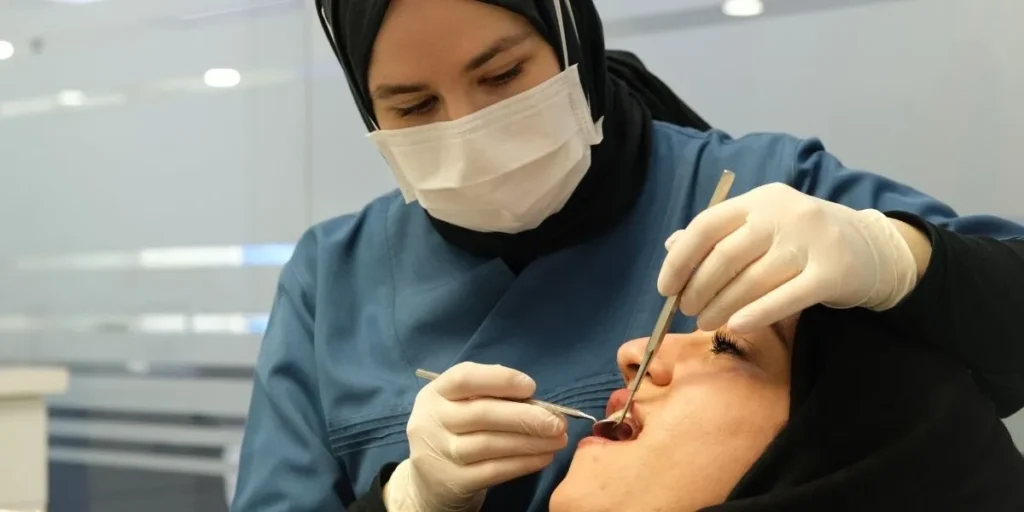 Can we prevent the formation of impacted teeth?
The key to preventing the formation of impacted teeth is regular dental care and early diagnosis.
First and foremost, regular dental checkups are extremely important. These checkups allow the dentist to detect potential signs of impacted teeth early and, if necessary, create an appropriate treatment plan.
In addition, regular brushing and flossing habits are critical for maintaining dental health. These practices can prevent the formation of impacted teeth by reducing plaque and bacterial buildup between teeth.
In children, monitoring tooth eruption at an early age and resorting to orthodontic treatment if necessary can help correct impacted teeth before they lead to more complex problems.
If there is a family history of impacted teeth, family members should not neglect regular check-ups and should follow their dentist's recommendations when necessary. This can enable early detection and treatment of impacted teeth in individuals with a genetic predisposition.
Regular dental care, scheduled check-up appointments, and early diagnosis are important for preventing the formation of impacted teeth or minimizing problems.
How is an impacted tooth extracted?
Impacted tooth extraction is a specialized surgical procedure usually performed by dentists. Below are the general steps in the impacted tooth extraction process:
- Examination and X-ray Review:
To assess the condition of an impacted tooth, the dentist uses physical examination and X-rays. This step provides detailed information about the tooth's location, eruption path, and the condition of the surrounding tissues.
- Local Anesthesia Application:
Impacted tooth extraction is usually performed under local anesthesia. This is done to numb the surrounding tissues and ensure the patient does not feel pain or discomfort.
- Gum Cutting and Lifting:
The gum tissue is cut and lifted over the impacted tooth. This step makes the tooth visible.
- Removal of Surrounding Structures:
The bone or soft tissues surrounding the impacted tooth are carefully removed to create a path for the tooth to erupt.
- Tooth Extraction:
The impacted tooth is carefully extracted using specialized surgical instruments. This step is performed meticulously to keep the extraction path open and avoid damaging surrounding tissues.
- Suturing (Optional):
After the surgical procedure, stitches may be used to close the incisions at the tooth extraction site, depending on the doctor's preference.
- Recovery Process and Follow-up:
Following the extraction of an impacted tooth, the patient's healing process is monitored. It is important to follow the doctor's recommendations, maintain good oral hygiene, and use any prescribed medications if necessary.
Every impacted tooth is different, so the treatment plan is determined individually. When the impacted tooth extraction procedure is performed meticulously by an experienced dentist, the risk of complications can be minimal.
How long does an impacted tooth extraction surgery take?
The duration of impacted tooth extraction surgery can vary depending on several factors. However, generally, this surgical procedure can be completed within a short time. The factors affecting the duration of impacted tooth extraction surgery are as follows:
Tooth Location and Condition:
The location and condition of the impacted tooth are the most important factors affecting the extraction time. If there is a more complex location or exit pathway obstructions, the surgery time may increase.
The Surgeon's Experience:
An experienced dentist can perform impacted tooth extraction surgery more quickly and effectively. The surgeon's experience positively influences the duration of the operation.
Complications and Additional Procedures Required:
Unexpected complications may arise during the extraction of an impacted tooth, or additional surgical procedures may be required. These situations can prolong the surgery time.
Patient Factors:
The patient's overall health, oral hygiene, and other health conditions can also affect the duration of the surgery. Recovery may be faster in a healthy individual.
Suturing (Optional):
Depending on the surgeon's preference, the process of suturing after tooth extraction may be added to the surgery time. However, this usually only requires a short additional period.
Generally, an impacted tooth extraction surgery can take between 30 minutes and 1 hour on average. However, this time can vary depending on the factors mentioned above. Patients should contact their dentist for detailed information before the surgical procedure.
Is Impacted Tooth Surgery Difficult?
Impacted tooth surgery, Dental implantation is a surgical procedure with varying degrees of difficulty. The position and condition of the tooth play a key role in determining the complexity of the surgery. If the impacted tooth encounters obstacles in its eruption path or has grown in the wrong direction, this can make the surgery more challenging.
The patient's overall health is also a factor affecting the difficulty of impacted tooth surgery. While the surgery can be performed more smoothly in a healthy individual, additional precautions may be necessary for patients with certain health problems.
The dentist's experience and expertise are also important factors in determining the difficulty of impacted tooth surgery. An experienced surgeon can handle complex situations more effectively and increase the chances of successful surgery.
Impacted tooth surgery is generally a specialized procedure, and each case may vary. Patients should have a detailed discussion with their dentist before the surgery to understand their expectations and the specifics of the process.
What precautions should I take after an impacted tooth surgery?
Proper care and attention after impacted tooth surgery are important for a healthy healing process. Stitches after impacted tooth surgery Since the tooth will be removed, the things you need to pay attention to will increase. Important points to consider after impacted tooth surgery are as follows:
Pain and Swelling Control:
To control pain and swelling that may occur after surgery, you should regularly use the pain relievers and anti-inflammatory drugs prescribed by your doctor. Applying cold compresses can also help reduce swelling.
Soft Foods and Beverages:
Avoid hard and hot foods for a while after the operation. You can reduce sensitivity in your mouth by choosing soft, cool, or lukewarm foods.
Stitch Care:
If stitches were applied after the operation, follow your doctor's instructions for stitch care. Try to keep the area as sterile as possible. Find out if the stitches are of the dissolvable type and ask your doctor for information on this.
Oral Hygiene:
To avoid damaging the surgical area, pay attention to oral hygiene. Follow your doctor's recommendations regarding brushing and rinsing. Using a special mouthwash after surgery may also be recommended.
Mouthwashing and Smoking:
Perform mouth rinses regularly as directed by your doctor. If you smoke, avoid smoking for a period after the operation, as this may negatively affect the healing process.
Physical Activity and Rest:
Avoid excessive physical activity after surgery and prioritize adequate rest. Excessive movement can increase blood circulation, which can increase swelling in the surgical area.
Contact the Doctor:
Report any excessive pain, bleeding, swelling, or other adverse events to your doctor immediately after the operation. Regular communication with your doctor is important during your recovery.
Every patient is different and the recovery process is individual, so following your doctor's recommendations and paying attention to the instructions given is important for a healthy recovery after surgery. You too... impacted tooth extraction price To get information and start the treatment process, you can make an appointment at one of İnci Diş's clinics closest to you.