



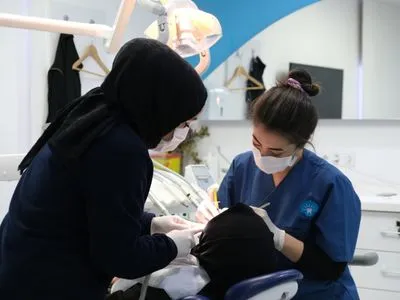
What is tooth filing?
Tooth filing, Dental reshaping is an aesthetic and orthodontic treatment method performed by dentists. This procedure is carried out to correct the shape, size, and position of teeth, to achieve a harmonious smile, or to correct irregularities between teeth. Dental reshaping can be effective in both aesthetic concerns and functional corrections.
Contents
- Why are teeth filed?
- How is the tooth filing process performed?
- How long does tooth filing take?
- Does filing teeth damage them?
- Can teeth filing be done at home?
- In which dental procedures is filing performed?
- Who can have a tooth filing procedure done?
- What are the advantages of tooth filing?
- What are the disadvantages of tooth filing?
- Things to Consider After Tooth Filing
- Tooth Filing Prices 2024
Why are teeth filed?
Tooth filing is generally performed for aesthetic corrections and orthodontic treatment. Primarily, aesthetic concerns may arise due to factors such as the shape, size, or spacing of the teeth. Tooth filing process, This helps the patient achieve a smoother and more attractive smile by correcting these aesthetic problems.
Secondly, tooth filing in orthodontic treatment, Dental filing can be performed to correct jaw misalignments or to ensure harmonious alignment of teeth. This can help the teeth establish a proper bite pattern and improve overall oral health. Dental filing is an effective dental procedure used to address both aesthetic concerns and provide functional corrections.
Tooth filing can also be used to smooth jagged tooth surfaces, correct bone irregularities, and improve overall smile aesthetics. This allows individuals to achieve a healthier and more aesthetically pleasing smile while maintaining their dental health. Dentists personalize the tooth filing process to suit each patient's individual needs and desires, ensuring the best possible results for every patient.
How is the tooth filing process performed?
Back or front tooth filing The procedure is usually performed by a dentist in a professional setting and involves the following steps:
- Examination and Evaluation: First, the dentist assesses the patient's oral health and determines whether filing is necessary. Tooth filing may be recommended for aesthetic corrections or orthodontic treatment.
- Local Anesthesia (Optional): Tooth filing is generally a painless procedure, but local anesthesia can be administered for the patient's comfort.
- Filing Procedure: Using a specialized filing device, the dentist gently removes a thin layer from the surface of the teeth. This is done to correct the shape, size, or position of the teeth. Tooth filing can be applied to smooth out jagged surfaces between teeth or to ensure teeth are aligned harmoniously.
- Final Check-up and Oral Care Recommendations: After the procedure is complete, the dentist will perform a final check-up and provide the patient with oral care recommendations, including important points to consider after tooth filing. A specific oral care routine may also be recommended if needed.
Tooth filing is generally a quick and effective procedure. However, since every patient is different, the dentist will tailor the treatment plan to the patient's individual needs. After the procedure, patients can usually return to their normal daily activities immediately.
How long does tooth filing take?
Tooth filing is generally performed quickly and effectively. However, the duration of the procedure can vary depending on several factors. Some factors that affect the duration of tooth filing are as follows:
- Number of Teeth to be Filed: The time it takes to file teeth can vary depending on the number of teeth to be filed. Filing a few teeth may take less time, while filing many teeth may take longer.
- Complexity of the Process: The complexity of the filing process also affects the duration. Filing for simple aesthetic corrections may take less time than filing for more complex orthodontic corrections.
- Patient Comfort and Needs: In some cases, local anesthesia may be administered for the patient's comfort. This may affect the duration of the procedure. Additionally, the patient's specific needs or preferences may also influence the duration.
Generally, filing down a single tooth takes between 10 and 30 minutes. However, in cases requiring more extensive corrections, the time can extend to an hour or an hour and a half. Patients can clarify their expectations by having a detailed discussion with their dentist about the duration and process before the tooth filing procedure.
Does filing teeth damage them?
When performed by expert dentists, tooth filing generally does not damage teeth. However, potential risks can arise if the procedure is performed excessively or improperly.
- Damage to Tooth Enamel: Excessive filing during tooth grinding can damage tooth enamel. Removing enamel can lead to tooth sensitivity and various dental problems.
- Temperature and Cold Sensitivity: Enamel erosion can cause teeth to become more sensitive to hot and cold stimuli. This means that teeth that have been filed down may be more susceptible to temperature changes in the mouth.
- Tooth Weakening: Excessive alteration of the tooth's natural structure during tooth grinding can reduce its durability. This can make teeth more prone to fracture or cracking.
- Orthodontic Problems: If tooth filing is performed as part of orthodontic treatment, incorrect execution of this procedure can prevent the teeth from aligning harmoniously.
Therefore, tooth filing should always be performed by a specialist dentist, and a personalized treatment plan should be created for each patient. The dentist determines the most appropriate amount of filing, taking into account the patient's overall dental health, oral structure, and specific needs, minimizing potential risks.
Can teeth filing be done at home?
Tooth filing is a specialized dental procedure and is not recommended to be done at home. It is important that dental procedures are performed by professional dentists. Here are some reasons why tooth filing should not be done at home:
- Requires Expertise: Tooth filing is a skill that requires training and experience from dentists. Properly filing teeth, making accurate aesthetic corrections, and protecting dental health all require expertise.
- Dental Health Risks: Improperly performed tooth filing can damage tooth enamel, lead to tooth sensitivity, and compromise the structural integrity of teeth. This can cause various problems in the mouth.
- Potential Pain and Discomfort: Tooth filing performed by unqualified individuals can lead to pain and discomfort. Furthermore, damage to the natural structure of the teeth can cause problems that cannot be corrected without professional intervention.
- Hygiene Problems: At-home teeth filing may not meet the hygiene standards provided in a professional setting. This can increase the risk of infection and negatively impact oral health.
For these reasons, tooth filing should always be performed by a qualified dentist. The dentist will help achieve the best results by creating a customized treatment plan according to the patient's needs. Practices like at-home tooth filing should be avoided, and professional help should be sought if any dental problems arise.
You too those who have had their teeth filed To join our team, you can schedule an appointment with one of İnci Dental's expert dentists.
 In which dental procedures is filing performed?
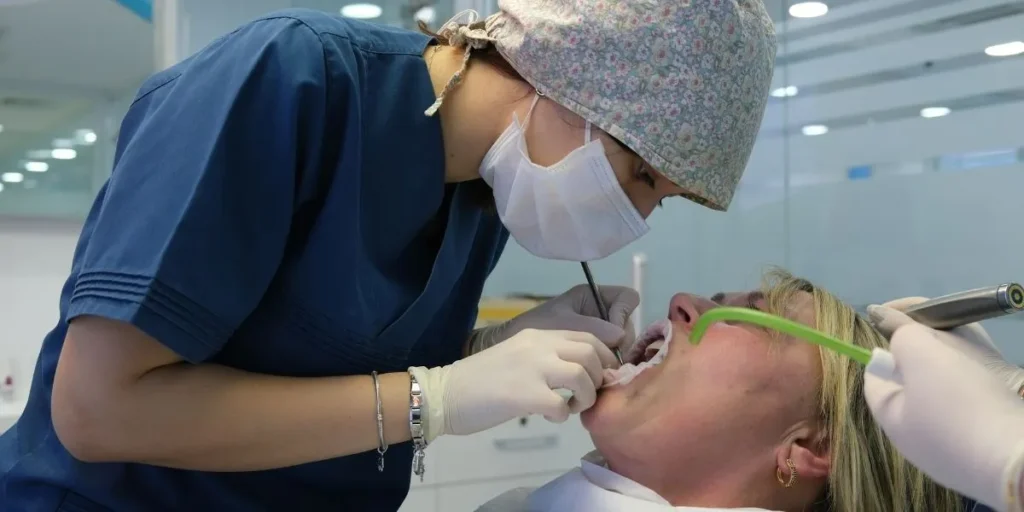 In which dental procedures is filing performed?
Tooth filing can be used in various dental procedures and is generally preferred in the following cases:
Aesthetic Corrections: Tooth filing is used for aesthetic purposes and can be applied to improve the symmetry, harmony, and order of a patient's smile. It is frequently used in aesthetic dentistry, particularly to close gaps between teeth or to correct the size and shape of teeth.
Orthodontic Treatments: Tooth filing can be performed as part of orthodontic treatment processes. It can be used to correct crooked or misaligned teeth, as well as to straighten teeth so that orthodontic appliances can work more effectively.
Dental Bone Correction: Tooth filing is a procedure performed to correct jaw structure discrepancies or to align the vertical positions of teeth. dental bone filing It is applicable in its processes.
Correction of Serrated Tooth Surfaces:Serrated tooth filing, This can be achieved through a tooth filing process. This can help make the teeth smoother and easier to clean.
Smile Design: Tooth reshaping can be used as part of overall smile design. By adjusting the proportions and harmony between teeth, it can improve the overall aesthetics of a patient's smile.
In any case, the tooth filing procedure is determined based on the patient's individual needs and treatment goals. A specialist dentist will evaluate the patient, create the most appropriate treatment plan, and perform the tooth filing procedure as needed.
Who can have a tooth filing procedure done?
Tooth filing procedures can generally be performed by individuals recommended by a dentist, based on the following situations and needs:
Those in Need of Cosmetic Correction: Individuals who are bothered by aesthetic problems in their smiles may opt for tooth filing for cosmetic corrections. This can be done to close gaps between teeth, correct tooth sizes, or ensure teeth are aligned harmoniously.
Patients Undergoing Orthodontic Treatment: Tooth filing can be performed as part of orthodontic treatment processes. It can be done to correct misalignments between teeth or to ensure orthodontic appliances work more effectively.
Those with Tooth-Bone Alignment Problems: Individuals who need their teeth corrected due to jaw structure discrepancies can undergo orthodontic bone reshaping (DBS). This procedure can help correct jaw structure problems.
For those seeking smile design: Individuals who want to have a smile redesign can adjust the proportions of their teeth through a tooth filing process, generally... smile aesthetics They can improve it.
People with Dental Health Problems: Individuals experiencing wear, cracks, or other structural problems in their teeth due to dental health issues can have teeth filing procedures to correct these problems.
In any case, tooth filing should be recommended and performed by a dentist. A specialist dentist will assess the patient's overall oral health and strive to achieve the best results by creating a treatment plan tailored to their individual needs.
What are the advantages of tooth filing?
Tooth filing offers a number of advantages, providing benefits in terms of aesthetics, function, and overall oral health. Some of the advantages of tooth filing are as follows:
- Improving Smile Aesthetics: Tooth filing involves performing aesthetic corrections such as closing gaps between teeth, resizing tooth sizes, or ensuring harmonious alignment of teeth. smile aesthetics It can significantly increase.
- Ensuring Harmony Between Teeth: Tooth filing corrects misalignments between teeth, restoring harmony in the jaw structure. This improves bite patterns and can help teeth function more healthily.
- Improving Chewing Function: Proper tooth alignment can improve chewing function. This can enhance the ability to chew and digest food more effectively.
- Maintaining Dental Health: Tooth filing protects dental health by smoothing out wear and tear and rough surfaces between teeth. This can reduce the risk of damage to tooth enamel and make teeth easier to clean.
- Supporting Orthodontic Treatment: Tooth filing can support orthodontic treatment processes. Correcting misalignments between teeth can help orthodontic appliances work more effectively.
- Achieving Aesthetic and Functional Balance: Tooth filing can be used to address both aesthetic concerns and to restore the functional balance of teeth. This both enhances smile aesthetics and supports oral health.
Since every patient's situation is different, tooth filing should be performed according to individual needs and treatment goals. A skilled dentist will evaluate the patient's condition, create the most appropriate treatment plan, and make the best use of the advantages.
What are the disadvantages of tooth filing?
While tooth filing offers several advantages, it also has some disadvantages. Potential drawbacks of tooth filing are as follows:
- Tooth Enamel Loss: During tooth filing, a thin layer of enamel is removed. Excessive filing can lead to permanent enamel loss. This can cause teeth to become sensitive and lead to various dental problems.
- Increased Sensitivity: After teeth filing, the sensitivity of teeth to hot and cold temperatures may increase. Filed teeth may become more susceptible to external factors.
- The process may be difficult to reverse: Tooth filing is generally an irreversible process. It is difficult to restore filed teeth to their original state. Therefore, careful evaluation before the procedure is important.
- Appearance Distortion Due to Improper Filing: If tooth filing is performed by a non-specialist or unnecessarily, it can cause undesirable changes in the appearance of the teeth.
- Dental Health Problems: The alterations made to teeth through filing can lead to problems that may harm dental health. Filing procedures, especially those performed to smooth out rough tooth surfaces, can reduce the teeth's natural protective mechanisms.
- Oral Care Becoming More Difficult: Correcting misaligned teeth can make brushing or flossing more difficult. This can make maintaining oral hygiene more challenging.
Since every patient's situation is different, careful evaluation and the opinion of a specialist dentist are important before any tooth filing procedure. The correct amount and method of filing should be chosen to minimize disadvantages.
Things to Consider After Tooth Filing
There are certain precautions to follow after a tooth filing procedure. These precautions are important to maintain the effectiveness of the procedure and prevent possible complications. Things to keep in mind after a tooth filing procedure are as follows:
Follow the doctor's instructions: It is important to follow your dentist's instructions exactly. These instructions may include information about oral care, medication use, or potential health problems.
Pay attention to oral hygiene: After tooth filing, special attention should be paid to dental hygiene. Regularly brushing your teeth, flossing, and rinsing with mouthwash are important to maintain the effectiveness of the procedure and reduce the risk of infection.
Avoid hot and cold food and drinks: After teeth are filed down, it should be considered that hot or cold foods and drinks may cause tooth sensitivity. In such cases of sensitivity, special toothpastes for tooth sensitivity can be used.
Seek medical attention for pain or discomfort:Sensitivity after tooth filing It is important to consult a dentist immediately if you experience excessive pain, discomfort, or any other adverse event.
Don't neglect regular checkups: It is important not to miss the periodic check-ups recommended by your dentist. These check-ups are performed to assess your dental health and the effectiveness of the filing process.
Using Special Oral Care Products After Tooth Filing: Your dentist may recommend special toothpastes or sensitivity-reducing products for use after a tooth filing procedure. Regularly using these products can support your dental health.
Because every patient is different, following your dentist's specific care guidelines and not neglecting regular check-ups is important for maintaining the effects of tooth filing.
Tooth Filing Prices 2024
Prices for tooth filing In 2024, the price varies depending on the number of teeth to be treated, the complexity of the procedure, and the dentist's location. Generally, tooth filing prices are calculated according to a fee schedule determined by the dentist.
Tooth filing process It is always important to get a detailed evaluation from a specialist dentist before undergoing any procedure. Remember that consulting a specialist dentist is the best choice to enhance your smile aesthetics and improve your dental health. Therefore, you can get detailed information about tooth filing procedures by making an appointment with the specialist dentists at İnci Diş.