



What causes tartar?
Dental health plays an important role in our overall health. Dental calculus, Tartar is a significant enemy of dental health. In this article, you will find detailed answers to questions such as what is tartar, what causes it, what are its symptoms, what are its harmful effects, and how can it be removed.
What is dental calculus?
Tartar is mineralized plaque that accumulates on the surface of teeth. Dental plaque forms when bacteria adhere to the tooth surface and harden over time with minerals. This hardened plaque is called tartar. Tartar is usually yellow or brown in color and can form at the gum line or between teeth.
What causes tartar?
Several key factors contribute to tartar formation. Understanding these factors is key to preventing and treating tartar buildup. What causes tartar?, The answer to that question is as follows:
- Plaque Formation: Tartar is actually formed by the mineralization of dental plaque. Dental plaque is a sticky layer formed on the tooth surface by bacteria in the mouth combining with food particles. Over time, plaque hardens and forms tartar.
- Poor Oral Hygiene: Poor oral hygiene is a significant factor triggering tartar formation. If plaque buildup cannot be prevented through adequate brushing, flossing, and mouthwash, tartar formation becomes inevitable.
- Mineral Composition: The mineral content of saliva affects tartar formation. Calcium, phosphorus, and other minerals in saliva influence plaque formation and mineralization. High mineral content can accelerate tartar formation.
- Genetic Factors: Some individuals may be genetically predisposed to tartar formation. Genetic factors such as tooth structure and saliva composition can influence tartar formation.
- Dietary Habits: Excessive consumption of sugary and starchy foods can increase bacterial growth, accelerating plaque formation. This, in turn, can facilitate the development of tartar.
- Cigarettes and Tobacco Products: Smoking and using tobacco products can increase tartar formation. These habits facilitate plaque buildup and can contribute to the formation of stains on the tooth surface.
Being aware of these factors is important to encourage individuals to practice regular oral hygiene and prevent tartar formation.
Symptoms of Dental Tartar
The symptoms of tartar formation usually start mildly and can worsen over time. These symptoms can help individuals notice the formation of tartar. Symptoms of tartar In general, it is as follows:
- Gum Recession: Tartar, when it forms near the gum line, can cause gum recession. This can make teeth appear longer and expose tooth roots.
- Bad Breath: Tartar can cause bad breath by increasing the buildup of bacteria in the mouth. Bad breath is often one of the symptoms of tartar.
- Gum Inflammation: Tartar can cause inflammation around the gums. Gum inflammation can manifest with symptoms such as redness, swelling, and tenderness.
- Gum Bleeding: Tartar can weaken the connection between the gums and teeth, leading to gum bleeding. Bleeding may be particularly noticeable during brushing or flossing.
- Yellowing or Staining of Teeth: Tartar can cause yellow, brown, or black stains to form on the surface of teeth. This can be an aesthetic problem.
- Tooth Sensitivity: Tartar can damage tooth enamel, leading to tooth sensitivity. Pain or sensitivity may be felt upon contact with hot or cold foods and drinks.
These symptoms, suggesting the presence of tartar, warrant a consultation with a dentist.
 What are the Dangers of Dental Tartar?
 What are the Dangers of Dental Tartar?
Tartar is not just an aesthetic problem; it can also lead to serious dental and gum health issues. The dangers of tartar In general, it is as follows:
Gum Diseases: Tartar can lead to inflammation and infections in the gums. Gum disease can cause gum recession, gum bleeding, and tooth loss.
Tooth Loss: Tartar buildup can lead to gum disease and tooth root damage. This can result in tooth loss, especially if tartar is left untreated.
Jawbone Damage: Tartar can damage the jawbone as gum disease progresses. This can lead to jawbone loss and weakening of the jaw structure.
Bad Breath: Tartar can increase bacterial buildup in the mouth, leading to bad breath. This can negatively impact social relationships.
Tooth Sensitivity: Tartar can damage tooth enamel, leading to tooth sensitivity. It can cause pain and discomfort when in contact with hot or cold foods and drinks.
Challenges in Oral Hygiene: Tartar, due to its rough surface, can increase plaque buildup on the tooth surface. This can make it difficult to use a toothbrush and dental floss effectively.
These damages highlight the seriousness of tartar formation and the importance of regular oral hygiene. Professional dental cleaning is an effective way to prevent tartar formation and minimize these damages. Is tartar harmful?, The answer to that question is, in this vein, it is harmful.
How is dental tartar removal performed?
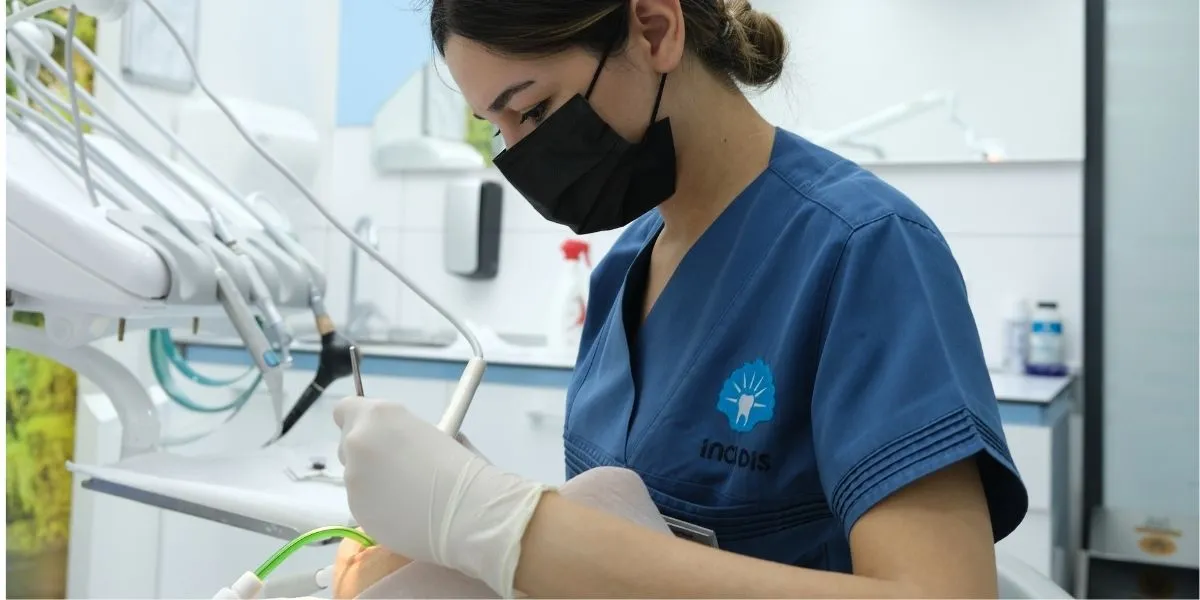
In a dental clinic, tartar removal is usually performed by a professional dentist or dental hygienist. The procedure includes the following steps:
Preliminary Assessment:
- Your dentist will examine your teeth and gums to assess the presence of tartar buildup.
- If necessary, they can take X-ray images or use other diagnostic tests.
Anesthesia Administration (Optional):
- Tartar removal is generally a painless procedure, but numbing gels or local anesthetics may be used for people with sensitive gums.
Ultrasonic Device Usage:
- Dental calculus removal is usually performed with a special device called an ultrasonic scaler. This device uses vibrating tips to break up and remove tartar.
Cleaning with Hand Tools:
- The dentist may use special hand instruments to remove tartar in more sensitive areas.
Air and Water Spraying:
- During cleaning, the dentist thoroughly cleans the teeth and removes debris by spraying water and air.
Smoothing Tooth Surfaces:
- After tartar removal, tooth surfaces can be smoothed, making it more difficult to prevent plaque buildup.
Fluoride Application (Optional):
- After the procedure, your dentist may apply fluoride to strengthen your teeth and prevent cavities.
Oral Hygiene Training:
- The dentist can offer advice to the patient on regular brushing, flossing, and oral hygiene.
Tartar removal is generally a painless procedure and is important for maintaining your oral health. Professional cleanings should be done regularly, usually twice a year.
You too can consult with the expert dentists at İnci Dental for tartar removal and schedule your treatment as quickly as possible.
Deep Tartar Removal (Curettage)
Deep tartar deposits can often be too hard and thick to be removed with routine home cleaning methods. In this case, professional deep tartar removal by a dentist is an important step. Deep tartar removal Here's what you need to know:
- Professional Assessment:
The first step in deep tartar removal is for your dentist to perform an assessment to determine the depth and location of the tartar. X-ray images are used to pinpoint the location of the tartar beneath the tooth.
- Ultrasonic Devices:
Dentists often use ultrasonic devices to remove deep tartar. These devices break up tartar using a high-frequency vibrating tip. They also clean the tartar with a water spray function.
- Hand Tools:
The dentist may also use special hand instruments to remove deep tartar. These instruments are designed to gently remove tartar below the gum line.
- Airflow Devices:
Airflow devices use air and water to remove stains and tartar from the surface of teeth. These devices provide effective cleaning, especially without damaging tooth enamel.
- Local anesthesia:
You may experience significant discomfort during deep tartar removal. To alleviate this, your dentist may administer a local anesthetic. This can help ensure a more comfortable experience during the procedure.
- Control and Monitoring:
After a deep tartar removal, your dentist may want to regularly check your dental health. These checkups are important for early detection and prevention of potential problems.
Deep tartar removal is a critical step in protecting dental and gum health. This procedure provides an effective way to prevent gum disease, prevent tooth loss, and improve oral hygiene.