



How are dental veneers made?
 Dental veneers are a procedure where a thin layer of veneer is placed on the front surface of the teeth. This procedure is used to correct the shape, size, color, and alignment of teeth and is preferred by many people who want to achieve an aesthetically pleasing smile. Additionally, dental veneers can be used to prevent wear and erosion of teeth or to repair decayed, cracked, or broken teeth. In this article, you can learn more about the dental veneer procedure., veneers You can learn about it.
Contents
- What are dental veneers?
- How are dental veneers made?
- Why are dental veneers used?
- Types of Dental Veneers
- Dental Veneer Prices
- How long does it take to get used to dental veneers?
- Dental Veneer Centers
- How to Clean Veneered Teeth?
- In what situations are dental veneers used?
- Is it possible to have a crown on a single tooth?
- How long does a single tooth veneer take?
- Are Veneer Teeth Good?
- Can a tooth be crowned with a crown when it's decayed?
- How is a crown made to replace an extracted tooth?
- Why do dental veneers fall out?
- When can I eat after getting dental veneers?
- How to Take Measurements for Dental Veneers?
What are dental veneers?
Dental veneers are thin layers placed on the front surface of teeth. These layers are usually made from materials such as porcelain or resin. Veneers can be used to change the shape, size, and color of teeth.
How are dental veneers made?
Dental veneer treatment usually requires two separate visits. During the first visit, the dentist prepares your teeth accordingly. During this process, a small amount of material is removed from the front surface of the teeth, and impressions are taken. These impressions are sent to a laboratory where the veneers are custom-made.
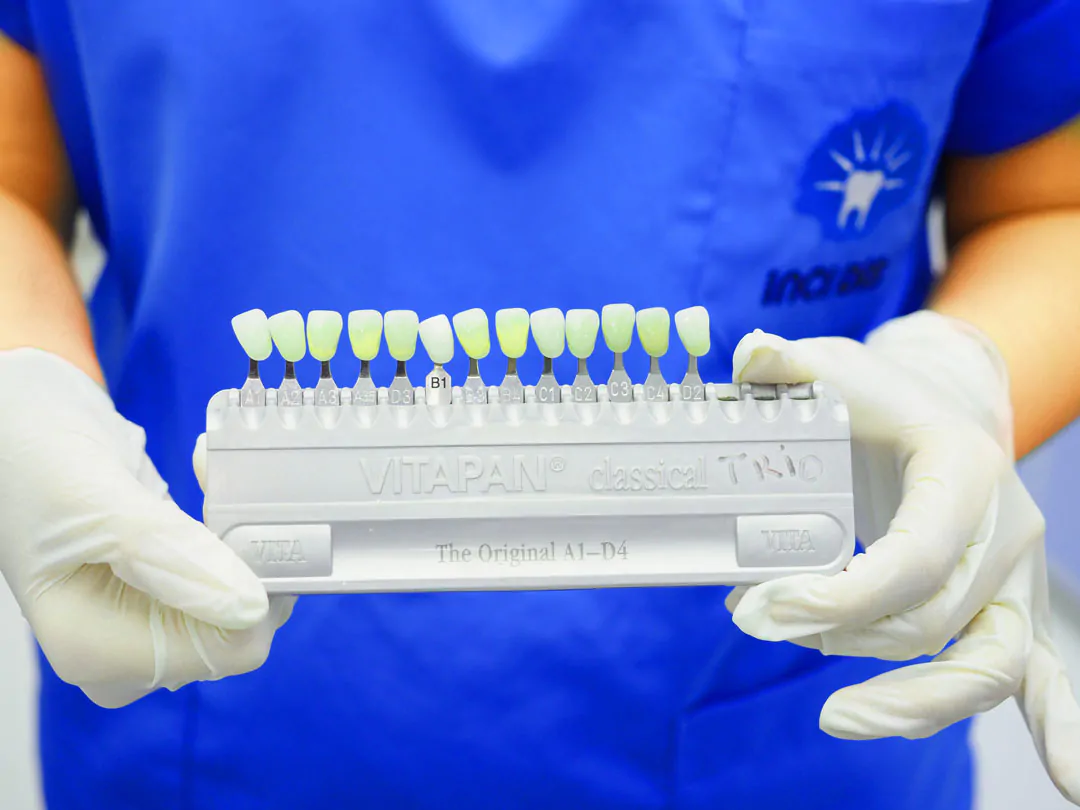
Dental veneer application is generally completed in two stages. The first stage is tooth preparation. The dentist removes a small amount of material from the front surface of the tooth to create space for the veneer. The purpose of this step is to ensure the veneer is placed correctly and maintains the natural size of the tooth. The dentist also takes impressions to match the color of the tooth.
The second stage is the placement of the veneer. Using the impressions, the dentist creates a custom-made veneer in the laboratory. The veneer is bonded to the front surface of the tooth and then a special light is used to harden it.
Dental veneers can be made of porcelain or composite material. Porcelain veneers are preferred because they are more durable and have a more natural appearance. Composite veneers can be a more economical option and can be done quickly. However, porcelain veneers require more time and expense.
Dental veneers are generally painless and performed under local anesthesia. After the veneer is applied, the dentist will provide advice on proper dental care and regular cleaning. The lifespan of the veneers depends on the patient's dental care and regular dental check-ups, and typically ranges from 5 to 10 years.
The process of getting dental veneers typically involves two or more visits to your dentist. Here's what you can expect during the procedure:
- Consultation: Your dentist will examine your damaged tooth and determine if a dental veneer is the best treatment option.
- Preparation: Your dentist will prepare your tooth by removing any damaged or decayed portions and shaping it to fit the veneer.
- Taking impressions: Your dentist will take an impression of your tooth to create a custom veneer.
- Temporary coating: A temporary coating may be applied while your permanent coating is being done.
- Fitting: Your dentist will fit and adjust the permanent veneer to ensure a comfortable and secure fit.
Dental veneers are a common and effective dental procedure to repair and protect damaged teeth. If you are considering getting dental veneers, it is important to understand their benefits, types, and the procedure involved. You can contact your dentist to learn more about whether dental veneers are right for you.
Why are dental veneers used?
Dental veneers are a procedure where a thin layer is placed on the front surface of the teeth. Dental veneers are used for a variety of aesthetic and functional purposes.
Some common causes include:
1. Correcting Tooth Discoloration: Dental veneers can be used to whiten teeth or remove stains. Tooth discoloration can occur over time, especially in smokers and those who consume colored foods like coffee, tea, or red wine.
2. Correcting the Shape and Size of Teeth: Dental veneers can be used to correct the shape and size of teeth. They can close gaps between teeth, repair cracks or fractures, and give teeth a more aesthetically pleasing appearance.
3. Tooth Protection: Dental veneers can also be used to prevent wear and erosion of teeth. Additionally, veneers can be applied to teeth to prevent thinning or decay.
4. Tooth Alignment: If teeth are slightly crooked or irregular, alignment can be achieved with veneers. This procedure can close gaps between teeth and provide a more even smile.
Dental veneers are a dental procedure performed by dentists and typically require two separate visits. During the first visit, the teeth are prepared and impressions are taken. During the second visit, the veneer is placed and adjusted appropriately.
Types of Dental Veneers
Dental veneers can be made in different styles to improve aesthetic appearance or repair tooth damage. There are various types of dental veneers, each with its own advantages and disadvantages. Dental veneer styles can be categorized as follows:
- Zirconium veneers: These teeth are porcelain veneers with a white metal core called zirconium. Zirconium makes the porcelain more durable and allows for longer use. These teeth can be designed to look very close to natural teeth.
- Empress veneers: Empress is a ceramic material used to give teeth a natural look. Empress veneers are custom-designed by a dentist and mimic the aesthetic qualities of natural teeth. Empress veneers are thinner and more durable than porcelain veneers.
- Veneers: Veneers are thin coatings placed only on the front surface of a tooth. These coatings can alter the color, shape, and size of the tooth while preserving its natural appearance. Veneers are generally made of porcelain or composite materials.
- Porcelain veneers: These veneers are made from porcelain and are a popular choice due to their natural appearance.
- Metal coatings: Metal coatings are made from materials such as gold, nickel, or chrome and are often recommended for back teeth due to their durability.
- Porcelain fused metal (PFM) coatings: These coatings are a combination of porcelain and metal, offering both durability and a natural look.
 Dental Veneer Prices
 Dental Veneer Prices
Dental veneers can generally be more expensive than other dental treatments. However, İnci Dental Clinic aims to make the treatment more accessible by offering affordable prices. The cost of dental veneers can vary depending on the area being treated and the materials used. Therefore, before considering dental veneers, it's important to be informed about the clinics' pricing policies, the details of the treatment, and your specific needs.
How long does it take to get used to dental veneers?
Getting used to veneers can vary from person to person, but the adjustment period is usually completed within a few days or weeks. Veneers may create a foreign body sensation in your mouth, and you may experience adjustment during the first few days while speaking, chewing, and brushing your teeth. You may also feel some sensitivity under your veneers. However, this sensitivity is usually short-lived and decreases over time.
Dental Veneer Centers
Dental veneers are a cosmetic dental treatment used to make your teeth look whiter, more attractive, and more even. Pearl Dental clinics, Our clinics offer superior quality service with dentists and specialists who provide dental veneer treatment. Our clinics operate as dental clinics that also offer aesthetic dentistry services.
Inci Dental Clinics offer many different types of dental veneers. These include porcelain veneers, zirconium veneers, Empress veneers, and laminate veneers. Inci Dental Clinics will recommend the most suitable dental veneer treatment for you based on the condition of your teeth, your aesthetic goals, and your budget.
You can easily access more detailed information about our clinics and dental veneers through our website.
How to Clean Veneered Teeth?
Veneers should be brushed regularly, just like natural teeth. Brushing will help remove plaque and bacteria from your teeth. However, there are some important points to consider when brushing your veneers:
- Use a soft toothbrush.
- Use fluoride toothpaste.
- Use dental floss.
- Use mouthwash.
- Get regular dental checkups.
In what situations are dental veneers used?
Dental veneers can be used for many different reasons, such as achieving an aesthetic appearance, correcting the shape and color of teeth, or repairing damaged teeth. In some cases, veneers can be applied to remove stains or discoloration from teeth. They can also be used to treat cavities or repair cracks in teeth. Filling gaps or changing the size and shape of teeth is also possible with veneers.
Is it possible to have a crown on a single tooth?
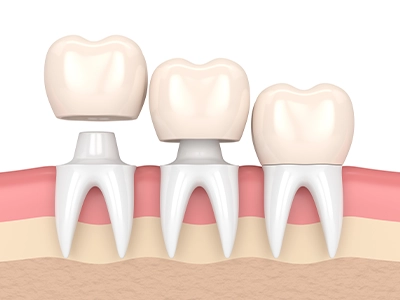
A single tooth can be veneered. This is usually done to correct a problem in the tooth such as decay, fracture, discoloration, or deformity. Dental veneers are applied to restore the function and aesthetics of the tooth while preserving its original structure. Single tooth veneers are usually made of durable materials such as porcelain or ceramic and can be colored to match the natural tooth color.
How long does a single tooth veneer take?
A single tooth veneer application can usually be completed within a few hours. First, the dentist will remove some tissue from the top of the tooth to determine its shape and size. Then, an impression of the tooth will be taken, and a custom-made veneer will be prepared by the laboratory. This process typically takes several days.
Once the veneer is ready, the dentist will remove the temporary veneer and properly place the new veneer on the tooth. The veneer will be attached to the tooth with a special adhesive, and finally, the dentist will make any necessary adjustments. This process usually takes a few hours, and the patient can go home the same day.
Are Veneer Teeth Good?
Dental veneers are a procedure performed to achieve an aesthetic appearance or to alter the shape and size of teeth. Whether they are good or bad depends entirely on whether the procedure is done correctly and on the individual's needs. The materials used in dental veneers are extremely durable and, with proper care, can last for many years. However, if the procedure is done incorrectly or if proper care is taken, veneers, like other teeth, can decay or be damaged. Therefore, it is important to choose a good dentist, ensure the use of the correct materials, and maintain regular dental care before getting dental veneers.
Can a tooth be crowned with a crown when it's decayed?
A crown cannot be placed on a decayed tooth. First, the decay is treated, ensuring the tooth has a sound structure. Only then can a crown be applied. However, having a decayed tooth does not prevent the application of a dental crown. The treatment plan is determined according to the condition of the tooth and the extent of the decay.
How is a crown made to replace an extracted tooth?
A crown cannot be placed in the place of an extracted tooth. A crown is a procedure applied to the tooth and is done to cover the existing tooth. However, different treatment methods such as implants, bridges, or dentures can be used to replace an extracted tooth. These methods may vary depending on the patient's condition and the extent of the tooth loss. Therefore, it is important to discuss the most suitable treatment method for you with your dentist.
Why do dental veneers fall out?
Dental veneersBecause dental implants are attached to the tooth surface using adhesive, they may fall off in some cases. The main reasons for this are as follows:
- Consuming foods that damage the adhesive
- Insufficient cleaning of the tooth surface
- Insufficient adhesive usage
- Applying too much force
If your dental crown falls out, you need to contact your dentist to find out if it needs to be replaced or if a new crown is needed.
When can I eat after getting dental veneers?
Dental veneers typically take 2-3 sessions, each lasting about an hour. Eating immediately after the veneer application is not recommended. Depending on your dentist's advice, you may only consume liquids for the first few hours. You may also need to wait 24 hours for the materials used to fully harden. During this time, avoid applying excessive pressure to the teeth before the adhesive is fully set. Your dentist will help you determine the most suitable dietary plan.
How to Take Measurements for Dental Veneers?
Taking impressions for dental veneers is done by a dentist and usually involves the following steps:
- Dental examination
- Dental preparation
- Temporary coating
- Laboratory process
- Permanent veneer dental application
You might also be interested in: Composite Filling What is it? How is it done?