



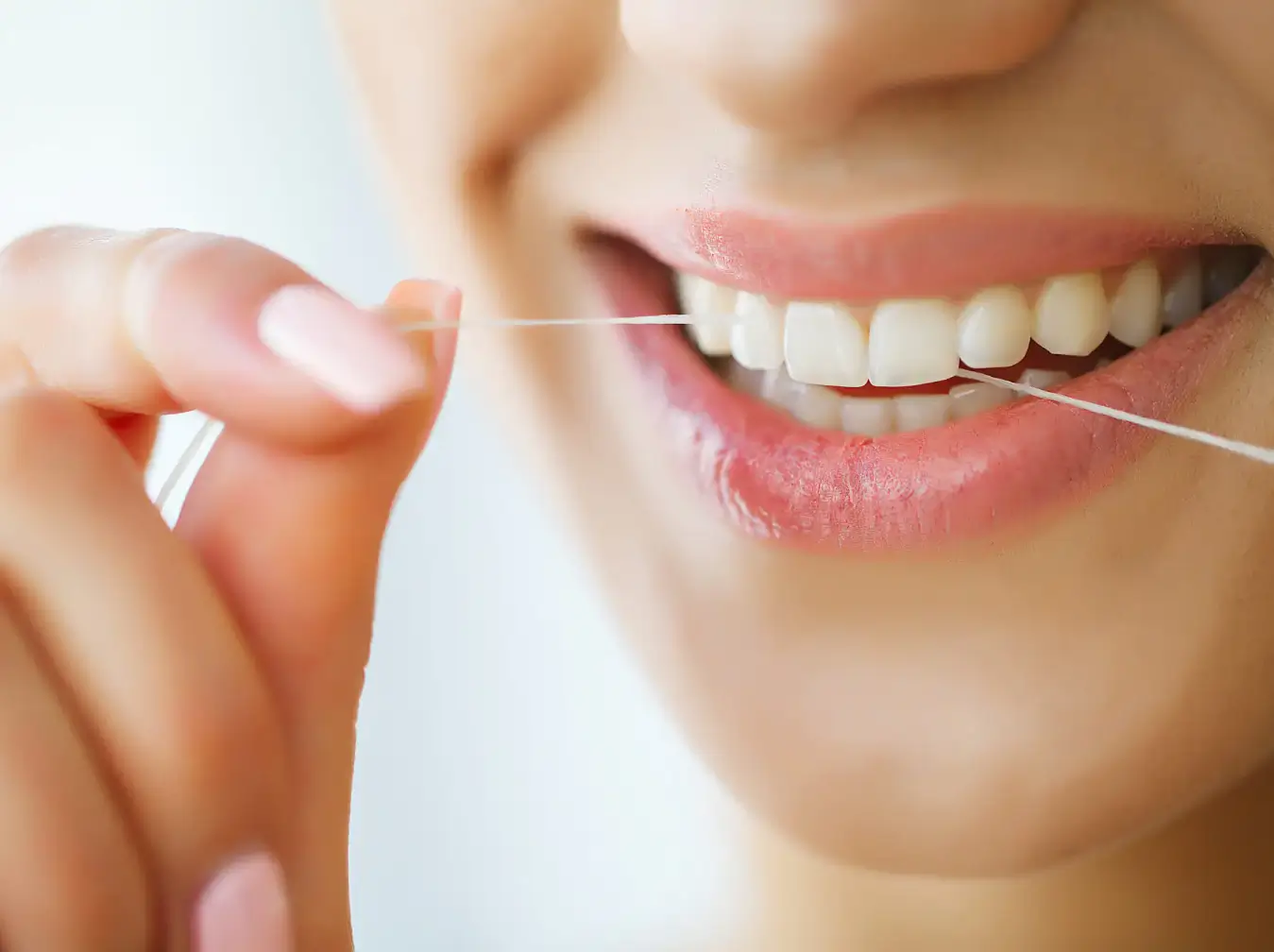
The Importance of Using Dental Floss
An important part of daily dental care. using dental floss, Dental floss has become an indispensable element of maintaining your oral and dental health. In this blog post, we will examine the benefits of using dental floss in detail. By learning about ideal dental floss options and correct usage techniques, you can take a step towards a healthy smile.
Contents
What is dental floss?
Dental floss is a thin, flexible material used to remove plaque, food particles, and bacteria that accumulate in the spaces between teeth and gums. It was developed to provide effective cleaning in narrow and sensitive areas that toothbrushes cannot reach.
Dental floss, usually made from yarn, nylon, or polyethylene, comes in various types and specifications. Using dental floss helps prevent tooth decay and gum problems, as well as improving oral hygiene and contributing to overall health.
Dental floss, when used in conjunction with regular brushing, improves oral hygiene and supports dental health. Important for cleaning between teeth, dental floss prevents plaque buildup, effectively reducing the risk of tooth decay and gum disease.
Types of Dental Floss
Dental floss, used to maintain oral and dental health, comes in various types and features. These options, which can be chosen according to needs and preferences, offer effective cleaning and comfort. Types of dental floss In general, it is as follows:
Waxed Dental Floss
Waxed dental floss, It has a special coating to facilitate the passage between teeth. Its waxed structure allows dental floss to pass more easily between teeth. This helps to effectively remove plaque and debris.
Toothpick Dental Floss
Toothpick dental floss, With its thin and durable structure, it cleans away debris between teeth. It also strengthens gums and increases blood circulation. Toothpick dental floss is an ideal option for those with sensitive gums.
Dental floss under the bridge, This dental floss is especially suitable for those with dental restorations such as dentures or bridges. Its fine structure allows for effective cleaning without damaging these structures. Thanks to its special design, under-bridge dental floss reduces plaque buildup in hard-to-reach areas.
Forked Dental Floss
Forked dental floss, It is specially designed to clean wide spaces between teeth. Its forked structure allows the dental floss to reach wider areas more effectively. This is ideal especially for people with wider gaps between their teeth.
When choosing dental floss, individuals should consider factors such as tooth spacing, gum sensitivity, and personal preferences. Using the correct dental floss is an important step in maximizing your oral health.
How to Use Dental Floss?
Using dental floss is most effective when done with the correct techniques. Here's a step-by-step guide to flossing:
- Choosing the Right Dental Floss: Choose dental floss that fits the spaces between your teeth. Select the type that best suits your needs from options like waxed, toothpick-shaped, or fork-shaped floss.
- Cutting to Sufficient Length: Use a piece of dental floss about 45 cm long and wrap both ends around your thumbs. Your middle fingers will help guide the floss by holding it.
- Careful Transition: Carefully thread the dental floss between your teeth. Be gentle to avoid damaging your gums and move the floss around the tooth in a "C" shape.
- Upward and Downward Movement: Remove plaque and debris between each tooth by moving the dental floss up and down. Remember to wrap the floss around the tooth to clean both sides.
- Using Dental Floss Cleanly: Continue by using a clean area for each tooth space. Using clean dental floss ensures effective cleaning.
- Rinsing After Flossing: After brushing and flossing, rinse your mouth with water to complete the process. Using it with toothpaste is recommended to support oral hygiene.
Using dental floss helps prevent tooth decay and supports gum health by removing plaque and debris between your teeth. For the most effective results, combine flossing with regular brushing and make it a part of your daily dental care routine.
What is dental floss used for?
Dental floss is an effective cleaning tool that plays a critical role in oral and dental health. Here are some of the benefits of using dental floss:
- Removes Plaque and Debris: It effectively cleans plaque and food particles from narrow and sensitive areas that toothbrushes cannot reach. This helps prevent tooth decay and gum disease.
- Supports Gum Health: Removing bacteria and plaque that accumulate between the gums supports gum health. Using dental floss can reduce gum inflammation and improve blood circulation.
- Reduces Bad Breath: It reduces bad breath by preventing bacterial buildup between teeth. Clean spaces between teeth help maintain fresh breath.
- Prevents discoloration between teeth: Using dental floss prevents discoloration between teeth. This helps teeth look whiter and more aesthetically pleasing.
- Prevents Tooth Decay: Dental floss reduces plaque buildup between teeth, lowering the risk of tooth decay. This complements your dentist's recommended dental care routine, helping to maintain long-term oral health.
Benefits of dental floss It is extremely important; dental floss prevents various oral health problems by cleaning between teeth. When combined with regular brushing, flossing contributes to a healthy smile and strong teeth.
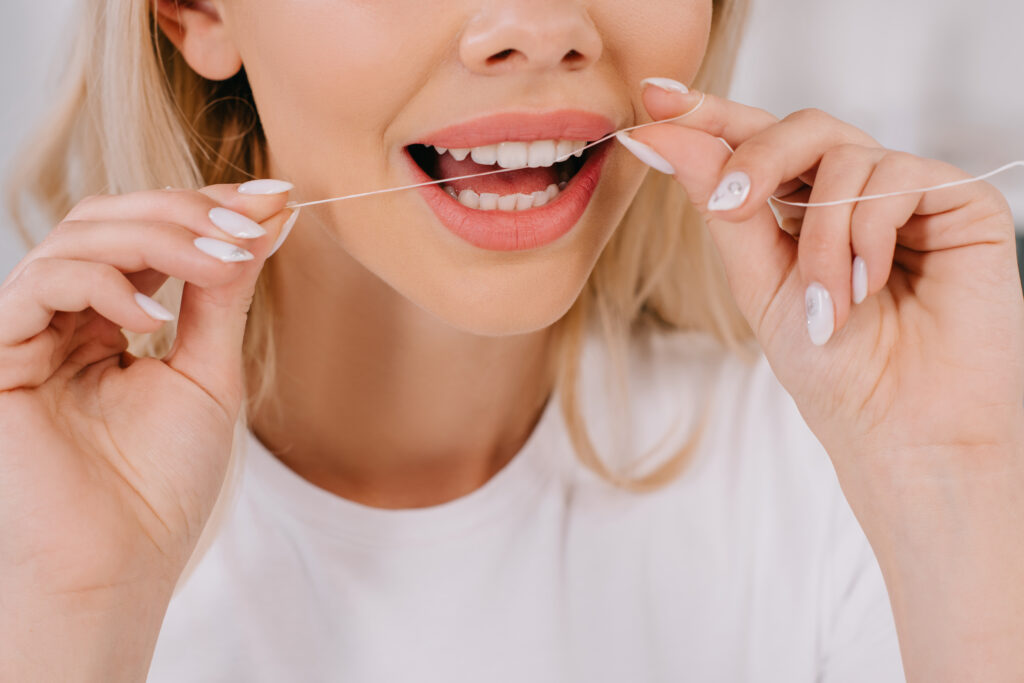
When should dental floss be used?
Dental floss should be used regularly to ensure complete oral hygiene. Here are the best times to use dental floss:
- Every day: Dental floss should be used regularly every day. This helps prevent tooth decay and gum disease by minimizing plaque buildup between teeth.
- Before or After Brushing Your Teeth: Using dental floss before or after brushing can improve cleaning effectiveness. While a toothbrush cleans the surfaces of your teeth, dental floss removes debris that accumulates in the spaces between your teeth.
- Between Meals: Using dental floss is important to remove food particles that accumulate between your teeth after eating. This can reduce plaque buildup, especially by completing your cleaning between meals.
- At the end of the day: Using dental floss at the end of the day after brushing your teeth helps maintain your oral health by removing plaque that builds up between your teeth overnight.
- In Special Cases: Flossing becomes even more important in cases such as gum disease, orthodontic use, or dental restorations. These conditions may require special care, and you may need to floss as often as your dentist recommends.
Dental floss should be an integral part of your daily dental care routine. When used regularly every day, it ensures optimal oral health by cleaning between your teeth. You can choose the best dental floss for your teeth in consultation with your dentist. Contact the expert dentists at İnci Diş to start using dental floss today!