



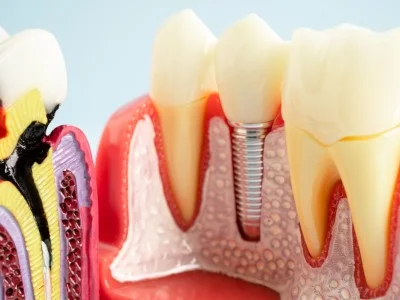
Do dental implants provide the feeling of real teeth?
Today, dental implants offer an effective solution for many people experiencing tooth loss. Implant placement not only replaces lost teeth but also aims to replicate the feel of natural teeth. But do dental implants really feel like natural teeth? Finding the answer to this question is crucial for those who care about their dental health.
Contents
- Do dental implants feel like natural teeth?
- The Perceived Differences Between Dental Implants and Natural Teeth
- Watch this video on YouTube
- Feelings After Dental Implants: Comfortable or Noticeable?
- How Comfortable Are Dental Implants in Daily Life?
- The Realistic Tooth Feeling Provided by Implants: Expectations and Realities
- The Comfort Felt with Dental Implants: A Comparison to Real Teeth
Do dental implants feel like natural teeth?
Dental implants are prosthetic teeth placed on titanium screws that are inserted into the jawbone and fuse over time. This process mimics the function of a natural tooth root. The sensation of dental implants is generally very similar to natural teeth because the strong connection between the implant and the jawbone makes it feel like a natural structure. However, each individual's experience can vary, and the differences felt can also differ from person to person.
One of the most important factors in implants providing a realistic tooth feel is their direct connection to the bone. Unlike other prosthetic tooth options, their stable positioning and the stability they provide during chewing make implants popular.
The Perceived Differences Between Dental Implants and Natural Teeth
While dental implants offer many similarities to natural teeth, some differences cannot be ignored. The sensation of implant teeth can vary depending on the duration of use and habits. Below, let's examine the differences in sensation between implant teeth and natural teeth in detail.
- Sensory PerceptionNatural teeth sense stimuli like heat and pressure thanks to nerves in the tooth roots. Since implants lack this nerve connection, they don't experience the same sensitivity to hot or cold foods. However, most users eventually stop noticing this difference over time.
- Chewing ForceNatural teeth distribute chewing force more naturally due to their bone and root structure. Although implant teeth are fixed to the jawbone with titanium screws, this distribution may differ slightly. This generally keeps the difference felt while chewing food minimal.
- Sensitivity and ResponseWhile natural teeth react more quickly to sudden movements or pressure, implants transmit these reactions without being directly felt. Post-implant sensation, especially in the initial period, may feel like there is a foreign object. However, this sensation largely disappears after bone fusion is complete.
- Aesthetics and AppearanceNatural teeth have a unique structure, and each tooth has its own characteristics. Implants can be designed to closely resemble natural teeth; however, this difference can sometimes be noticed upon close observation. Nevertheless, aesthetically, implants are difficult for most people to distinguish from natural teeth.
- Voice and SpeechThe positioning and arrangement of natural teeth affect the production of sounds during speech. If implant teeth are placed correctly, they are generally imperceptible during speech. However, some minor differences in sound may occur during the initial adaptation period.
These differences between dental implants and natural teeth become subtle details that are barely noticeable over time as people get used to them. Both types of teeth provide long-term comfort and aesthetics with proper care. For those considering implants, being aware of these differences will help them have a more informed experience throughout the process.

Feelings After Dental Implants: Comfortable or Noticeable?
While the comfort level of dental implants varies from person to person, it is generally high. Initially, the sensation after implantation may include slight sensitivity due to the healing process of the surrounding gums. However, this sensitivity usually disappears quickly, and the person begins to use the implants as if they were natural teeth.
The implant is expected to fully fuse with the jawbone, especially in the first few months. During this time, a slight adjustment period may occur, varying depending on the implant placement. Nevertheless, the sensation after the implant becomes much more natural over time, and the person forgets the difference.
Once the initial healing process is complete, it is quite easy to get used to the feeling of the implants. In terms of daily functionality, implants behave like real teeth, improving the quality of life for users.
How Comfortable Are Dental Implants in Daily Life?
Implants offer a high level of comfort in daily life. This is because implants are made from materials compatible with the gums and bone. Eating and drinking habits continue as with natural teeth, and generally, no noticeable discomfort is experienced.
Unlike dentures, dental implants have a fixed and reliable structure. Dental implants offer users freedom of sensation during daily activities and stand out for their ability to remain stable in the mouth.
-
- Comfort and stabilityThe implants do not slip, which provides comfort, especially during chewing.
- Natural feelingMost users find it difficult to distinguish implants from their real teeth.
- Long-lasting durabilityWith proper care, dental implants can be used comfortably for many years.
- Ease of speechThe implants remaining stable during speech ensures accurate pronunciation of words and instills confidence in the user.
- Strong chewing functionImplants allow you to chew hard foods comfortably and offer chewing power similar to natural teeth.
- Gum-friendly formulaImplants are compatible with gums and therefore do not cause irritation.
- Aesthetic appearanceIt preserves smile aesthetics by providing a look close to natural teeth and increases self-confidence in daily life.
- Not experiencing smell and taste problems.Well-placed implants do not cause changes in mouth odor or taste.
- Ease of maintenanceLike natural teeth, it can be cleaned with dental floss and brushing; it requires no additional care.
- Stability in intraoral movementsUnlike dentures, implants do not move, which provides extra comfort when eating or smiling.
Dental implants also provide security during speech. Their non-slip structure facilitates the correct pronunciation of vowels.
 The Realistic Tooth Feeling Provided by Implants: Expectations and Realities
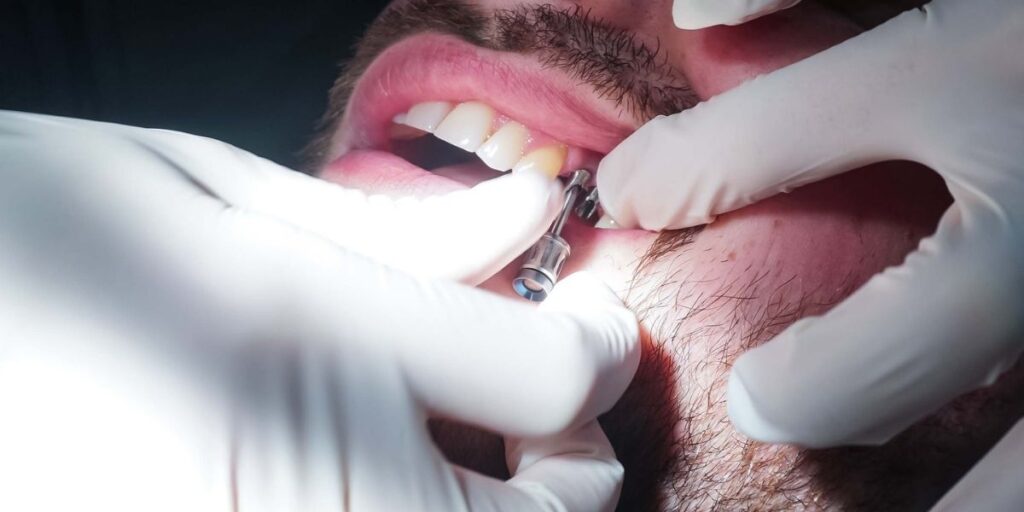 The Realistic Tooth Feeling Provided by Implants: Expectations and Realities
The sensation provided by implants is satisfying when compared to real teeth. Expectations are generally for the implants to feel like natural tooth roots, and implants largely meet this expectation. The chewing force distribution of implants is also close to that of natural teeth, which results in less stress during chewing.
However, some patients may notice a different reaction to hot and cold foods compared to natural teeth. This is due to the lack of nerve connections in dental implants. Nevertheless, the sensation after implantation is quite similar to real teeth in terms of aesthetics and functionality.
The Comfort Felt with Dental Implants: A Comparison to Real Teeth
In a comparison between dental implants and natural teeth, implants offer a level of comfort quite similar to natural teeth. Although implants lack the nerve connections of natural teeth, they are designed to provide long-term comfort. Most patients experience such a natural feel that they completely forget the presence of their implants within a few months.
With proper care, implants can be used without problems for many years. If oral hygiene is maintained, implants will have a long lifespan and offer an experience close to that of natural teeth.
You can quickly schedule an appointment with the expert dentists at İnci Diş to learn more about dental implants or to plan your implant treatment.