



What causes gum recession?
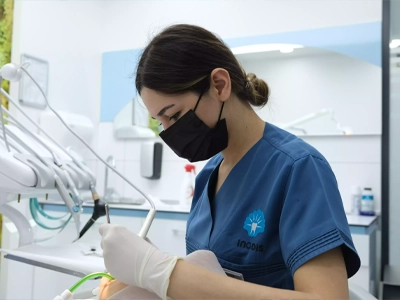
Gum recession, Gum recession generally refers to the condition where the gums recede or fall back. This is a problem that can have serious effects on oral health. It is important to have accurate information about the symptoms, causes, and treatment options related to gum recession. In this article, you will find details about gum recession.
Contents
- What is Gum Recession?
- How to Recognize Gum Recession and What Are Its Symptoms?
- What are the causes of gum recession?
- Causes of Gum Recession in Dental Bridges
- Causes of Gum Recession During Pregnancy
- Causes of Postpartum Gum Recession
- Gum Recession Treatment
- What happens if gum recession is left untreated?
- How to Prevent Gum Recession?
- Cost of Gum Recession Treatment
What is Gum Recession?
Gum recession is a condition characterized by the receding of the gums from the tooth roots. This can lead to increased exposure of the teeth and thinning of the gums. What is gum recession?, Asking this question is the first step to understanding this condition. Gum recession means that the gums deteriorate from a healthy state and lose their ability to support the tooth roots.
How to Recognize Gum Recession and What Are Its Symptoms?
Gum recession is often a silent process and may not be noticed initially. However, symptoms may appear over time, and if left undetected, it can progress. Knowing how to recognize gum recession and what its symptoms are is important for early intervention. Symptoms of gum recession It may manifest as follows:
- Exposure of Tooth Roots: The most noticeable sign of gum recession is increased exposure of the tooth roots. You may notice that the gum is further back than normal under the teeth.
- Tooth Sensitivity and Pain: Gum recession can cause sensitivity and pain in the teeth. You may feel pain especially when in contact with hot, cold, or sweet foods and drinks.
- Bleeding Gums: Gum recession can lead to thinning and weakening of the gums, causing slight bleeding when brushing or flossing.
- Gum Color Changes: Healthy gums are typically pink and full. With gum recession, the gums may appear paler and thinner.
- Increased Space Between Teeth: Gum recession can cause the spaces between teeth to increase, making them appear further apart.
Like this, How to recognize gum recession, We have provided the answer. These symptoms indicate the onset of gum recession, and it is important to consult a dentist when you notice this. Early intervention can prevent the progression of gum recession and allow the problem to be controlled with treatment options. If you have any concerns about the symptoms of gum recession, you can easily resolve the problem by quickly scheduling an appointment with the expert dentists at İnci Dental.
What are the causes of gum recession?
Gum recession is a problem that can arise from a combination of many different factors. Understanding the underlying causes of gum recession is important for taking preventive measures and determining appropriate treatment methods. Causes of gum recession It is as follows:
- Tartar and Plaque Accumulation: Plaque and tartar that build up on tooth surfaces irritate the gums and can lead to inflammation. Long-term plaque and tartar buildup can cause gum recession.
- Periodontal Diseases: Gum diseases such as gingivitis and periodontitis can cause inflammation and recession of the gums. These diseases weaken the gum tissues, exposing the tooth roots.
- Hormonal Changes: Hormonal changes such as those during puberty, pregnancy, and menopause can result in gum sensitivity and recession. Increased hormone levels, particularly during pregnancy, can affect gum health.
- Genetic Factors: Individuals with a family history of gum recession may experience similar problems due to the influence of genetic factors. Genetic predisposition can affect susceptibility to gum health.
- Incorrect Brushing Techniques: Brushing too hard or using incorrect brushing techniques can damage the gums. This can lead to gum recession and increased sensitivity.
- Poor Oral Hygiene: Insufficient brushing, flossing, or irregular dental checkups can negatively affect gum health and lead to gum recession.
- Dental Procedures and Injuries: Dental procedures such as excessive tartar removal, tooth extraction, or fillings can damage the gums and cause them to recede. Additionally, traumatic injuries to the teeth can also lead to gum recession.
These reasons represent common causes of gum recession. Each individual's situation is different, so it's important to address the issue of gum recession in a personalized way.
Causes of Gum Recession in Dental Bridges
Dental bridges are a type of prosthesis used to fill a gap between teeth and support a missing tooth. However, bridge applications can also be susceptible to certain factors that can cause gum recession. Bridge gum recession The main reasons are as follows:
Pressure applied to the gumsBridge prostheses can cause a certain amount of pressure on the gums. This pressure can lead to weakening and recession of the gums over time. Gum sensitivity may increase, especially during or after the application of bridge prostheses.
Errors in Bridge DesignIn cases of poorly designed or ill-fitting bridge prostheses, extra pressure can be placed on the gums. This can lead to gum recession.
Hardness Formation at Bridge EdgesThe hard edges around bridge teeth can damage the gums and cause them to recede. It is important to regularly check the edges of the prosthesis and adjust them if necessary. Gum recession in crowns It can also cause harm in the same way.
Gum InfectionsBridge dental prostheses require special attention to oral hygiene. Gum infections can accumulate under the bridge, affecting the gums and leading to gum recession.
Unsuitable Bridge MaterialsThe material used to make a bridge prosthesis can cause various reactions if it is not compatible with the gums. These reactions can lead to problems such as gum inflammation and recession.
Excessively forceful toothbrushingDental bridges require proper care and cleaning. However, brushing too vigorously can damage the gums surrounding the bridge and cause them to recede.
For these reasons, regular dental checkups and appropriate care measures should be taken to prevent gum recession caused by bridges. Proper design of the bridge prosthesis, selection of suitable materials, and attention to oral hygiene are important for protecting gum health.
Causes of Gum Recession During Pregnancy
Pregnancy causes a number of hormonal changes in a woman's body, and these changes can affect oral health. Gum recession during pregnancy, Gum recession, especially during pregnancy, can occur due to hormonal fluctuations. Below are the main factors that cause gum recession during pregnancy:
Hormonal Changes: During pregnancy, the body experiences an increase in hormones, particularly estrogen and progesterone. This increase in hormones can lead to increased blood flow and sensitivity in the gums. This, in turn, can increase the tendency for gum recession.
- Pregnancy Gingivitis: Due to hormonal changes, a type of gum inflammation called pregnancy gingivitis can occur. In this condition, the gums may become swollen, red, and receding.
- Changes in Oral Hygiene Habits: During pregnancy, conditions such as nausea and vomiting can make it difficult to maintain oral hygiene. This can pave the way for gum recession.
- Increased Tartar and Plaque: Changes in oral secretions due to hormonal changes during pregnancy can increase the formation of tartar and plaque. This can lead to inflammation and receding gums.
- Pregnancy Complications: Certain health problems that develop during pregnancy, particularly conditions like preeclampsia, can negatively affect gum health and lead to gum recession.
Gum recession during pregnancy is usually a temporary condition and tends to resolve after childbirth.
Causes of Postpartum Gum Recession
The postpartum period is a time of hormonal fluctuations in women's bodies. During this time, changes in hormone levels and stress, in particular, can affect gum health. Gum recession during pregnancy In addition to this process, gum recession can occur due to the following reasons:
- Fatigue and Stress: The postpartum period can be physically and emotionally challenging for a new mother. Lack of sleep, stress, and fatigue can contribute to receding gums.
- Breastfeeding Process: Hormonal changes occur during breastfeeding, which can affect the gums. It can also be difficult to maintain oral hygiene while breastfeeding.
- Malnutrition: Changes in eating habits after childbirth can lead to vitamin and mineral deficiencies. This can negatively affect gum health. Also... iron deficiency gum recession It is among the reasons.
Postpartum gum recession It is usually a temporary condition, but it is important to take care of your dental health during this period. Regular dental checkups, proper oral hygiene habits, and a healthy diet are important factors in protecting gum health.
Beginning of gum recession This is extremely important. By contacting a specialist dentist quickly during this process, you can stop the problem from progressing.
 Gum Recession Treatment
 Gum Recession Treatment
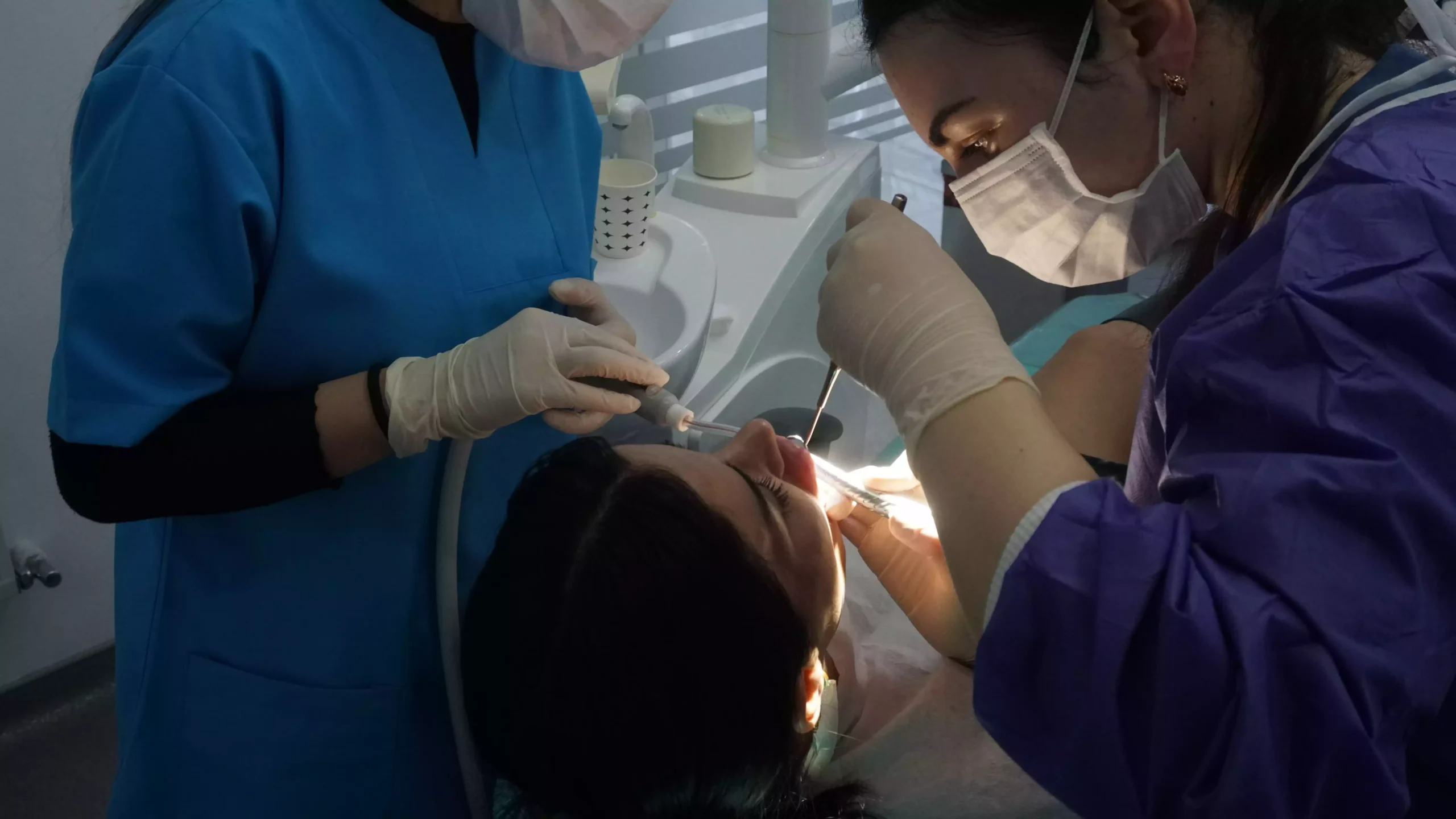
Gum recession can lead to serious problems if not diagnosed and treated in the early stages. Gum recession treatment, This varies depending on the patient's condition. How is gum recession treated?, You can find the answer to that question below:
Professional Dental Cleaning:
Gum recession is usually caused by tartar and plaque buildup. Professional dental cleaning is a specialized cleaning procedure performed by a dentist. This process removes bacterial buildup that irritates the gums and helps the gums heal healthily. Solutions for gum recession It is among the most preferred options.
Toothbrushing and Flossing:
Proper brushing techniques and regular flossing are an important part of preventing and treating gum recession. Brushing gently with circular motions supports gum health.
Antibacterial Mouthwashes:
Antibacterial mouthwashes used to treat receding gums can help protect gums by reducing the amount of bacteria in the mouth. However, it is important to consult a dentist before using them. For gum recession Using mouthwash can be a temporary solution.
Dental Prostheses and Veneers:
Missing teeth or ill-fitting dental prostheses can cause gum recession. In this case, correction or replacement of dental prostheses or veneers may be considered.
Gum Graft:
In cases of severe gum recession, gum grafting may be considered. In this procedure, tissue or synthetic material taken from another area is placed in the receding gum area. This can regenerate and strengthen the gums.
Drug Treatment:
In cases of inflammation that causes gum recession, a dentist may prescribe antibiotics or anti-inflammatory drugs. These medications can help improve gum health by reducing inflammation.
Regular Dental Checkups:
It is important for individuals with receding gums to have regular dental checkups. These checkups can help detect and treat potential problems early.
Gum Recession Surgery:
Gum recession surgery is a surgical procedure performed to treat conditions where the gums have receded.. Gum recession surgery This is usually achieved with gum grafting or similar techniques. The main goal of gum recession surgery is to reshape, strengthen, and improve the aesthetic appearance of the gums.
Gum recession treatment varies depending on the individual's condition and the causes of the recession. It's important to consult a dentist for the most suitable treatment options. Therefore, if you have gum recession, you can contact İnci Dental's professional team without waiting for it to worsen!
What happens if gum recession is left untreated?
If gum recession is left untreated, serious tooth and gum problems can arise. First, receding gums can expose tooth roots. This can make teeth more sensitive and cause pain when consuming hot, cold, or sweet foods and drinks. Gum recession pain, This problem can be resolved with the recommendations of a specialist physician. Additionally, when tooth roots are exposed, aesthetic problems such as loosening, shifting, and gaps between teeth can occur.
Untreated front gum recession, It can pave the way for the progression of periodontal diseases. Gum diseases such as gingivitis and periodontitis can cause further gum recession and lead to tooth loss in advanced stages. In addition, inflamed gums can have negative effects on overall health and can contribute to heart disease, diabetes, and other systemic problems.
How to Prevent Gum Recession?
Maintaining regular oral hygiene and adopting healthy habits are important for preventing gum recession. Some effective ways to prevent gum recession are as follows:
- Using Correct Tooth Brushing Techniques
- Using dental floss regularly
- Adopting healthy eating habits
- Paying attention to oral hygiene
- Avoiding cigarettes and tobacco products.
- Avoiding stress and maintaining a healthy lifestyle.
- To go for regular dental checkups
Implementing these methods to prevent gum recession is important for maintaining long-term dental and gum health. Furthermore, seeking immediate medical attention when symptoms are noticed allows for early intervention and control of potential problems.
Cost of Gum Recession Treatment
Gum recession treatment cost, The cost varies depending on the complexity of the treatment, the materials used, and the dentist's experience. The type of treatment, especially the quality of materials used in surgical procedures, the duration of treatment, and the patient's needs play a significant role in determining the cost. Therefore, it is important to discuss the details and cost of the treatment with your dentist beforehand to obtain clear information regarding the treatment plan and financial details.
You quickly advanced treatment of gum recession If you would like to receive information, you can schedule an appointment with the expert dentists at İnci Dental!