




How do tooth decays form?
Dental health is an important part of our overall health. However, many of us may be at risk of tooth decay. In this article, tooth decayYou will learn what tooth decay is, why it occurs, and how to prevent it. We will also provide information about the symptoms and treatment methods of tooth decay.
Contents
What is tooth decay?
Tooth decay is an oral health problem resulting from deterioration in the mineral structure of the tooth. It usually begins with damage to the enamel. This hard tissue, which protects the enamel, begins to dissolve in an environment created by acids, bacteria, and food particles. Initially appearing as a small spot or pit in the tooth, decay progresses over time, penetrating deeper layers of the tooth. If this process is not controlled, the decayed area expands and severely damages the tooth's structure.
Tooth decay is generally caused by poor oral hygiene. Failing to brush and floss regularly can allow bacterial plaque to build up in the mouth, damaging tooth enamel. Similarly, excessive consumption of sugary or acidic foods and drinks can also increase the risk of tooth decay. Therefore, an effective oral care routine and healthy eating habits play a critical role in preventing tooth decay.
Why do teeth decay?
Dental caries is an oral health problem resulting from the interaction of various factors. These factors include poor oral hygiene, dietary habits, genetic characteristics, and various life circumstances.
- Poor Oral Hygiene: Failure to brush and floss regularly leads to the accumulation of bacterial plaque in the mouth, which adheres to the tooth surface. Over time, this bacterial plaque produces acid that dissolves the tooth enamel, initiating the development of cavities.
- Dietary Habits: Excessive consumption of sugary and carbonated drinks, sugary snacks, and foods containing refined carbohydrates can increase the risk of tooth decay. These types of foods are converted into acid by bacteria, damaging tooth enamel.
- Genetic Characteristics: Genetic factors can affect an individual's dental health. Some people may produce more saliva than others, or the durability of tooth enamel may vary depending on genetic traits.
- Vital Conditions: Certain life conditions, such as pregnancy, diabetes, and immune system problems, can increase the risk of tooth decay. These conditions can affect the balance of bacteria in the mouth and reduce the durability of tooth enamel.
- Neglecting Regular Dental Checkups: Without regular dental checkups, potential tooth decay may go unnoticed. Cavities that are not detected early can progress and lead to more serious problems.
The interaction of these factors triggers the formation of tooth decay. Therefore, maintaining effective oral hygiene, adopting balanced dietary habits, and having regular dental checkups are important for protecting dental health.
Tooth Decay at a Young Age
Tooth decay at a young age, Dental caries is a condition that negatively affects dental health in children and young people. This problem can arise from a combination of various factors, and conscious precautions against tooth decay should be taken at an early age.
- Dental Care Habits: Teaching children regular brushing and flossing habits is fundamental to preventing tooth decay at a young age. Failure to clean teeth regularly can lead to the formation of bacterial plaque and increase the risk of cavities.
- Dietary Habits: Excessive consumption of sugary and acidic foods can trigger tooth decay at a young age. Frequent consumption of sugary snacks and drinks, in particular, can increase the formation of acids that damage tooth enamel.
- Using Fluoridated Water and Toothpaste: Fluoridated water and fluoride toothpaste can strengthen tooth enamel and reduce the risk of cavities. Regular use of these products can support healthy dental health from a young age.
- Regular Dental Checkups: Regular dental checkups for children ensure that potential cavities are detected early. Early intervention is crucial for maintaining good dental health.
- Dental Caries Education: Providing education to children about the causes of tooth decay and how to prevent it can be effective in fostering a conscious approach to dental health.
To prevent tooth decay at a young age, children should be taught regular dental care habits, encouraged to eat healthy, have regular dental check-ups, and be informed about dental health through awareness-raising education.
Wisdom Tooth Decay
Wisdom teeth are the third molars that usually erupt later in a young person's dental arch, typically in early adulthood. Various conditions that occur during or after the eruption of these teeth can lead to wisdom tooth decay.
- Crowding and Seating Problems: Wisdom teeth can tend to become impacted or grow in the wrong direction. This can prevent proper cleaning of the tooth and lead to decay.
- Difficult Access: Wisdom teeth are located at the back of the mouth and are more difficult to reach than other teeth. This can lead to neglecting their cleaning and an increased risk of cavities.
- Poor Hygiene: The position of wisdom teeth at the back of the mouth can make it difficult for individuals to clean them. If adequate hygiene is not practiced, tooth decay may be inevitable.
- Pain and Swelling: Pain, swelling, and sensitivity can occur during the eruption of wisdom teeth. This can make it difficult for individuals to maintain oral hygiene and create a predisposition to cavities.
- Early Departure or Delay: The early or delayed eruption of wisdom teeth can affect the formation of cavities. Teeth that erupt early may be more susceptible to decay if proper oral hygiene is not maintained.
To prevent wisdom teeth decay, these teeth should be checked regularly and the oral hygiene practices recommended by your dentist should be followed. Furthermore, early intervention is crucial in preventing tooth decay if any problems are detected in wisdom teeth. Therefore, regular dental checkups and expert examination of wisdom teeth are important steps towards a healthy mouth.
Tooth Decay During Pregnancy
Hormonal changes during pregnancy have various effects on the body, and these changes can also affect oral health. Tooth decay during pregnancy, This is an oral health issue that requires particular attention during this period.
- Hormonal Changes: Increased levels of estrogen and progesterone in the body during pregnancy can cause swelling and sensitivity in the gums. This can facilitate the development of gum disease and increase the risk of tooth decay.
- Sugar Cravings: During pregnancy, especially in the first trimester, women often experience cravings for certain foods. This can lead to increased consumption of sugary or acidic foods. Foods containing sugar can be converted into acids by bacteria, damaging tooth enamel.
- Morning Sickness and Acid Attacks: Morning sickness, common during pregnancy, can cause an increase in stomach acid in the mouth. This acid attack can erode tooth enamel and trigger cavities.
- Oral Hygiene Challenges: Increased hormonal levels during pregnancy can cause gum sensitivity, making oral hygiene practices like brushing or flossing more difficult. Poor oral hygiene can increase the risk of tooth decay.
- Missing Dental Visits: Women often postpone dental visits during pregnancy. However, regular dental checkups can help treat problems detected early.
To prevent tooth decay during pregnancy, it's important to have regular dental checkups, adopt a healthy diet, be mindful of sugary foods and drinks, and pay attention to oral hygiene. Maintaining good oral health during pregnancy is a critical factor for both the mother's and the baby's health.
Tooth Decay in Babies
Tooth decay in babies, This is a problem that can emerge at a young age and can lead to serious health problems if the right precautions are not taken. In infants causes of tooth decay And the measures that can be taken are as follows:
- Bottle Feeding: Prolonged bottle feeding or consumption of sugary liquids can damage tooth enamel and lead to cavities in babies. This is more common in babies who have developed the habit of sleeping with a bottle throughout the night.
- The First Introduction to Sugary Foods: When babies start complementary foods, introducing sugary foods early can increase the risk of tooth decay. In particular, fruit purees with added sugar or sweetened cereals can pose a risk to dental health.
- Cleaning Habits: To prevent tooth decay in babies, it's important to start dental cleaning early. Teeth can be gently cleaned with a baby toothbrush or a clean cloth. Once teething begins, toothbrushing should be introduced.
- Oral Hygiene Habits: Maintaining oral hygiene in babies is critical to preventing tooth decay. They should be kept awake at night with bottles, and their teeth should be cleaned regularly.
- Regular Dental Checkups: To protect babies' dental health, they should have regular dental checkups. During these checkups, the dentist evaluates tooth development and can detect potential problems at an early stage.
Preventing tooth decay in babies and children is crucial for ensuring long-term oral health. Families can effectively manage this problem by paying attention to their baby's diet, establishing regular dental hygiene habits, and ensuring regular dental checkups.
 Symptoms of Tooth Decay
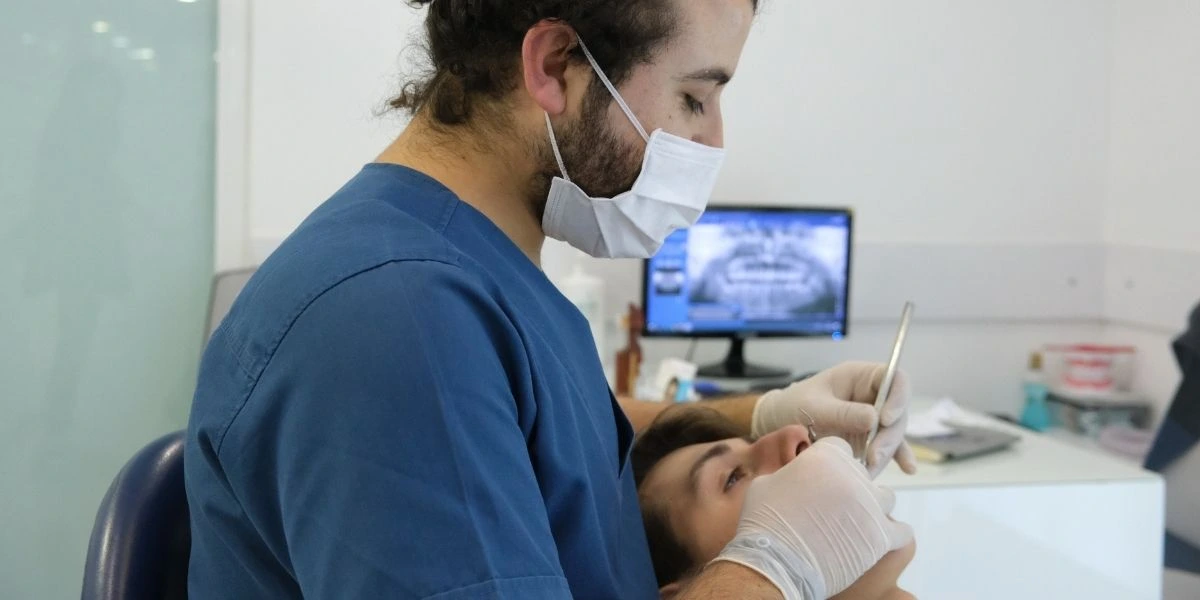 Symptoms of Tooth Decay
Tooth decay may not be noticeable in its early stages and can cause pain as it progresses. Signs of tooth decay In general, it is as follows:
- Tooth Sensitivity: Sensitivity to hot, cold, or sweet foods can be an early sign of cavities in tooth enamel.
- Pain or Discomfort: As tooth decay progresses, pain, discomfort, or a stinging sensation may occur in the tooth.
- Color Changes: The appearance of white, brown, or black spots on the tooth surface is a sign of decay. Changes in tooth color may indicate advanced stages of enamel decay.
- Crack or Hole in the Tooth: As decay progresses, cracks or holes may appear in the tooth. This can indicate that the structural integrity of the tooth is compromised.
- Bad Breath: Tooth decay can cause bacteria to grow in the mouth, leading to bad breath. Bad breath is one of the symptoms of tooth decay.
- Gum Problems: Tooth decay is a condition that also affects the gums. Symptoms may include redness, swelling, or bleeding of the gums.
- Oral Cavities: As decay progresses, cavities can form in the tooth. These cavities may indicate that the tooth is decayed and structurally weakened.
- Difficulty Eating: Tooth decay can increase pressure on the teeth while eating, causing pain and discomfort.
- Nerve Signals: Tooth decay can affect nerve endings, leading to abnormal responses to hot or cold foods.
Any sign of tooth decay When noticed, it is important to consult a dentist immediately. Tooth decay detected in the early stages can be treated more effectively and help prevent serious problems.
How to Prevent Tooth Decay?
Maintaining regular oral hygiene and developing healthy lifestyle habits are important for preventing tooth decay. Measures that can be taken to prevent tooth decay are as follows:
- Regular Tooth Brushing: Brushing your teeth regularly, at least twice a day, especially in the morning and at night, is important. Choosing the right toothbrush and toothpaste is also crucial for effective cleaning.
- Using Dental Floss: Dental floss should be used to remove plaque and debris between teeth. Floss reaches the areas between teeth, preventing bacterial buildup.
- Using Fluoride Toothpaste: Fluoride strengthens tooth enamel and can reduce the formation of cavities. Using toothpaste containing fluoride supports good dental health.
- Regular Dental Checkups: Visiting your dentist for regular checkups at least once a year is important for detecting potential problems early. Dental cleaning should be done professionally.
- Healthy Eating Habits: Limiting the consumption of sugary and acidic foods and drinks is effective in protecting dental health. A healthy diet can help strengthen tooth enamel.
- Water Consumption: Water protects dental health by neutralizing the acidic environment in the mouth. Drinking water instead of sugary drinks, in particular, can reduce the formation of cavities.
- Avoiding Cigarettes and Tobacco Products: Smoking and using tobacco products damage dental health and can increase the risk of tooth decay. It is important to avoid these habits.
- Early Intervention in Children: Instilling regular dental hygiene habits in children from a young age can be effective in preventing tooth decay.
It is important to remember that these measures to prevent tooth decay are not limited to individual oral care; regular dental check-ups and adherence to the dentist's recommendations are also crucial.
How to Treat Tooth Decay?
Treatment for tooth decay varies depending on the severity of the decay and the affected area of the tooth. So, How to get rid of tooth decayCommon treatment methods are as follows:
Filling (Restoration): Tooth decay usually begins at a stage where the tooth enamel is damaged. In the early stages, dentists clean the decayed area and fill it with a filling material. This procedure restores the tooth's function and can stop the decay from progressing. This process..., tooth decay cleaning It can also be called
Root Canal Treatment (Endodontics): When decay reaches the nerve tissue of a tooth, the pulp inside the tooth can become inflamed. In this case, the dentist performs root canal treatment. They clean out the decayed tissue and fill the inside of the tooth, thus protecting the nerve.
Tooth ExtractionDepending on the condition of the decayed tooth, the dentist may sometimes recommend extraction. This is especially true when the tooth is too severely damaged to be saved.
Crown and Bridge Applications: Teeth lost due to decay can be replaced with prosthetic devices such as implants, crowns, or bridges. These methods address tooth loss both aesthetically and functionally.
Fluoride Applications: Fluoride treatments can be used to strengthen tooth enamel and prevent cavities. This can usually be done in a dentist's office or through special toothpastes and mouthwashes used at home.
Healthy Oral Hygiene Habits: The most effective way to prevent tooth decay is to maintain good oral hygiene. Regular brushing, flossing, and using mouthwash protect dental health.
Treatment options vary depending on the individual's condition, the condition of the tooth, and the severity of the decay. It's important to consult a dentist as soon as possible when signs of tooth decay are noticed. Early diagnosis and treatment can prevent the progression of tooth decay, contributing to healthy oral health.