



Teeth Whitening Methods

Contents
- Teeth Whitening Methods & How is Teeth Whitening Done?
- What is teeth whitening?
- How to Whiten Teeth?
- What are the methods for at-home teeth whitening?
- What is Laser Teeth Whitening?
- How long does teeth whitening last?
- How many sessions does teeth whitening treatment take?
- What are the opinions of those who have had teeth whitening done?
- Is teeth whitening harmful?
- What do teeth look like before and after teeth whitening treatment?
- What can you eat after teeth whitening?
- Teeth Whitening Prices
Teeth Whitening Methods & How is Teeth Whitening Done?
Tooth whitening methods are procedures applied to remove stains and discoloration from teeth. Tooth whitening is a cosmetic procedure performed to lighten the color of teeth and achieve a whiter appearance.
It is recommended that you consult your dentist before undergoing teeth whitening treatment. Your dentist will examine your teeth to determine their health and whether whitening is suitable for you. They can also offer advice on how to maintain and protect the health of your teeth after the whitening procedure.
What is teeth whitening?
Tooth whitening is a cosmetic procedure performed to lighten the color of teeth, resulting in a whiter appearance. Teeth can change color over time due to factors such as eating, drinking, and aging. These color changes can cause teeth to yellow, stain, or become dull. Tooth whitening aims to eliminate these color changes, resulting in whiter, brighter, and younger-looking teeth.
Tooth whitening can be performed using several different methods, either at home or in a dentist's office. Options include at-home tooth whitening kits, tooth whitening pens, or professional tooth whitening treatments administered by a dentist. Tooth whitening is generally painless, but side effects such as tooth sensitivity, gum irritation, or temporary toothache may occur.
Tooth whitening is a safe procedure when teeth are healthy and approved by a dentist. However, tooth whitening is not recommended for pregnant women, breastfeeding mothers, and children under 16 years of age. Individuals considering tooth whitening should first consult a dentist and have their dental health checked.
How to Whiten Teeth?
Teeth whitening Teeth whitening is a cosmetic procedure performed to lighten the color of teeth and achieve a whiter appearance. Teeth whitening can be done using several different methods, either at home or in a dentist's office. Here are some different methods of teeth whitening:
At-Home Teeth Whitening: This method involves using at-home teeth whitening kits or whitening pens. Whitening kits contain a gel specifically formulated to lighten the color of teeth. This gel is kept in a special dental tray and applied to your teeth. Teeth whitening pens, on the other hand, are special gels that can be applied to your teeth.
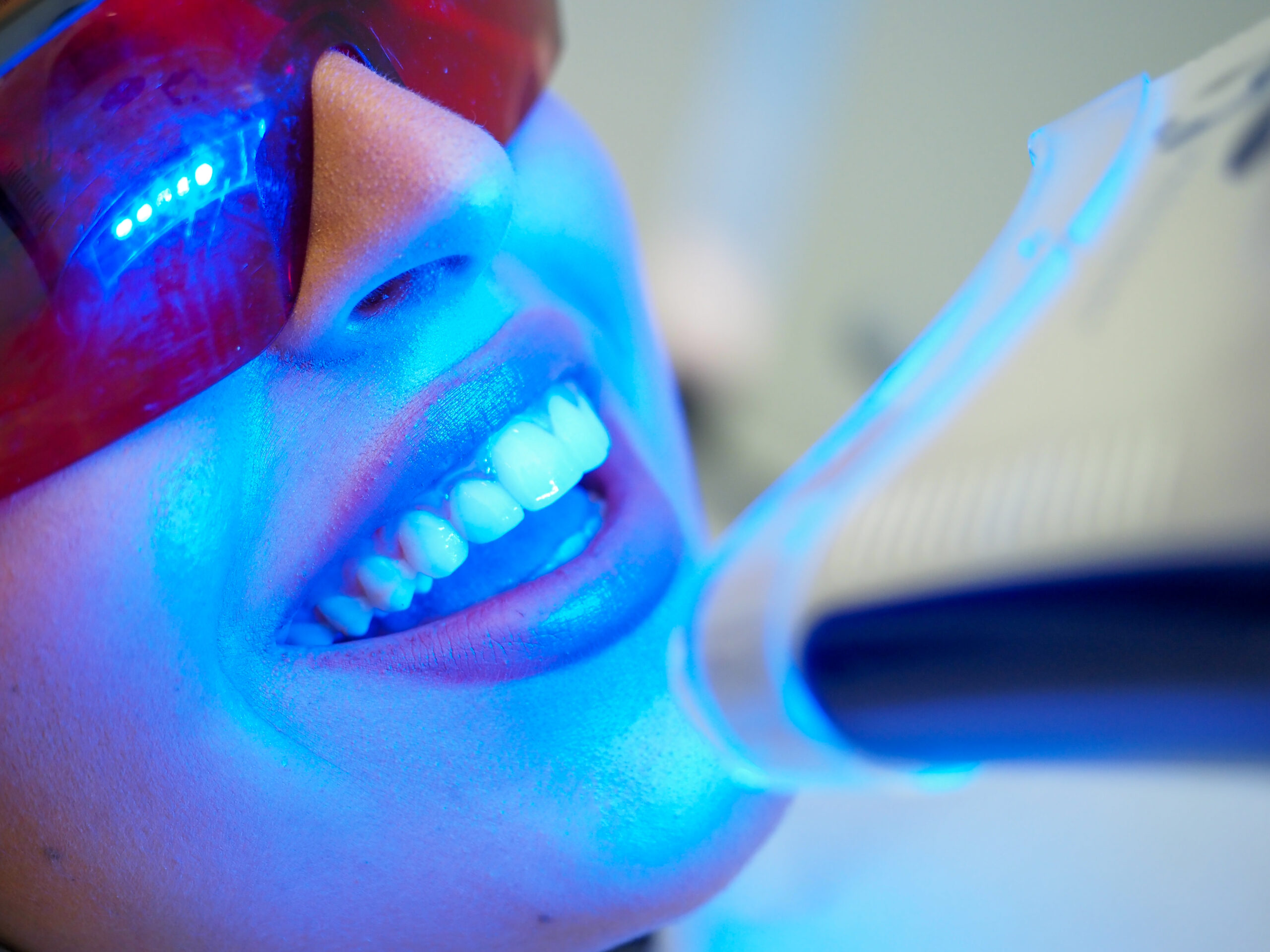
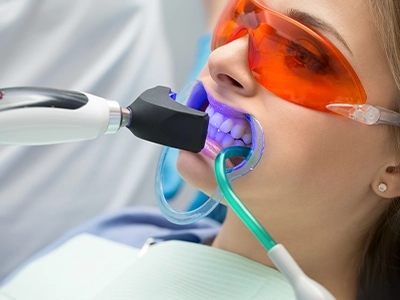
Dental Teeth Whitening: Dental teeth whitening is a professional method used to make teeth appear whiter. This procedure is performed in the office and is carried out using a powerful whitening gel applied by the dentist. After applying the gel to your teeth, the dentist may enhance its effect using a special light or laser.
Laser Teeth Whitening: This method is a procedure performed by a dentist and is carried out using a special laser in conjunction with a powerful whitening gel. The laser provides a stronger effect for whitening teeth, and the results are more noticeable compared to other methods.
It is recommended that you consult your dentist before undergoing teeth whitening treatment. Your dentist will examine your teeth to determine their health and whether whitening is suitable for you. They can also offer advice on how to maintain and protect the health of your teeth after the whitening procedure.
What are the methods for teeth whitening?Tooth whitening methods include the following:
- At-Home Teeth Whitening: This method uses at-home teeth whitening kits or whitening pens. In this method, a specially formulated whitening gel is used, held in a special dental tray, and applied to the teeth.
- Dental Teeth Whitening: This is a whitening method performed by a professional dentist. In this method, teeth are whitened using a special whitening gel in the dentist's office. The dentist may also use a special light or laser to enhance the effect of the whitening gel.
- Laser Teeth Whitening: Laser teeth whitening is a procedure performed by a dentist that uses a special laser in conjunction with a special whitening gel. The laser provides a more powerful effect for whitening teeth, and the results are more noticeable compared to other methods.
- Hydrogen Peroxide Teeth Whitening: This is a whitening method performed by a dentist. In this method, a special hydrogen peroxide solution is applied to the teeth to whiten them.
- Tooth Whitening After Root Canal Treatment: After root canal treatment, teeth often have a dull and yellowish appearance. In this case, the dentist will whiten the teeth using a special whitening gel.
How teeth whiten varies from person to person. Learn more about whitening your teeth and how to do it in a healthy way. teeth whitening treatment We invite you to visit İnci Dental Clinics for your dental treatment.
What are the methods for at-home teeth whitening?
If you want to whiten your yellow teeth, there are various at-home teeth whitening methods you can try. These at-home teeth whitening methods include:
Tooth Whitening Pen: This method uses a specially formulated whitening gel to remove stains from the tooth surface. You apply this gel to the tip of your toothbrush and then apply it to your teeth. This method is an inexpensive and easy option, but the results may be less noticeable compared to other methods.
Tooth Whitening Strips: This method uses strips containing a specially formulated whitening gel to remove stains from the tooth surface. These strips are applied to the teeth and left in place for several hours. This method is easy to apply and inexpensive, but the results may be less noticeable compared to other methods.
Tooth Whitening Trays: In this method, a specially formulated whitening gel is applied to the teeth using a special tooth whitening tray. This method can be used in conjunction with other methods for better results, but it is more expensive and time-consuming than other methods.
Natural Methods: Natural methods you can use to whiten teeth include ingredients like coconut oil, baking soda, apple cider vinegar, strawberries, and lemon juice. However, the effects of these methods are less noticeable than others, and long-term use can damage tooth enamel.
You can whiten your yellow teeth using various methods like these. However, each method has its own advantages and disadvantages. It is important to consult your dentist before applying whitening methods at home, not on your own. This is because home whitening methods are not permanent. Furthermore, you increase the risk of damaging your teeth while trying to whiten them at home. Therefore, it is recommended that you consult a dentist before whitening your teeth with these methods.
What is Laser Teeth Whitening?
Laser teeth whitening is a method used to whiten teeth. In this method, a special whitening gel is applied to the surface of the teeth using a special laser device to remove stains. The laser device is used to enhance the effect of the chemical substances in the gel and to remove stains from the tooth surface more quickly and effectively.
Laser whitening provides faster and more effective results compared to other whitening methods. The procedure can usually be completed within a few hours and can lighten teeth by several shades. Furthermore, laser whitening is less invasive than other methods and does not damage tooth enamel.
However, laser whitening is more expensive than other whitening methods and may cause tooth sensitivity in some people. Furthermore, more research is needed regarding the effects of the chemicals used in this method.
Laser teeth whitening should only be performed by dentists, and it is important to brush your teeth regularly before and after the procedure and follow your dentist's recommendations.
 How long does teeth whitening last?
 How long does teeth whitening last?
The longevity of teeth whitening results can vary depending on the method used, the original color of the teeth, post-treatment care, and the individual's lifestyle.
Professional teeth whitening provides more lasting results compared to other methods and can generally maintain the whiteness of your teeth for several years. However, if the discoloration is due to permanent causes such as smoking, consuming colored foods like coffee, tea, or red wine, or damage to tooth enamel, your teeth may yellow again over time.
At-home teeth whitening methods generally provide shorter-term results and may need to be repeated more frequently to maintain whiteness. Natural teeth whitening methods, on the other hand, usually offer less permanent results and can damage teeth.
After teeth whitening, it's essential to maintain regular oral hygiene, avoid smoking, and reduce consumption of foods that stain teeth, such as coffee, tea, and red wine. Additionally, regular dental cleanings and treatments as recommended by your dentist can contribute to the longevity of the whitening results.
How many sessions does teeth whitening treatment take?
The number of sessions required for teeth whitening treatment can vary depending on the method used, the original color of the teeth, the amount of staining, and the desired result.
Professional teeth whitening typically involves one or several sessions. These sessions usually last between 30-60 minutes, and several sessions may be required depending on the desired results.
At-home teeth whitening methods generally require longer periods of time and produce slower results. Natural whitening methods also typically require longer periods of time and yield less noticeable results.
Before the whitening procedure, your dentist will create a personalized plan for you based on the condition of your teeth. This plan will give you a clearer idea of the treatment duration and the number of sessions required. We invite you to İnci Dental Clinics to witness the amazing results that even small procedures like polishing and tartar removal can achieve in teeth whitening treatment.
What are the opinions of those who have had teeth whitening done?
Feedback from those who have undergone teeth whitening treatment at our clinics is generally positive. The brighter, whiter appearance of teeth after the whitening process boosts self-confidence and contributes to an aesthetically pleasing look. However, there may be some side effects that vary from person to person.
Some people may experience side effects such as tooth sensitivity, pain, or gum irritation after a whitening procedure. This is because the chemicals used during the whitening process can open pores in the tooth enamel, reaching nerves that may cause sensitivity. However, these side effects are usually temporary and treatable.
Another important consideration is the permanence of the whitening process. If the discoloration in a person's teeth persists after the whitening treatment, the teeth will yellow again over time. Therefore, regular dental care and cleaning, following the dentist's recommendations, are necessary after the whitening procedure.
In conclusion, teeth whitening removes stains and discoloration, resulting in a more aesthetically pleasing appearance. However, it is recommended that the decision be made considering factors such as the individual's dental condition and the necessary post-whitening care.
Is teeth whitening harmful?
Tooth whitening, when performed with the correct techniques and by a professional dentist, is generally harmless. However, some people may experience certain side effects during or after the whitening process.
The chemicals used during teeth whitening can have side effects such as tooth sensitivity, pain, or gum irritation. Temporary tooth sensitivity is also possible after the procedure, as teeth tend to become more sensitive after whitening. This sensitivity usually resolves on its own within a few days.
It is also said that teeth whitening can weaken the enamel structure of teeth, which can increase the risk of cavities. However, this claim has not yet been fully proven.
What do teeth look like before and after teeth whitening treatment?
There may be some differences in your teeth before and after teeth whitening treatment.
Pre:
- The teeth will be their normal color.
- Some people may have stains, discoloration, yellowing, or darkening of their teeth.
Post:
- The color of teeth may lighten by several shades depending on the whitening treatment.
- Teeth may appear whiter and brighter.
After teeth whitening treatment, teeth may experience temporary sensitivity or mild gum irritation.
Some people may develop temporary white spots or patches on their teeth.
After teeth whitening treatment, the change in tooth color can vary from person to person. This is because it depends on the individual's lifestyle, dental care habits, and the quality of post-treatment care. Therefore, it is important to follow the recommendations given by the dentist and to clean the teeth regularly after whitening treatment.
What can you eat after teeth whitening?
After teeth whitening treatment, it is recommended that you choose the following foods and drinks to keep your teeth white and bright:
- Water: Water, which cleans your teeth and protects your oral health, also plays an important role after whitening treatment.
- Milk and dairy products: Dairy products such as milk, cheese, and yogurt contain minerals like calcium and phosphorus, which can help whiten your teeth.
- Colorless foods: Colorless foods like chicken, fish, rice, pasta, and bread can clean your teeth without damaging them.
- Raw vegetables like apples and carrots: Raw vegetables can help whiten your teeth by cleaning them.
In addition, regularly brushing your teeth, flossing, and rinsing with mouthwash after whitening treatment can also help your teeth look whiter and brighter.
You might also be interested in: What is All On Four Implant??
Teeth Whitening Prices
Teeth whitening treatment prices can vary depending on the country, city, clinic, and method used. Generally, at-home teeth whitening methods are cheaper, while office-based methods are more expensive.
Other factors that may affect the cost of teeth whitening include the method of treatment, the quality of materials used, and the experience and training of the specialist performing the treatment.
Before starting teeth whitening treatment, it is recommended to obtain a clear price quote and information about the treatment process by speaking with the clinic or specialist.