



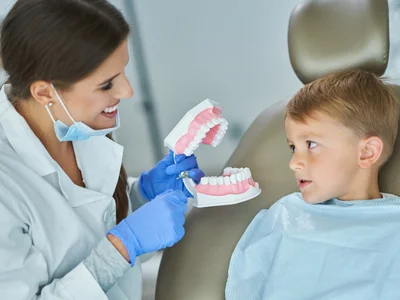
Children's Dental Health
Healthy smiles for children are one of the fundamental elements for a happy childhood and a healthy future. Dental health is a reflection of overall health and has a significant impact on self-esteem and social relationships. Therefore, protecting children's dental health, instilling healthy habits in them, and preserving their smiles are extremely important.
Contents
Early Care for a Good Start
Children's dental health should begin in infancy. Even when the first teeth start to erupt, attention should be paid to dental care. Baby teeth are just as important as permanent teeth because they play a fundamental role in healthy tooth roots and jaw development. During this period, you can gently clean their teeth with a clean sponge (sterile gauze) or a soft baby toothbrush.

Establishing Healthy Eating Habits
Establishing proper nutritional habits is crucial for supporting children's dental health. Sugary snacks and acidic drinks can lead to tooth decay. Therefore, you should encourage children to consume healthy foods such as fresh fruits, vegetables, milk, and water.
Instilling the Habit of Brushing Teeth
Explaining the importance of brushing teeth to children and instilling a regular brushing habit is a critical step for dental health. You can teach them to brush their teeth using a soft baby toothbrush when their first tooth starts to erupt. Over time, your child will develop the habit of brushing their teeth on their own. The tooth brushing routine should be practiced at least twice a day, in the morning and evening.
The Importance of Dental Visits
Regular dental visits for your child are vital for early diagnosis and preventative measures. The first dental visit should take place approximately one year after the first tooth erupts. These visits are excellent opportunities to monitor your child's dental development, prevent tooth decay, and reinforce healthy habits.
Acting as a Role Model
Children generally look to their parents as role models. Therefore, you can set a good example for your child by taking care of your own dental health and demonstrating regular brushing habits. You can also make this activity fun by brushing your teeth together with your child.
What causes bad breath in children?
Like many issues related to children's health, oral health is of great importance. However, one issue that is often overlooked is bad breath in children. Bad breath can affect children's self-esteem and negatively impact their social relationships.
Causes of Bad Breath
Poor Oral Hygiene: Children's failure to brush their mouths regularly and use dental floss leads to a buildup of bacteria in the mouth. These bacteria break down food particles, becoming the source of bad breath.
Tooth Decay and Infections: Tooth decay and infections cause bacteria to grow in the mouth, which can lead to bad breath.
Throat Infections: Throat infections can also cause bad breath. Infections like tonsillitis can contribute to the production of foul odor in the mouth.
Sinus Infections: Nasal and sinus infections can also cause bad breath because foul odors from the nose can pass through the mouth.
Mouth Breathing: Children sometimes breathe through their mouths due to nasal congestion. This can lead to dry mouth and worsen bad breath.
Poor Eating Habits: Excessive consumption of sugary and acidic foods can cause bacteria to multiply rapidly in the mouth. Bad breath can also worsen when feeling hungry.
Systemic Diseases: Although rare, systemic diseases can also cause bad breath in children. For example, diabetes or digestive system problems can be underlying causes of bad breath.
Ways to Prevent Bad Breath
Regular Oral Hygiene: It is important to instill regular brushing and flossing habits in children. This helps prevent bad breath by reducing bacterial buildup in the mouth.
Healthy Eating: Ensuring children eat a balanced and healthy diet can reduce bad breath by preventing bacteria from multiplying rapidly.
Regular Dental Visits: Regular dental visits for children are important for early diagnosis and treatment. These visits can help keep oral health under control.
Treating Nasal Congestion: If your child has nasal congestion, you should consult a doctor to resolve the problem.
Fluid Intake: Ensuring children drink enough water can prevent dry mouth and reduce bad breath.
Systemic Health Check: If you have persistent bad breath and other symptoms as well, it's important to consult a doctor to rule out systemic health problems.
In conclusion, bad breath in children can occur due to various reasons. However, it is possible to prevent bad breath with regular oral hygiene, healthy eating habits, and regular doctor visits. Prioritizing children's oral health from a young age is a critical step for their overall health and self-esteem.
Why are children afraid of dentists?
Anxiety and fear in the dentist's chair are common occurrences for parents. Understanding the underlying reasons for this fear can help children relax and build trust in the dentist. Here are the causes of children's fear of the dentist and ways to cope with it:
Reasons:
Fear of the Unknown: New experiences can often be a source of anxiety for children. The dentist's chair and instruments can be unfamiliar and frightening for children.
Fear of Pain: Because of painful experiences they've had or stories they've heard, children may associate dentist visits with pain and discomfort.
Feeling of Loss of Control: Children who feel they lose control when sitting in the dentist's chair may experience fear stemming from this situation.
Noises and InstrumentsDental instruments and the sounds they make can challenge children's imaginations and create anxiety in them.
Coping Mechanisms:
Early Introduction: By taking children to the dentist at an early age, you can allow them to become familiar with the environment and see the instruments. This will reduce their feelings of unfamiliarity.
Toys and Stories: By using toys or stories that explain dental health to children, you can make dentist visits a more positive experience.
Positive Language UseDescribing the dentist visit in a positive light can reduce negative thoughts in a child's mind. Using phrases like, "The dentist helps us take good care of our teeth," can be helpful.
Games and Role-PlayingPlaying "dentist games" or organizing role-playing activities with your children at home can help alleviate their fears.
Offering Options: Children may need a sense of control in certain situations. Letting them choose when to go to the dentist or which toys to bring with them can reduce feelings of loss of control.
Trust and Patience: It's important to understand children's fears and support them. Patiently listening and understanding them can help them overcome their fears.
In conclusion, children's fear of the dentist can stem from various reasons, but it's possible to have a positive impact on this fear. Parents supporting their children, providing accurate information, and adopting a positive approach can make dental visits a more comfortable and safe experience for children.
Protecting children's dental health is a crucial step in ensuring their long-term health and happiness. Instilling healthy habits from an early age, combined with regular dental visits and a healthy diet, will keep your children's smiles bright and healthy. Providing your children with a good dental health education will positively impact their future quality of life.