



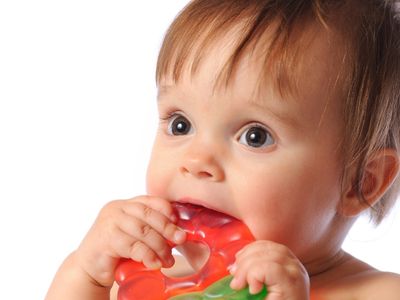
What are the stages of teething in babies?
Babies' teething process can be an exciting and sometimes challenging time for parents. Understanding the stages of teething according to a baby's age and correctly recognizing the symptoms is important during this process. In this blog post, you will find comprehensive information about the teething process in babies and points to watch out for.
Contents
At what age do babies start teething?
Your baby's teething process usually begins within a specific age range. However, every baby is different, and this process can vary from person to person. Below you can find details about when babies typically start teething:
- First Teeth:
Teething usually begins in babies between 6 and 10 months of age. The first teeth are typically the lower central front teeth. Mild swelling and redness of the gums may be observed during this period.
- Eruption of Other Teeth:
After the first teeth erupt, the others follow in sequence. The upper front teeth, canines, and back molars usually begin to emerge within a few months. This process is generally completed within 2 to 3 years.
- Individual Differences:
Some babies may start teething earlier, while others may start later. Genetic factors, family history, and the baby's growth rate are among the factors that influence this process. Therefore, it is important for parents to observe their baby's individual development.
- Signs Before Teething:
It can be helpful to pay attention to certain signs before your baby starts teething. For example, symptoms such as an itchy feeling in the mouth, frequent drooling, a slight fever, and restlessness may indicate that teething has begun.
- Teething Routine:
The teething process requires a regular care and cleaning routine from the moment your baby starts teething. Using teething toys and starting to clean their teeth with soft toothbrushes are important during this process.
This information will help you understand your baby's teething process. If you experience any problems during your baby's teething, it is important to consult a pediatrician and seek professional advice.
What are the symptoms of teething?
Knowing the right way to recognize the signs of your baby's teething can help parents manage this period more easily. Here is a detailed explanation of the signs of teething in babies:
- Restlessness and Irritation: Due to swollen and itchy gums, your baby may be restless and irritated. This can be especially noticeable in the early stages of teething.
- Increased Saliva Production: Increased saliva production can be observed in your baby's mouth during the teething process. This helps to soften the gums and makes it easier for the tooth to erupt.
- Mouth Itching: Your baby may experience an itchy sensation in their mouth during teething. Because of this, your baby may frequently put their hands or various objects in their mouth.
- Fever: Your baby's body temperature may increase slightly during teething. However, this is usually limited to a low-grade fever. If the fever is high or persists for a long time, it is important to consult a healthcare professional.
- Sleep Problems: Teething can affect your baby's normal sleep patterns. This may include issues such as waking up during the night, frequent awakenings, or difficulty falling asleep.
- Appetite Changes: You may notice changes in your baby's appetite during the teething process. Due to gum sensitivity, they may experience discomfort during feeding.
- Redness and Swelling: Redness and swelling of the gums can occur during the teething process. These symptoms usually subside after the tooth has erupted.
- Ear Pulling: During teething, some babies may try to relieve discomfort by touching their ears due to nerve pathways between the mouth and ear.
Teething symptoms can help you understand how your baby is going through this process. If the symptoms are severe or persist for a long time, it's best to consult a pediatrician.
How long does it take for teeth to erupt?
Your baby's teething process usually progresses in a specific timeframe. However, since every baby is different, the teething time can vary from person to person. Below you can find a general overview of the teething process for babies and which teeth may appear at which months:
- First Teeth (6-10 Months): Teething usually begins in babies between 6 and 10 months of age. The first teeth are generally the lower central front teeth. Slight swelling and redness of the gums may be observed during this period.
- Upper Front Teeth (8-12 Months): Following the eruption of the first teeth, the upper front teeth usually begin to appear between 8 and 12 months of age. During this period, your baby's number of teeth will increase.
- Canine Teeth (16-22 Months): During your baby's teething process, canine teeth usually begin to erupt between 16 and 22 months of age. These teeth are typically located next to the upper front teeth.
- Back Molars (20-30 Months): As the teething process continues, back molars usually begin to erupt between 20 and 30 months of age. During this period, your baby's mouth begins to fill with more teeth.
- Full Teething (2-3 Years): Babies usually complete their teething process within 2 to 3 years. By this time, all of your baby's baby teeth will have taken their place.
Individual differences, genetic factors, and the rate of infant growth are important factors influencing the teething process. Therefore, each baby's teething process can be different. As parents, it is important to be patient and approach your baby in a way that suits their individual needs. It is also recommended to consult a pediatrician if you have any concerns during the teething process.
What precautions should be taken during the teething process?
There are important factors to consider to ensure your baby has a comfortable and healthy teething experience. Here are some details to keep in mind during this process:
- How to Use a Teething Toy:
You can use teething rings to soothe your baby's gums and relieve itching. These products can often be frozen, creating a cooling sensation in your baby's mouth and providing relief.
- Avoid rubbing with cold, hard objects:
You can gently massage your baby's gums with clean hands. Using a cold spoon or a clean, cold cloth can also help reduce discomfort during teething.
- Soft and Cold Foods:
Offering your baby soft and cold foods during teething can also be helpful. Foods like bananas, yogurt, or frozen fruit pieces can also soothe sore gums.
- Regular Dental Cleaning:
Even during teething, it's important to take care of your baby's oral hygiene. Keeping gums clean using soft toothbrushes and cleaning wipes will help establish good dental care habits later on.
- Additional Measures for Your Baby's Comfort:
To help your baby feel more comfortable during teething, you can dress them in cotton clothes and let them sleep on soft bedding. You can also offer support by frequently holding your baby and soothing them with love.
- Careful Nutrition:
Avoid hard foods that could harm your baby's gums during teething. Instead, opt for soft and pureed foods to improve your baby's comfort.
- Consult Pearl Dental Specialists for Pain and Discomfort:
If your baby is having a very difficult teething process or the symptoms are severe, it is important to consult with the experts at İnci Diş. With their expert advice, you can take measures to help your baby feel more comfortable.
A careful and loving approach during the teething process will help your baby get through this period more comfortably. Remember that every baby is different, so it's important to apply methods that suit your baby's needs.
What to do when problems occur during teething?
Teething in babies can sometimes cause problems. However, there are some precautions and things to do to cope with these problems. Here are some suggestions for problems that may be encountered during teething:
- Applying Cold for Pain and Discomfort:
If your baby's gums are swollen and painful, applying a cold compress can help. You can use frozen teething rings or a clean, cold cloth to soothe the pain.
- Gum Gels and Lotions:
Teething gels and lotions can be applied gently to your baby's gums. However, it's important to consult a healthcare professional before using these products.
- Teething Rings:
Coolable teething rings can help soothe your baby's gums by gently massaging them. However, ensure these products are sterile and use them according to the instructions.
- Use of Painkillers:
If your baby is in severe pain, you can use pain-relieving syrups recommended by your pediatrician. However, you should be careful about the dosage and use the medication under the supervision of a doctor.
- Balanced diet:
Giving your baby teething-appropriate foods is important. Pay attention to your baby's oral hygiene with soft and refreshing foods like cold fruit purees or yogurt.
- Regular Dental Cleaning:
Keeping your baby's gums clean is important during teething. You can gently clean their gums using a soft toothbrush or a clean cloth.
- Doctoral Consultation:
If your baby is having a very difficult teething process or the symptoms are severe, you should consult a pediatrician. Following their advice will help protect your baby's health.
- Calming Activities:
You can engage in calming activities to help your baby relax. For example, a gentle massage, playing a favorite game, or spending time in a quiet environment can reduce your baby's stress.
Remember that every baby's teething process is different. If the symptoms are severe and prolonged, it's best to contact a healthcare professional. You can quickly find the necessary solutions by scheduling an appointment with the expert dentists at İnci Dental Clinic.