




What are the causes of jaw and joint pain?
Temporomandibular joint disorders, Temporomandibular joint pain (TMJ) is a common ailment that negatively impacts the daily lives of many people. The causes of this pain can vary, and accurate diagnosis is a fundamental step towards effective treatment. In this article, we will discuss the causes and treatment options for TMJ pain in detail.
Contents
- Types of Jaw Pain
- Right Jaw Pain
- Left Jaw Pain
- Pain under the chin.
- How to relieve temporomandibular joint pain?
- Can temporomandibular joint pain cause headaches?
- Which doctor should I see for temporomandibular joint pain?
- What helps with temporomandibular joint pain?
- Temporomandibular Joint Pain Treatment
- Fill out the form to get detailed information.
Types of Jaw Pain
Jaw pain is a complex condition often stemming from a variety of factors. These types of pain exhibit great variability in terms of the symptoms experienced by individuals and the possible underlying causes. Each individual's experience may be different, as jaw pain can result from a combination of factors.
This complicates the diagnostic and treatment process, making it important to focus on specific symptoms and triggering factors. This wide variety of underlying causes of jaw pain can depend on many factors, including an individual's lifestyle, genetic factors, stress levels, and other health conditions. Therefore, an individualized and personalized treatment approach is often necessary to manage jaw pain.
Right Jaw Pain
Right jaw pain can often be caused by problems in the temporomandibular joint (TMJ), chewing muscles, or surrounding tissues. This type of pain may increase during chewing, speaking, or jaw movement. Common causes of right jaw pain include TMJ inflammation, dental problems, or trauma. Symptoms of temporomandibular joint pain And the reasons can generally be as follows:
Symptoms:
- Pain during chewing.
- Discomfort while speaking
- Difficulty with jaw movement
Possible Causes:
- Temporomandibular joint inflammation
- Dental problems (tooth decay, tooth abscesses)
- Trauma (impact, accident)
Left Jaw Pain
Left jaw pain, like right jaw pain, can develop due to various reasons. Left jaw pain is often caused by problems in the jaw joint, chewing muscles, or surrounding tissues. This pain can manifest as discomfort felt in the facial area.
Symptoms:
- Pain or tightness in the face
- Pain may increase during chewing.
- Headache may accompany it.
Possible Causes:
- Temporomandibular joint (TMJ) disorders
- Nerve compression
- Teeth grinding (bruxism)
 Pain under the chin.
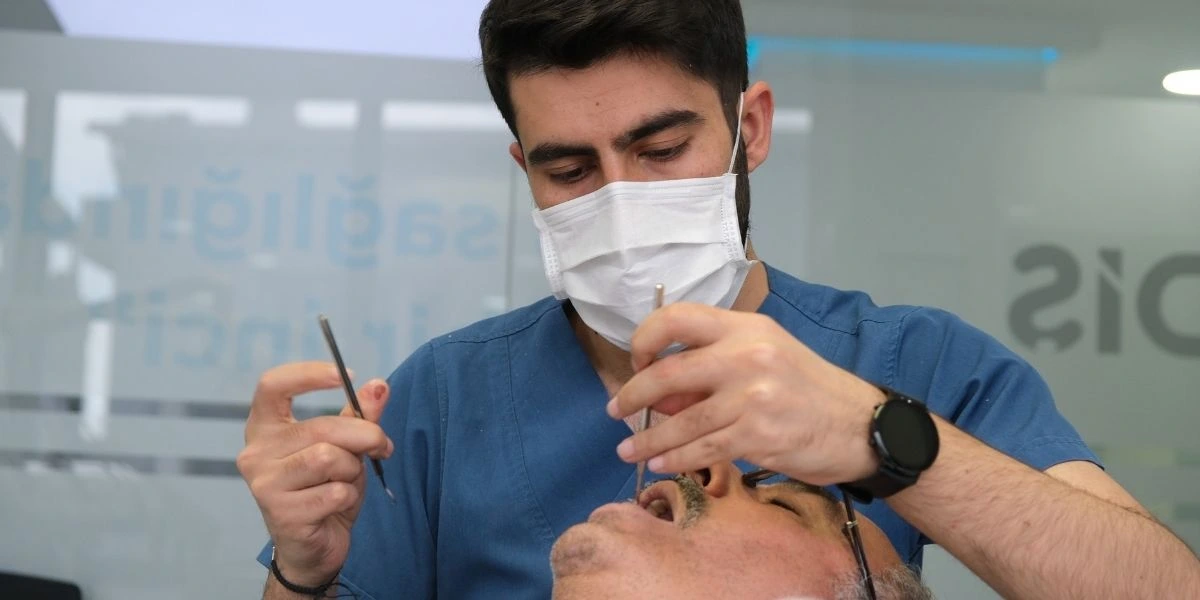 Pain under the chin.
Pain under the jaw can stem from various causes, often unrelated to the jaw joint itself. Problems with the neck, lymph nodes, tooth roots, or nerves can all lead to jaw pain.
Symptoms:
- Discomfort in the neck area
- Toothache or sensitivity
- Difficulty swallowing
Possible Causes:
- Lymph node inflammation
- Dental abscess
- Problems in the cervical vertebrae
Temporomandibular joint problems, Jaw pain can be classified as right jaw pain, left jaw pain, and pain under the jaw. Each type is associated with different symptoms and possible causes. Individuals experiencing jaw pain should pay attention to their specific symptoms and seek help from a specialist doctor for appropriate treatment.
How to relieve temporomandibular joint pain?
temporomandibular joint pain There are a number of effective methods for coping with it. These strategies can be used to alleviate pain and improve temporomandibular joint health. Jaw and joint disorders The recommended methods are generally as follows:
- Hot and Cold Applications:
Applying heat or cold to the painful area can be effective in relieving temporomandibular joint pain. Heat relaxes the muscles, while cold can reduce inflammation.
- Relaxation and Massage:
Relaxing the jaw muscles and applying gentle massage can alleviate pain. It also promotes healing by reducing tension in the muscles around the jaw joint.
- Physical Therapy Exercises:
Exercises performed under the guidance of a qualified physiotherapist can improve temporomandibular joint (TMJ) health. These exercises aim to increase jaw mobility and strengthen the muscles.
- Mouthpiece (Splint) Usage:
A mouthguard recommended by a dentist can prevent nighttime teeth grinding and reduce stress on the jaw joint.
Strategies such as applying heat or cold, rest, massage, physical therapy exercises, and using a mouthguard can be used to relieve temporomandibular joint pain. However, it is important to consult with a qualified healthcare professional before applying these methods. Furthermore, if symptoms persist or worsen, it is necessary to seek medical help.
Can temporomandibular joint pain cause headaches?
Yes, jaw joint problems can cause headaches. The jaw joint is known as the temporomandibular joint (TMJ), and problems in this area can lead to headaches. Specifically... temporomandibular joint inflammation, Conditions such as cartilage damage or muscle spasms can cause headaches. Temporomandibular joint (TMJ) problems can manifest as pain felt in the sides and top of the head, around the eyes, or in the temples.
These headaches often become more pronounced during jaw joint movements or when pressure on the jaw increases. For example, teeth grinding or bruxism increases stress on the jaw joint, which can contribute to headaches. Headaches typically have a throbbing, stabbing, or pressing character, which is why jaw joint problems are often associated with headaches.
In addition to headaches, temporomandibular joint (TMJ) problems can often be accompanied by symptoms such as difficulty chewing, jaw locking, or TMJ clicking. Therefore, it is important for individuals experiencing TMJ problems to pay attention to their headaches and seek help from a specialist doctor.
Which doctor should I see for temporomandibular joint pain?
It is important to consult a qualified doctor to manage temporomandibular joint pain. Typically, the following doctors are specialists who deal with temporomandibular joint problems:
- Ear, Nose, and Throat (ENT) Specialist:
ENT specialists are experts focused on temporomandibular joint (TMJ) pain, TMJ disorders, and other jaw-related problems. These specialists can determine the cause of TMJ pain and develop appropriate treatment plans.
- Rheumatologist:
In some cases, particularly if inflammatory conditions are involved, rheumatologists can assess the underlying rheumatological problems causing temporomandibular joint pain and recommend appropriate treatment.
- Physiotherapist:
Physical therapists can provide specific exercise programs and treatments to improve temporomandibular joint health and alleviate pain.
- Dentist:
Dentists can evaluate underlying causes of temporomandibular joint pain, such as dental problems or bruxism. They can also examine the temporomandibular joint and surrounding tissues to recommend appropriate treatment.
Individuals experiencing temporomandibular joint (TMJ) pain should consult one of these specialists to evaluate their symptoms and receive an accurate diagnosis. Working collaboratively, these specialists can help manage the individual's condition most effectively. You can also contact the nearest İnci Dental clinic to plan your TMJ treatment.
What helps with temporomandibular joint pain?
There are several effective methods to relieve and alleviate temporomandibular joint (TMJ) pain. These methods may vary depending on the cause and severity of the pain. Some methods that may help with TMJ pain are as follows:
- Hot and Cold Applications:
Applying a hot or cold compress to the area around the jaw joint can help relax the muscles and reduce inflammation. Heat generally relieves muscle tension, while cold can reduce inflammation.
- Painkillers:
Pain relievers or anti-inflammatory drugs, used as prescribed by a doctor, can alleviate temporomandibular joint pain. However, it is important to consult a healthcare professional before using these medications.
- Rest and Stress Management:
Some temporomandibular joint pain may be caused by stress. Stress management strategies such as rest techniques, yoga, or meditation can reduce tension on the temporomandibular joint.
- Using a Mouthguard (Splint):
Special dental splints, used as recommended by a dentist, can help control nighttime teeth clenching or grinding and reduce temporomandibular joint pain.
- Physical Therapy Exercises:
Specific exercises performed under the guidance of a qualified physiotherapist can improve temporomandibular joint (TMJ) mobility, strengthen muscles, and alleviate pain.
- Nutrition and Fluid Intake:
Consuming foods with anti-inflammatory properties can alleviate temporomandibular joint pain. Additionally, drinking enough water can support overall health and reduce pain.
Treatment methods for temporomandibular joint pain can vary from person to person. Therefore, it is important to consult with a healthcare professional to create the most suitable treatment plan for your specific situation.
Temporomandibular Joint Pain Treatment
Treatment of temporomandibular joint pain, Temporomandibular joint (TMJ) disorders are typically managed by dentists and dental specialists. These specialists evaluate the underlying dental factors causing TMJ problems and apply appropriate treatment methods. Temporomandibular joint pain The role of dentists and dental specialists in treatment is generally as follows:
- Oral Examination and Diagnosis:
Dentists perform a detailed oral examination to determine the causes of temporomandibular joint (TMJ) pain. The condition of the teeth, jaw structure, and bite function are evaluated. If necessary, X-ray images are used to examine the TMJ in detail.
- Bruxism (Teeth Grinding) Treatment:
Temporomandibular joint pain is often associated with bruxism. Dentists try to control this condition by identifying patients' teeth clenching or grinding problems at night and recommending custom-made dental splints or night guards.
- Correction of Dental Disorders:
If temporomandibular joint pain is caused by dental problems, dentists can try to correct these dental issues with orthodontic treatment or restorative procedures.
- Temporomandibular Joint Injections:
Dentists may administer injections containing anti-inflammatory medications to the temporomandibular joint (TMJ) area in some cases. This can help control inflammation and relieve pain.
- Physiotherapy and Exercises:
Temporomandibular joint (TMJ) physiotherapy can be directed by dentists. This aims to strengthen the TMJ and surrounding muscles and increase flexibility using specific exercises and manipulation techniques.
Dentists can treat temporomandibular joint (TMJ) pain by adopting a multi-faceted approach, evaluating dental factors and referring patients to appropriate treatments. This can help in the effective management of TMJ pain.