



Oral Diagnosis and Radiology
Oral and dental health is more than just an aesthetic matter; it's a factor that affects overall body health. Dental and gum problems can carry potential risks associated with systemic diseases and seriously impact our health. Therefore, it's essential to emphasize that oral diagnosis is a crucial tool not only for addressing oral and dental problems but also for maintaining overall health. A healthy mouth can improve our overall quality of life and contribute to the prevention of health problems.
What is Oral Diagnosis?
Oral diagnosis is a crucial process where dentists assess their patients' oral and dental health, identify problems, and develop an effective treatment plan. This treatment is typically initiated during routine dental checkups and involves comprehensive oral care for the patient.
During this process, dentists first visually examine the patient's oral and dental structure to identify potential problems. Then, if necessary, X-ray images are taken to perform a more detailed analysis of the teeth and jaw structure. Factors such as the patient's general health status, dental care habits, and previous dental treatments are also evaluated.
Based on this information, the dentist creates a treatment plan specific to the patient, focusing not only on treating existing problems but also on preventing potential future issues. Oral diagnosis aims to help individuals maintain their oral health and positively impact their overall health.

What is an Oral Diagnosis Exam?
Oral diagnostic examination is a crucial step in which dentists comprehensively assess a patient's oral and dental health, diagnose potential problems, and determine appropriate treatment plans. This examination is typically performed during regular dental checkups, but may also be done in response to changes in a patient's oral health.
An oral diagnostic examination involves several steps, including visual inspection, X-ray imaging, and a review of the patient's history. First, the dentist visually examines the oral cavity and dental structure to identify cavities, gum problems, jaw abnormalities, and other potential issues. If necessary, X-rays are taken for a more detailed assessment of the teeth and jaw structure.
Patient history includes information such as the patient's general health status, genetic factors, medication use, and previous dental treatments. This information provides the dentist with a complete picture of the patient's oral health, helping to create an appropriate treatment plan.
An oral diagnostic examination forms the basis of a comprehensive treatment plan aimed at protecting a patient's oral and dental health, treating existing problems, and preventing potential future issues. This process aims to improve the individual's quality of life as well as their overall health.
You too can contact İnci Dental's expert teams to quickly plan your treatment!

Oral Diagnosis Process
The oral diagnosis process involves steps that include a comprehensive assessment of oral and dental health. The basic stages of this process can be summarized as follows:
- Initial Review:
The oral diagnosis process usually begins during regular dental checkups. The dentist evaluates the patient's oral and dental structure with an initial visual examination. During this examination, they try to identify cavities, enamel damage, gum problems, and other oral issues.
- X-ray Images:
X-ray images can be taken to see details beyond the visible problems. This step helps to identify problems underlying the teeth and jaw structure. X-ray images allow for a more detailed diagnosis and the creation of a treatment plan.
- Patient History Assessment:
Patient history includes the patient's overall health status, genetic factors, medication use, and previous dental treatments. This information provides the dentist with a complete perspective on the individual's oral health and helps personalize the treatment plan.
- Creating a Treatment Plan:
Based on the information obtained, the dentist creates a treatment plan to protect the patient's oral health, treat existing problems, and prevent potential future issues. This plan is tailored to the patient's specific needs and condition.
The oral diagnostic process forms the basis of protecting oral health by establishing early diagnoses and effective treatment plans. This process aims to improve overall health and enhance quality of life.
How is an oral diagnosis performed?
Oral diagnosis is a detailed process performed to assess oral and dental health. This process involves specific steps, which are as follows:
Initial Review:
The oral diagnostic process begins with a visual examination of the patient's oral structure. The dentist uses specialized instruments and an examination lamp to identify cavities, gum condition, enamel damage, and other potential problems in the mouth.
X-ray Images:
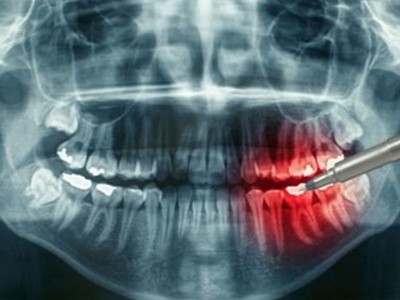
Following a visual examination, X-ray images are taken if necessary. X-rays help to visualize the spaces between teeth, the jaw structure, and the tooth roots in more detail. This plays a critical role in detecting problems that are not visible to the naked eye.
Advanced Intraoral Technologies:
In modern dental practice, advanced technologies such as intraoral cameras and digital scanners are used to obtain detailed images of the inside of the mouth. These technologies allow the dentist to make a more accurate and faster diagnosis.
Patient Communication and History Taking:
Interviews with the patient and the collected medical history provide information about their general health, dental care habits, complaints, and previous dental treatments. This helps in personalizing the treatment plan and focusing on the patient's specific needs.
Laboratory Tests:
If necessary, the oral diagnostic process may include laboratory tests. These tests are used specifically to detect infections or other health problems.
When all these steps are combined, the dentist can make a comprehensive diagnosis of the patient's oral health and create an appropriate treatment plan. Oral diagnosis is an important tool for maintaining oral and dental health, detecting problems early, and providing effective treatment.
When is an oral diagnosis performed?
Oral diagnosis can be performed at different times depending on specific situations and needs. Some situations where an oral diagnosis should be performed are as follows:
Regular Dental Checkups:
- Oral diagnosis is performed during regular dental checkups, at least twice a year.
- These checkups are critical for maintaining oral health and early detection of potential problems.
Pain or Discomfort:
- If you experience pain, tenderness, or discomfort in your mouth, you should immediately consult a dentist for an oral diagnostic examination.
- This is important for early diagnosis and prompt treatment of potential problems.
Gum Problems:
- If symptoms such as bleeding gums, swelling, or discoloration are present, an oral diagnostic process should be initiated.
- Gum problems can be a sign of serious dental disease.
Dental and Jaw Trauma:
- In cases of any trauma to the teeth or jaw, an oral diagnostic examination should be performed immediately.
- Early diagnosis of problems that may arise after trauma allows for the creation of an appropriate treatment plan.
Oral diagnosis is important for maintaining oral health, not only when symptoms appear, but also through regular checkups. For early diagnosis, effective treatment, and a healthy smile, these examinations are recommended at regular intervals.
Is Oral Diagnosis Mandatory?
Oral diagnosis is a physical examination typically performed to regularly check an individual's oral health and identify potential problems early. During regular dental checkups, dentists examine various factors in the mouth to identify cavities, gum problems, and other potential issues. This process is crucial for maintaining a patient's oral health, early detection of existing problems, and the creation of an effective treatment plan.
Furthermore, if an individual experiences symptoms such as pain, tenderness, or other discomfort in the mouth, it is important for them to consult a dentist immediately and undergo an oral diagnostic examination. These examinations may become necessary to identify the source of potential problems, make a quick diagnosis, and create an appropriate treatment plan. Therefore, whether or not an oral diagnostic examination is necessary generally depends on the individual's oral health status and the symptoms they are experiencing.
What is the importance of oral diagnosis?
Oral diagnosis plays a major role in maintaining oral and dental health, early detection of potential problems, and the creation of an effective treatment plan. This importance can be explained in the following ways:
- Early Diagnosis and Prevention:
- Oral diagnosis offers the opportunity to detect oral problems early. Early diagnosis allows problems to be addressed while they are still smaller and easier to treat.
- Furthermore, early diagnosis makes it possible to prevent potential problems and avoid more serious dental issues.
- Personalized Treatment Plans:
- Oral diagnosis allows for the creation of personalized treatment plans tailored to an individual's specific oral health. Since each person's oral structure is different, it's crucial that treatment plans are appropriate to their individual needs.
- Personalized treatment plans make it possible to achieve more effective results, tailored to the patient's current condition.
- Maintaining Public Health:
- Oral health is known to be closely related to overall health. Oral diagnosis contributes to maintaining general health by resolving problems within the mouth.
- Good oral health can reduce the risk of systemic diseases and improve overall quality of life.
- Reducing Treatment Costs:
- Early diagnosis and preventive measures make it possible to treat oral health problems on a smaller scale and more economically.
- This reduces long-term treatment costs and protects the patient's budget.
These crucial roles of oral diagnosis offer a key strategy for maintaining oral and dental health, as well as having a positive impact on overall health.
Online Appointment
Oral diagnosis is a clinical practice that uses diagnostic methods to diagnose diseases of the mouth, teeth, and mucous membranes, and determines the most appropriate treatment plan for the healing of these tissues.
For a healthy and long-lasting treatment, oral diagnosis is of great importance. Accurate diagnosis leads to accurate treatment.
Oral diagnosis is essential for determining the necessary treatment for the patient.
Dental radiography machines, also known as X-ray machines, produce synthetic radiation. This is equivalent to sitting in front of a computer for four hours.
X-rays are not suitable for pregnant patients, patients suspected of being pregnant, patients undergoing radiotherapy, and patients with heart stents.