





 444 6 240

Our specialist doctors are available six days a week. Please check our opening hours to schedule an appointment.
 Contact us via WhatsApp.
Get a free quote!


Happy Patients


Our doctors
“"Every Patient is a Pearl"”






INCILAB Laboratory
“"Our Difference for Healthy, Aesthetic and Beautiful Smiles"”
InciLab, operating under the umbrella of İnci Group, began digitally producing dental prostheses in 2020.
Combining the 10 years of experience of İnciGroup, İnciLab has been operating since 2020, providing high-quality service to patients with its expert dental prosthesis technicians, state-of-the-art equipment, and high-quality materials. Through its CAD-CAM investments with the Straumann Group, it creates prostheses entirely digitally, designing smiles that best suit and proportionate to the patient's face. This significantly reduces the number of fittings, saving time for both İnciLab, İnci Group clinics, and their patients.
With its expert team in dental prosthesis production, İnciLab manufactures prostheses for its patients with the utmost precision. Having entered the sector in 2020 with a mission of superior quality and service, İnciLab is on its way to becoming Europe's best and most hygienic dental prosthesis laboratory.




Health Guide
Why does toothache feel more severe at night?
Diş ağrısı günün her saatinde oldukça rahatsız edici olabilir. Ancak birçok kişi, özellikle geceleri diş ağrısının daha şiddetli hissedildiğini söyler. Peki diş ağrısı neden gece daha fazla hissedilir? Gece Diş Ağrısı Neden Artar? Diş ağrısının geceleri daha...

Diş Minesinin Aşınmasına Neden Olan Günlük Alışkanlıklar
Dişlerimizi korumak denildiğinde çoğumuzun aklına düzenli fırçalama ve diş ipi kullanımı gelir. Oysa diş sağlığını etkileyen bazı alışkanlıklar, gün içinde hiç düşünmeden yaptığımız küçük davranışların arasında saklı olabilir. Dişin en dış tabakası olan mine, vücudumuzdaki...
When should old dental fillings be replaced?
Dental fillings are used to repair tooth structure loss caused by decay and restore tooth function. However, it should not be assumed that a filling will remain the same for life. Over time, the filling may wear down, break, or the filling may become damaged...
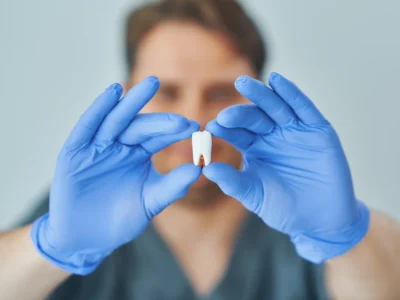
How can you tell if there's a crack in a tooth?
A crack is a fracture that occurs on the surface or inside of a tooth. Some fractures develop over time and are not noticeable, while others are clearly visible and cause pain. When a crack forms in a tooth, it can cause pain or sensitivity during chewing...

Why does toothache feel more severe at night?
Toothache is a common oral and dental health problem that can significantly disrupt daily life and seriously affect sleep patterns, especially when it occurs at night. A toothache, which is felt as a mild ache during the day, worsens when you lie down in bed at night...
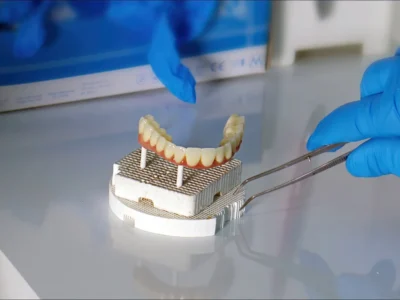
How long does it take to get used to dentures?
Starting to wear dentures is a new experience that requires getting used to, especially for those using dentures for the first time. It's quite normal to feel a different sensation in your mouth in the first few days, to have difficulty speaking, or to feel the dentures more strongly while eating. So...

What are Temporomandibular Joint Disorders (TMJ)?
The temporomandibular joint (TMJ), medically known as the jaw joint, is a vital joint that connects the lower jaw to the skull and enables us to perform basic daily functions such as speaking, chewing, and swallowing. Located on both the right and left sides, this joint is connected by muscles, ligaments...

How can children be taught the habit of brushing their teeth?
Oral and dental health is one of the most important aspects of our overall health, applicable throughout life. The foundation of our health is laid in childhood. Parents can instill good habits in their children through a shared general routine, starting at an early age.
Patient Testimonials
“"Our Happy Patients Who Have Regained Their Dental Health"”