




What are the causes of bleeding gums?
• First and foremost, bleeding gums are a very important dental problem that should not be taken lightly.
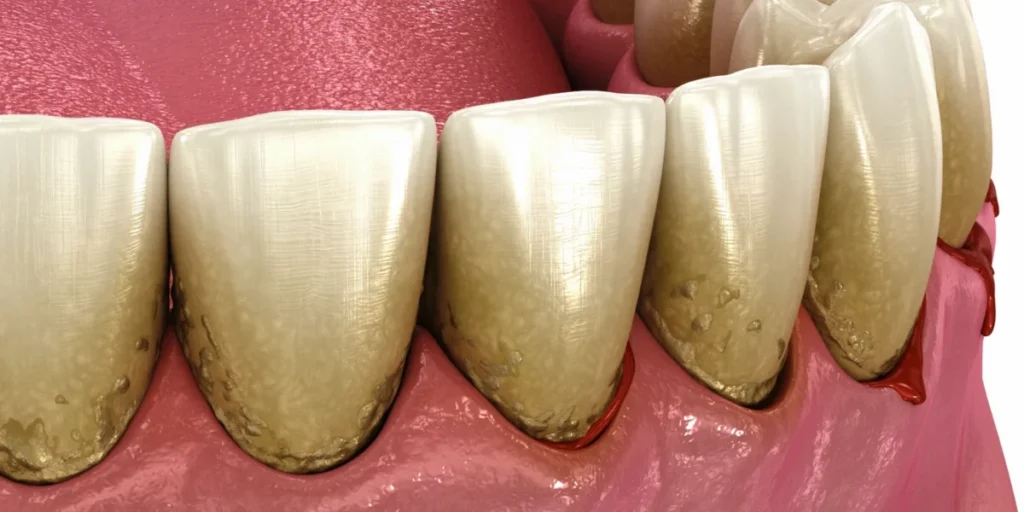
• The most common type of gum inflammation, also known as gingivitis, is caused by the accumulation of bacteria and tartar on the teeth, which makes the gums sensitive. Swelling, redness, and pain occur in the gums, and bleeding increases during brushing. If left untreated, gingivitis can lead to gum loss; it is a very important condition that should never be taken lightly. It is mostly caused by inadequate oral hygiene and poor oral cleansing.
• Incorrect or excessive brushing: The belief that brushing teeth harder will make them cleaner and healthier is a misconception. Hard-bristled toothbrushes should be avoided; instead, using a soft-bristled brush with gentle circular motions is the healthiest method.
• Plaque that accumulates on tooth surfaces eventually turns into tartar. This tartar puts pressure on the gums, leading to bacterial growth. This causes the gums to become constantly inflamed and sensitive, resulting in bleeding gums, bad breath, and gum loss. To prevent this, you should have your teeth professionally cleaned twice a year.
• Vitamin deficiencies, particularly deficiencies in vitamins C and K, can also cause bleeding gums.
• It is more common in women, especially due to hormonal changes. For example, hormonal changes such as those during menstruation and pregnancy can cause gum irritation and bleeding.
• Smoking is also one of the biggest main causes of gum bleeding. It damages the blood vessel structure, weakens the immune system, and makes healing more difficult.
• You may experience side effects from the medications you are using, such as blood thinners, birth control pills, or blood pressure medications, which can increase bleeding. You should definitely consult your doctor before stopping the medication.
• It is necessary to avoid stress; prolonged stress prolongs gum healing, weakens your immune system, and can lead to gum abscesses.
In what situations should gum bleeding be taken seriously?
If your gums bleed for more than 7 days, if the swelling, pain, or bad breath is bothersome, and if bleeding occurs before bedtime, you should definitely schedule an appointment with a periodontist without delay.