



What are crooked teeth? How can they be corrected?
Contents
- What are crooked teeth? How can they be corrected?
- What are crooked teeth and when do they occur?
- Causes of Crooked Teeth: Genetic and Environmental Factors
- Crooked Teeth Problems in Children and Early Intervention Methods
- Orthodontic Treatment Options for Crooked Teeth
- Correcting Tooth Misalignment with Veneers: Zirconium and Other Alternatives
- Wireless Tooth Correction Methods and Aesthetic Solutions
What are crooked teeth? How can they be corrected?
Proper tooth alignment is important for both aesthetics and oral health. However, it's possible to see that teeth aren't in the ideal position in every individual. While some live with mild misalignment, for others this can be more pronounced. Besides creating aesthetic concerns in daily life, it can also affect chewing functions. crooked teeth This is a common problem for many people.
Correcting this condition is important not only for a beautiful smile but also for ensuring proper tooth alignment. The causes of crooked teeth vary, and treatment options are determined according to individual needs. Different methods exist, from orthodontic treatments that begin in childhood to aesthetic solutions developed for adults. Today, dentists offer suitable treatment options to individuals with traditional braces, as well as alternative solutions such as wire-free correction methods and veneers. So, what are the causes of crooked teeth, and which treatment methods can be preferred?
What are crooked teeth and when do they occur?
Teeth deviating from their proper alignment in the jawbone and being positioned irregularly. crooked teeth It is called tooth decay. Besides making chewing difficult, it can also cause speech difficulties. Because it makes cleaning teeth harder, it can create a breeding ground for cavities and gum problems.
This condition can occur in all age groups, but early detection leads to more effective results in later years. Generally, disruptions in the shedding of baby teeth during childhood, or habits like thumb sucking, can cause teeth to erupt irregularly. In adults, it can occur as a result of jaw deformities or tooth loss.
Genetic factors play a significant role in causing teeth to become crooked. However, environmental influences are also quite important. Monitoring tooth development from a young age can help prevent potential problems.
Causes of Crooked Teeth: Genetic and Environmental Factors
The factors that cause teeth to be aligned irregularly are divided into two main groups: genetic and environmental. Is crooked tooth genetic? The answer to that question is largely yes. Inherited jaw structure, tooth size, and tooth alignment can have a direct impact.
In addition to genetic factors, there are also environmental factors that affect jaw structure and tooth position:
- Prolonged use of bottles or pacifiers during infancy
- thumb sucking or tongue thrusting habit
- Premature or delayed loss of baby teeth
- Imbalance and narrowing of the jaw structure.
- Jaw traumas and tooth loss
These factors, which prevent proper tooth alignment, can develop into a more serious condition over time. What causes crooked teeth? The answer to that question is a combination of these reasons. That's why early detection is so important.
Crooked Teeth Problems in Children and Early Intervention Methods
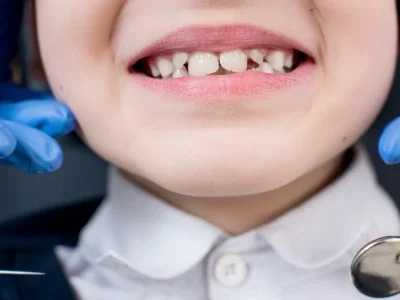
Monitoring tooth development at an early age is important to avoid needing more extensive orthodontic treatments later in life. Crooked teeth in children Although the problem is usually caused by hereditary factors, some habits can also negatively affect jaw structure.
Some signs can be noticed early in the tooth development process:
- Imbalance in the closure of the upper and lower jaws.
- Loss of baby teeth earlier or later than normal
- Feeling of imbalance while chewing.
- The lower jaw shifting forward or backward.
If these symptoms are observed, a pediatric dentist should be consulted. Early intervention can lead to simple solutions that may not require more extensive orthodontic procedures in the future.
 Orthodontic Treatment Options for Crooked Teeth
 Orthodontic Treatment Options for Crooked Teeth
The most common method for correcting crooked teeth is orthodontic treatment. Methods such as braces or clear aligners are used to bring the teeth into their ideal position. How can crooked teeth be straightened? The answer to this question may vary depending on the treatment options determined according to the individual's needs.
The following methods stand out among orthodontic treatments:
- Metal or ceramic braces
- Wireless orthodontic correction with clear aligners
- Lingual orthodontics (wires placed on the inside of the teeth)
Each of these methods is applied according to the current condition of the teeth and the patient's expectations.
Correcting Tooth Misalignment with Veneers: Zirconium and Other Alternatives
In some cases, aesthetic veneers may be preferred over orthodontic treatment. Especially if the tooth misalignment is mild, veneers can provide a quick solution. Dental crowns for crooked teeth The method involves filing down the teeth and then placing porcelain or zirconium veneers on them.
Coating methods include the following options:
- Porcelain laminate veneers
- Crooked tooth zirconium crown
- Composite bonding applications
Zirconium for crooked teeth It is frequently preferred because it offers a durable and natural look. For patients who prioritize aesthetic concerns, these methods can be quite advantageous.
Wireless Tooth Correction Methods and Aesthetic Solutions
For those who do not want to wear braces, wireless orthodontic solutions have been developed. How can crooked teeth be straightened without braces? One of the most common answers to this question is clear aligners. These aligners correct the position of teeth over time, minimizing aesthetic concerns.
Radio correction methods include the following:
- Clear aligners (Invisalign, etc.)These are clear aligners that gradually correct the position of teeth. They are custom-designed for comfortable use and do not create a noticeable aesthetic appearance. These aligners, which need to be changed regularly, are suitable for mild to moderate cases. crooked teeth It is an effective solution to their problems.
- Orthodontic elastics and removable appliancesThese are orthodontic appliances, usually worn at night, used to correct jaw and tooth alignment. These appliances, particularly used during childhood, guide jaw development. crooked teeth correction It helps in the process. Orthodontic elastics, when used in conjunction with existing braces, accelerate the process of teeth moving into the correct position.
- Concealing minor imperfections with bonding.Dental implants are a minimally invasive aesthetic procedure that involves applying a special composite material to the tooth surface. They offer a quick and painless solution for correcting mild misalignments and are preferred in cases where orthodontic treatment is not required. Slightly crooked teeth In cases of dental problems, it helps achieve a more even appearance without damaging the natural structure of the teeth.
How can crooked teeth be corrected? The answer to this question depends on the individual's dental structure and expectations. Bonding or veneers are preferred for mild misalignment, while orthodontic treatment becomes unavoidable in moderate and severe cases.
Dental misalignment is not only an aesthetic issue but also a health concern. Early intervention can help resolve the problem without the need for extensive treatments. Crooked teeth treatment methods Although there are different options available, each individual's needs are different.
To receive professional support, you can consult with experts at İnci Dental Clinic and create the most suitable treatment plan for you. Don't delay for a healthy and aesthetically pleasing smile!