




What is Tartar and How is it Treated?
Oral health is an important part of our overall health. However, our daily habits and small details we neglect can sometimes lead to serious problems. One of these is tartar. Tartar is a hardened plaque layer that accumulates on the surface of teeth and often forms when regular dental cleanings are not performed.
While many people consider tartar to be merely an aesthetic problem, its effects on gum health can be quite serious. This article will discuss what tartar is, how it forms, its symptoms, and treatment methods. You will also learn what you can do to prevent tartar formation and how to maintain proper dental care after cleaning.
Contents
- What is Tartar and How Does it Affect Dental Health?
- How Does Tartar Form? Causes and Risk Factors
- Causes of Tartar Formation:
- What are the symptoms of dental tartar?
- Signs of Tartar:
- Professional Tartar Removal Methods
- Tartar Removal Methods:
- Measures to Prevent Tartar Formation
- Oral and Dental Care After Tartar Removal
What is Tartar and How Does it Affect Dental Health?
Tartar, which can be seen on teeth, is a hard, mineralized structure that forms on the surface of teeth. It occurs as a result of uncleaned dental plaque hardening over time. What is tartar? The answer to this question is that plaque buildup, a natural enemy of teeth, is actually an advanced stage of tooth decay. If left untreated, it can seriously threaten the health of your teeth and gums.
Tartar buildup on tooth surfaces is not only aesthetically bothersome, but can also lead to gum inflammation and tooth loss. What is dental tartar? To better understand this question, it's important to know its effects on our dental and gum health. Tartar makes brushing teeth more difficult, creating a breeding ground for cavities.
These hard plaques that form in the mouth cause many problems, not only aesthetically but also in terms of health. Especially... tartar teeth It can accumulate on the surface of the gums, leading to gum recession and increased sensitivity. Therefore, regular cleaning and proper oral hygiene practices are crucial to prevent tartar formation.
If you want to protect your dental health, you need to review your oral hygiene habits. Learning about the harmful effects of tartar, in particular, can help you take more informed steps in this regard.
 How Does Tartar Form? Causes and Risk Factors
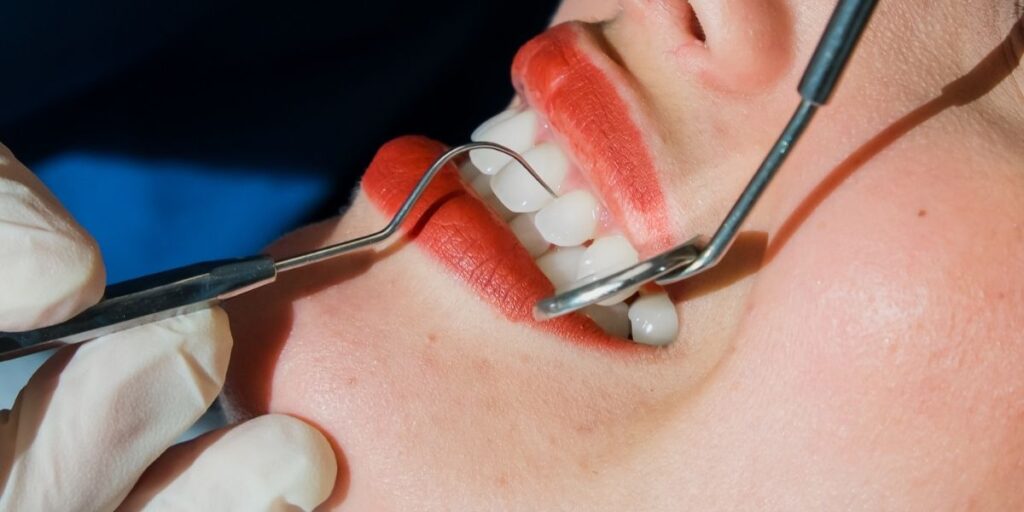 How Does Tartar Form? Causes and Risk Factors
Tartar, a common problem, is the result of plaque accumulating on teeth and hardening over time. So, what is it?, How does tartar form? And what are the main reasons for this? The answer to this question is closely related to how effective your oral hygiene habits are.
Causes of Tartar Formation:
- Irregular Tooth BrushingNot brushing your teeth regularly leads to the buildup and hardening of plaque. Bacteria multiply rapidly, especially when food particles are not removed, and... What causes tartar? This becomes one of the most important answers to the question.
- Unhealthy Eating HabitsFoods high in sugar and carbohydrates can increase bacterial growth in the mouth, leading to plaque buildup. This is a significant factor in triggering tartar formation on the tooth surface.
- Insufficient FlossingUsing dental floss is very important for cleaning plaque between teeth. When neglected, plaque that accumulates especially between teeth eventually turns into tartar.
- Smoking and Tobacco Product UseSmoking seriously affects oral health and accelerates tartar formation. Tobacco products cause staining and hardening of plaque on teeth.
- Genetic FactorsIn some individuals, genetic predisposition can increase tartar formation. People with a family history of gum disease are at greater risk.
Knowing the main causes of tartar formation is a big step in protecting your dental health. However, knowing the causes alone is not enough; you also need to take the right precautions to minimize the risk factors.
What are the symptoms of dental tartar?
Although it may be difficult to see with the naked eye, tartar can manifest itself through symptoms that negatively affect oral health. Early intervention is possible by recognizing these symptoms.
Signs of Tartar:
- Gum BleedingBleeding, the most common symptom of gum disease, is usually... What is dental tartar? This is one of the answers to the question. Tartar buildup at the gum line can increase sensitivity and lead to bleeding.
- Bad BreathTartar buildup on teeth provides a suitable environment for the growth of bacteria that cause bad breath. Tartar formation is frequently seen in individuals who experience chronic bad breath.
- Swollen GumTartar can put pressure on the gums, causing inflammation and swelling. This is an early sign of gum disease.
- Yellow or Brown SpotsDiscoloration of the tooth surface is often indicative of tartar buildup. These signs are particularly noticeable in smokers.
- Tooth SensitivityTartar can damage tooth enamel, increasing sensitivity to hot and cold foods. This is often a problem that requires treatment.
It is important to consult a dentist if you notice these symptoms. Early diagnosis is one of the most effective ways to protect your oral health.
Professional Tartar Removal Methods
Dentists use various methods to remove tartar. Dental tartar removal These procedures are necessary to maintain dental health and completely remove tartar.
Tartar Removal Methods:
- Ultrasonic CleaningIn this method, a vibrating device is used to break down and remove tartar from the tooth surface. The procedure is painless and quick.
- Manual Cleaning (Curettage)The dentist manually removes tartar using specialized instruments. This method is particularly effective for hardened plaque under the gums.
- Tooth PolishingAfter cleaning, a polishing process is applied to smooth the tooth surface. This method makes the teeth look bright and healthy.
- Laser TreatmentAdvanced laser devices are used to effectively remove tartar from teeth and gum lines. This method is ideal for sensitive areas.
- Chemical ApplicationsSome specialized chemical solutions soften tartar, making the cleaning process easier. This method can be used in conjunction with other methods.
You can protect your oral health by choosing the method recommended by your dentist. Professional cleaning is the most effective way to control tartar buildup.
Measures to Prevent Tartar Formation
 Measures to Prevent Tartar Formation
To prevent tartar buildup, you should pay attention to your daily oral hygiene habits. What can be done to prevent tartar formation? The answers to this question can help you protect your dental health in the long term.
Measures:
- Regular Tooth BrushingYou can prevent plaque buildup by brushing your teeth at least twice a day using the correct technique. This habit largely prevents tartar formation.
- Using Dental FlossUsing dental floss to remove plaque between teeth is essential. This simple method is very effective in preventing tartar buildup.
- MouthwashesYou can reduce bacterial growth by using anti-plaque mouthwashes. These products are especially effective in controlling plaque, which causes tartar.
- Healthy EatingYou can protect your teeth by avoiding sugary and acidic foods. A healthy diet supports oral health and reduces tartar buildup.
- Regular Dental CheckupsVisiting your dentist every six months is one of the most effective ways to maintain your oral health. Professional cleaning prevents tartar buildup.
By taking these measures, you can keep your teeth healthy and clean for a long time. Regular oral hygiene habits are the biggest obstacle to tartar buildup.
Oral and Dental Care After Tartar Removal
Maintaining regular oral hygiene after tartar removal is very important. Teeth can become more sensitive after cleaning, so careful care is necessary.
You can prevent plaque buildup by gently brushing your teeth with a soft-bristled brush. You can also support cleaning by using dental floss and mouthwash. Tartar removal These steps are quite effective in maintaining oral health after the procedure.
Regular dental checkups are also important. To maintain your oral health, you should have cleanings done at the intervals recommended by your dentist. The most effective way to protect your teeth is through your daily oral hygiene habits.
Inci Dental offers professional services to protect your oral and dental health at the highest level. Contact our expert team for a healthy smile!