


Can veneers be used to replace missing teeth?
Missing teeth can create both aesthetic and functional problems. People resort to various methods to solve these problems, and dental veneers hold an important place among them. Veneers are a frequently preferred procedure to replace missing teeth and restore oral health. So, is it possible to replace missing teeth with veneers, and in what situations is this procedure preferred? Let's examine veneer methods and alternative solutions while seeking answers to these questions.
Contents
- Dental Veneers for Missing Teeth: When Are They Applied?
- Replacing Missing Teeth with Zirconium Veneers
- Can crowns be used to replace missing teeth?
- Aesthetic and Functional Solutions Provided by Zirconium Crowns for Missing Teeth
- Missing Tooth Replacement Alternatives: What Options Are Available Besides Veneers?
Dental Veneers for Missing Teeth: When Are They Applied?
Missing teeth can lead to serious oral health problems. Many people search for the answer to the question "what can be done about missing teeth?", especially due to impaired chewing function and aesthetic concerns. Veneers are one method of replacing missing teeth and offer a supportive solution in areas where teeth have been lost. In this method, veneers are placed on adjacent teeth, and the gap is aesthetically closed.
Replacing missing teeth with crowns is generally preferred if the tooth root is absent. In cases where the tooth root is missing, crowns can be a faster and easier solution than alternatives like implants. However, options for replacing missing teeth should be evaluated on an individual basis.
For those experiencing missing teeth, learning about alternative treatment methods besides veneers is crucial for making the right treatment choice. However, veneers are often the first choice, especially when aesthetic concerns are paramount.
Replacing Missing Teeth with Zirconium Veneers
Zirconium crowns are an aesthetic method that provides a solution to missing teeth by applying zirconium to the missing tooth. This material is frequently preferred due to its durability and natural-looking appearance. The use of zirconium in place of missing teeth is particularly popular because it provides an aesthetic appearance, especially in front teeth.
Zirconium offers a long-term solution for missing teeth because it is more durable and lighter than other types of veneers. The veneered area looks almost identical to a natural tooth. These features make zirconium veneers attractive for those seeking a "solution to missing teeth".
The advantages of zirconium coating can be listed as follows:
- It is durable and provides long-lasting use.
- It offers the closest appearance to natural teeth.
- Because it contains no metal, there is no risk of allergies.
Zirconium crowns for missing teeth not only offer aesthetic advantages but also have the potential to protect oral health in the long term.
 Can crowns be used to replace missing teeth?
 Can crowns be used to replace missing teeth?
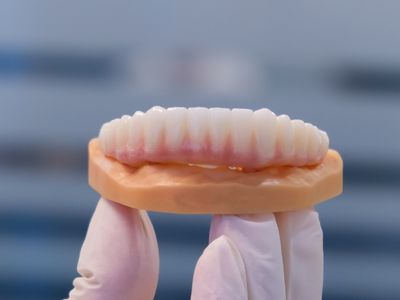
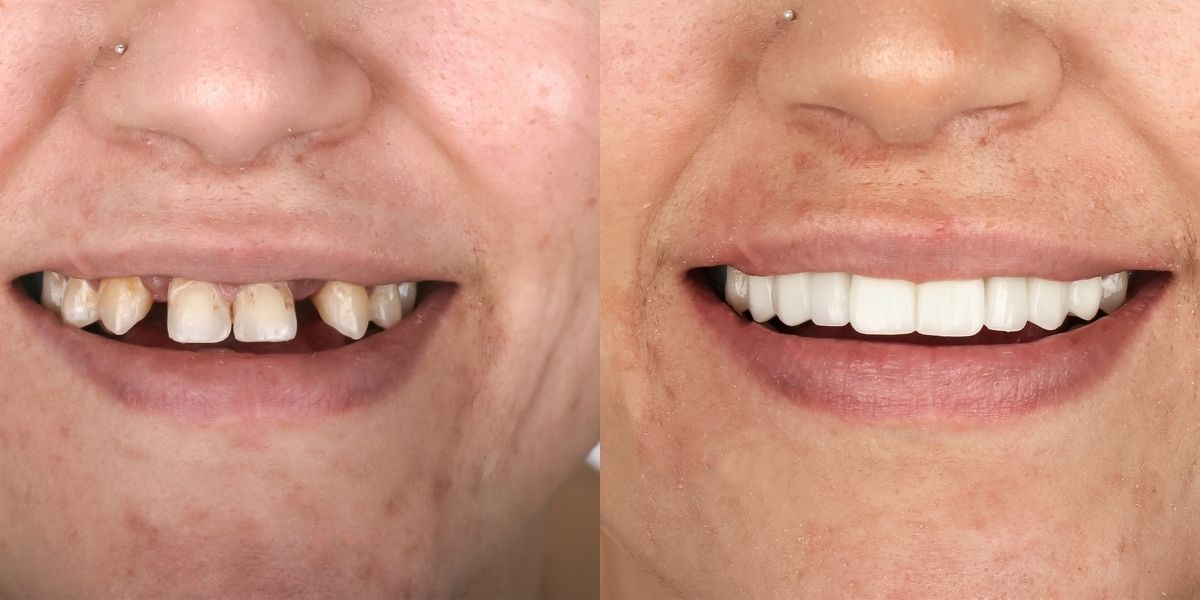
Missing teeth can lead to deformities in the oral structure over time. So, is it appropriate to replace missing teeth with crowns? Replacing missing teeth with crowns is possible using bridge methods. With this method, a crown is applied to the missing tooth using support from neighboring teeth, thus resolving the tooth loss.
Veneers aesthetically correct missing teeth while also restoring oral function. Basic functions like speaking and chewing return to normal when a veneer is applied to a missing tooth. However, it's important to determine whether a veneer or an alternative method is more suitable, based on your dentist's recommendation.
Whether or not a veneer treatment is possible depends on the size and location of the missing tooth. Therefore, the answer to the question of what to do for a missing tooth can vary from person to person.
Aesthetic and Functional Solutions Provided by Zirconium Crowns for Missing Teeth
Zirconium crowns, used to replace missing teeth, offer both aesthetic and functional solutions. Compared to other crown materials, zirconium provides a more natural appearance and ensures a natural fit. From an aesthetic point of view, replacing missing teeth with zirconium crowns yields results closest to natural teeth. This is a significant advantage for those experiencing tooth loss.
Functionally, zirconium crowns increase the durability of teeth, allowing functions such as chewing and speaking to continue properly. One of the greatest advantages of using zirconium crowns to replace missing teeth is that they create a strong structure in the mouth. Thus, tooth loss does not affect oral health in the long term.
Another important advantage of this coating is that, because it does not contain metal, it does not create negative effects such as a metallic taste in the mouth. Thanks to the advantages of zirconium coatings, replacing missing teeth with coatings stands out as a reliable and aesthetic solution.
Missing Tooth Replacement Alternatives: What Options Are Available Besides Veneers?
Besides veneers, there are various alternative methods for replacing missing teeth. For those experiencing tooth loss, different solutions can be offered to the question "what to do about a missing tooth?". Other methods that can be preferred instead of veneers include:
- Implant: It offers a long-term solution by replacing the tooth root. This method, which does not damage bone tissue, is frequently preferred in cases of single tooth loss.
- Prosthesis: Removable dentures, which can be used when multiple teeth are missing, are prepared to fit the individual's oral structure.
- Bridge: It is a fixed method applied in the area where teeth are missing, using support from neighboring teeth.
These alternatives should be evaluated on an individual basis during the missing tooth replacement process. The most suitable solution is determined and applied after a detailed examination by a dentist. Veneers offer a quick and aesthetically pleasing option among these alternatives.