



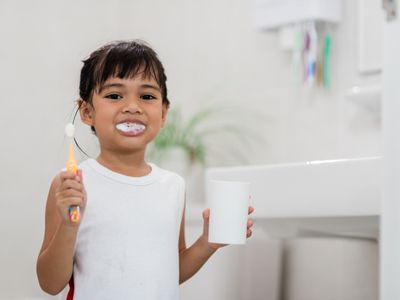
Instill good toothbrushing habits in your children with the 21-day rule.
Dental health is vital for children's overall health and happiness. As parents, you should take responsibility for your children's health. tooth brushing habit Making brushing a habit ensures that your children will have healthy teeth for life. In this article, you will discover effective ways to make brushing your children love it and develop a habit. Especially... 21-day rule With this app, it's possible to make the tooth brushing process more enjoyable.
The Importance of Brushing Teeth in Children
Tooth decay and gum disease are among the most common health problems in children. The most effective way to prevent these problems in children is to teach them at an early age. tooth brushing habit The goal is to improve oral hygiene. Brushing teeth not only maintains oral hygiene but also positively impacts overall health. Healthy teeth boost children's self-confidence and enable them to be more active in their social lives.
The long-term effects of toothbrushing on children are quite significant. Children who develop a regular toothbrushing habit experience fewer dental problems in later life. Furthermore, a healthy mouth helps prevent other health problems. Therefore, explaining the importance of toothbrushing to children and instilling this habit is one of the most important tasks of parents.
To protect children's dental health, it's essential for them to develop a regular brushing habit. This habit also plays a significant role in preventing more serious dental problems later in life. You can motivate your children by explaining the benefits of brushing their teeth.
At what age should children start brushing their teeth?
Establishing good tooth brushing habits in children should begin in infancy. This habit should start with the eruption of the first teeth, which usually appear between 6 and 12 months of age. During this period, gently wiping the gums with a clean cloth lays the foundation for good tooth brushing habits.
Starting toothbrushing habits in infancy ensures children have healthier teeth in later years. It's important to use a soft-bristled, small-headed toothbrush for babies. Children can start using toothpaste when they reach two years old. However, it's crucial to ensure the toothpaste is fluoride-free and specifically formulated for children.
From the age of three, children should be allowed to brush their own teeth. However, parents should guide them through this process and teach them the correct brushing techniques. Ensure children brush their teeth for at least two minutes. Making brushing fun during this period will help them develop this habit more easily.
What should be considered when choosing a toothbrush for children?
Choosing the right toothbrush for children plays a crucial role in helping them develop good brushing habits. The right toothbrush makes the brushing process more comfortable and effective. Therefore, there are some important points to consider when selecting a toothbrush.
- Soft Bristles and Small Head: Because children's teeth and gums are quite sensitive, toothbrush bristles should be soft. Soft bristles provide effective cleaning without damaging teeth and gums. Additionally, toothbrushes with small heads fit more comfortably in children's mouths and make it easier to clean hard-to-reach teeth.
- Ergonomic and Non-Slip Handle: It's important that the toothbrush handle is ergonomic so children can hold it comfortably. Toothbrushes with non-slip handles allow children to grip the brush better while brushing. This helps make the brushing process more controlled and effective.
- Fun and Attractive Design: The design of toothbrushes is also important for children to develop good brushing habits. Toothbrushes decorated with colorful cartoon characters or beloved animal figures attract children's attention and make brushing more fun. Children enjoy using toothbrushes decorated with their favorite characters and participate more willingly in the brushing process.
- Suitable Age Group and Safety: When choosing a toothbrush, it's important to select models appropriate for your child's age. Toothbrushes are generally categorized by age group. Toothbrushes designed for specific age groups are manufactured to suit children's oral structures and provide more effective cleaning. Furthermore, you should ensure the toothbrush meets safety standards. Toothbrushes made from BPA-free, non-toxic materials should be preferred.
- Electric Toothbrushes: For some children, electric toothbrushes can make the brushing process more fun and effective. Thanks to their vibrating and rotating heads, electric toothbrushes provide better cleaning of tooth surfaces. However, the use of electric toothbrushes should be evaluated according to the child's age and dental health condition. Electric toothbrushes are generally suitable for children aged 3 and older.
Choosing the right toothbrush for children is crucial for developing good brushing habits and maintaining good dental health. Toothbrushes with soft bristles, small heads, ergonomic handles, and fun designs help children enjoy brushing and develop this habit. Furthermore, choosing a toothbrush that is age-appropriate and meets safety standards ensures a more effective and safe brushing process. As parents, you can contribute to your children's healthy teeth by choosing the right toothbrush.
 How to teach children the habit of brushing their teeth?
 How to teach children the habit of brushing their teeth?
One of the most effective ways to instill good toothbrushing habits in children is to make the process fun and engaging. Using colorful toothbrushes with cartoon characters specifically designed for children will capture their attention. Additionally, watching toothbrushing songs or videos made for children can also make the process more enjoyable.
Rewarding your children is also an effective way to instill the habit of brushing their teeth. A reward system motivates children to brush their teeth. For example, giving a small reward after each regular brushing helps children adopt this habit.
Parents serving as role models for their children is a significant factor in instilling good tooth brushing habits. Children emulate their parents' behavior. Therefore, parents demonstrating that they regularly brush their teeth makes it easier for their children to develop this habit.
Applying the 21-Day Toothbrushing Rule to Children
21-day rule, It states that it takes an average of 21 days to form a habit. This rule applies to children. to instill the habit of brushing teeth This also applies to children. If children brush their teeth regularly for 21 days, this habit will become permanent. Guiding and motivating children for 21 days will help establish the habit of brushing their teeth.
To start this process, you can create a toothbrushing schedule with your children. Putting a mark on the calendar after each brushing helps children see their progress. This also allows them to experience a sense of accomplishment.
It's important to remind children to brush their teeth morning and evening for 21 days. During this period, exploring fun ways to instill good brushing habits is also helpful. For example, using an hourglass or timer to measure brushing time can encourage children to complete their brushing.
To instill the habit of brushing teeth Applying the 21-day rule helps children maintain healthy teeth. During this process, parental patience and consistency play a critical role in helping children develop good brushing habits. By instilling this important habit in your children, you can ensure they have healthy smiles for life.