



What happens if a wisdom tooth isn't extracted?
Wisdom teeth are the third molars that usually erupt during puberty. Their eruption can sometimes cause problems, and they may need to be extracted. This article will focus on important information regarding wisdom tooth eruption, symptoms, and extraction.
Contents
When do wisdom teeth erupt?
Wisdom teeth typically erupt in late adolescence or early adulthood, between the ages of 17 and 25. This timeframe can vary depending on a person's genetic makeup, oral structure, and other factors. In some individuals, wisdom teeth may erupt earlier or later, while in others they may not erupt at all.
The eruption of wisdom teeth can often be painful. Because these teeth are located behind other teeth and are often crowded, they can put pressure on surrounding tissues as they erupt. This can lead to problems such as pain, swelling, and even jaw locking.
In some cases, the eruption of wisdom teeth can be completely painless. In this situation, no discomfort may be felt because the teeth erupt in the correct position and do not put pressure on surrounding tissues. However, in most cases, the eruption of wisdom teeth comes with some degree of pain or discomfort.
The pain and discomfort experienced during the eruption of wisdom teeth are usually temporary. However, there are some methods to alleviate this discomfort. For example, pain relievers can be used or cold compresses can be applied. Nevertheless, if severe pain, inflammation, or other serious problems arise during the eruption of wisdom teeth, it is important to consult a dentist. You can consult the expert dentists at İnci Dental for any questions or problems related to your wisdom teeth.
How many wisdom teeth are there?
How many wisdom teeth are there? Normally, an individual has four wisdom teeth in their mouth: two on top (one on the right and one on the left) and two on the bottom (one on the right and one on the left). However, some people may not have wisdom teeth at all, or their number may vary. Also, in rare cases, it is possible for extra wisdom teeth to erupt. While generally an individual has a total of four wisdom teeth, each individual's tooth structure and number can differ. Therefore, the number of wisdom teeth can vary from person to person.
Where do wisdom teeth erupt?
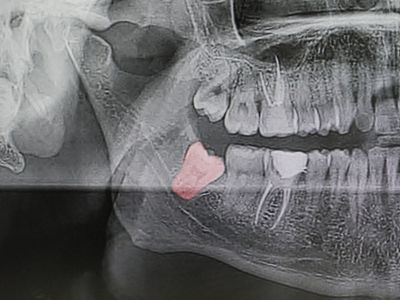
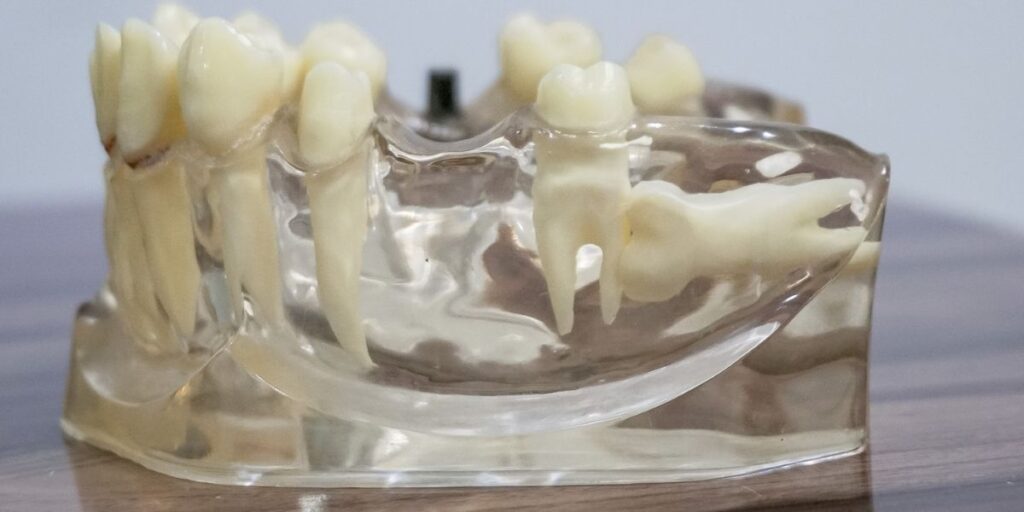
Wisdom teeth typically erupt at the very back of the dental arch, just behind the other molars. This is generally a natural part of the jaw structure and dental arch. However, the location and position of wisdom teeth can vary from person to person. In some people, wisdom teeth erupt completely level with the other teeth and properly. However, in some cases, wisdom teeth may be located horizontally, either below or next to other teeth.
This horizontal position can prevent wisdom teeth from erupting properly and put pressure on surrounding tissues. In such a case, the risk of discomfort, pain, and even damage to other teeth increases during wisdom tooth eruption. Additionally, wisdom teeth in a horizontal position are more difficult to clean, which can increase the risk of decay and infection.
The position and condition of wisdom teeth should be evaluated by a dentist. The dentist will assess the condition of the wisdom teeth using X-rays and other examination methods and intervene if necessary. Therefore, it is important to consult a dentist if you have any concerns about the position of your wisdom teeth or if you are experiencing pain.
Can a wisdom tooth decay before it fully erupts?
Yes, wisdom teeth carry a risk of decay even before they fully erupt. During the eruption of wisdom teeth, it's possible for the teeth to remain partially or completely under the gum line, or to tilt sideways. This makes cleaning the teeth more difficult and can lead to the accumulation of food particles and bacteria. As a result, food particles trapped between the surrounding teeth and the wisdom teeth can initiate decay and lead to the development of gum infections.
Furthermore, failure of wisdom teeth to fully erupt can create a gap in the gum pocket. This gap allows food particles to accumulate and bacteria to multiply, leading to decay and other oral health problems over time. Incomplete wisdom tooth eruption can also cause symptoms such as swelling, tenderness, and pain around the gums.
For these reasons, regular brushing and flossing are important to prevent decay in wisdom teeth before they fully erupt. Regular dental checkups are also crucial for early diagnosis and treatment. If you experience pain or discomfort during wisdom tooth eruption, or notice signs of decay in your surrounding teeth, it's important to consult a dentist.
 When should I have my wisdom tooth extracted?
 When should I have my wisdom tooth extracted?
Whether or not wisdom teeth should be extracted depends on a number of factors and generally varies from person to person. If your wisdom teeth are not causing any problems or pain when they erupt, they usually don't need to be extracted. However, in some cases, wisdom teeth may need to be extracted.
Firstly, if any problems arise during the eruption of wisdom teeth, your dentist will likely recommend extraction. For example, a gum infection or other oral infections may develop, leading to pain, swelling, and other discomfort. In this case, extraction of the wisdom teeth may be necessary to prevent the spread of infection and avoid damage to other teeth.
Another situation is when the eruption of wisdom teeth puts pressure on or damages surrounding teeth. In this case, extraction of the wisdom tooth may be necessary for the health of the surrounding teeth. Additionally, the position of wisdom teeth can make them difficult to clean, leading to decay or damage. In this case, your dentist will also recommend extraction.
Finally, it's important to consult a dentist to make the best decision about whether or not your wisdom teeth should be extracted. The dentist will assess the condition of your wisdom teeth using X-rays and other examination methods and recommend the most appropriate treatment option. If you have any concerns about your wisdom teeth or doubts about whether they need to be extracted, it's crucial to consult a dentist.
Situations Requiring Wisdom Tooth Extraction
Sometimes you might wonder whether wisdom teeth should be extracted. The situations in which wisdom teeth need to be extracted can vary and generally depend on individual needs and health conditions. However, in general, wisdom teeth may need to be extracted in the following situations:
- Pain and Discomfort: If you experience pain, swelling, or discomfort during the eruption of your wisdom teeth, this may indicate a gum infection or other oral infections. Your dentist may recommend extraction of the wisdom tooth to prevent the infection from spreading and to relieve the pain.
- Space Constraints and Other Dental Problems: The position of wisdom teeth can put pressure on or damage surrounding teeth. Extraction of wisdom teeth may be necessary, especially when they are crowded or tilted, to protect the health of the surrounding teeth. In such cases, extraction is crucial for proper alignment and maintaining the health of the other teeth.
- Decay and Damage: The position of wisdom teeth can make them difficult to clean, leading to decay or damage. If wisdom teeth are decayed or damaged, your dentist will recommend extraction.
- Need for Orthodontic Treatment: In some cases, the eruption of wisdom teeth can interfere with tooth alignment or the closing of gaps between teeth. In such cases, extraction of wisdom teeth may be necessary to improve the effectiveness of orthodontic treatment.
These are common situations encountered when wisdom teeth need to be extracted. However, each individual's situation is different, and it's important to consult a dentist to make the most informed decision about whether or not extraction is necessary.
What happens if a wisdom tooth isn't extracted?
If wisdom teeth are not extracted, they can cause various problems. Some possible consequences of not extracting wisdom teeth are as follows:
- Pain and DiscomfortIf wisdom teeth erupt without sufficient space or put pressure on surrounding teeth, this can cause pain and discomfort. Swelling and pain, especially around the gums, may be felt.
- Tooth Decay and Infection: During the eruption of wisdom teeth, the risk of decay can increase due to the accumulation of bacteria around the gums and the difficulty in cleaning them. In this case, decay can progress and lead to gum infections.
- Tooth Interlocking: The position of wisdom teeth can put pressure on surrounding teeth, causing them to crowd. This can prevent proper tooth alignment and lead to changes in jaw structure.
- Cyst or Malignant Tumor Development: When wisdom teeth erupt, they can put pressure on surrounding tissues, leading to the development of cysts or malignant tumors. Although this is rare, it can cause serious health problems.
- Jaw Problems: The impact or pressure caused by the eruption of wisdom teeth can lead to changes in the jaw structure. This can result in various jaw problems such as jaw pain, temporomandibular joint problems, and restricted jaw movement.
For these reasons, whether or not your wisdom teeth need to be extracted should be determined by your dentist. The expert dentists at İnci Dental will evaluate the condition of your teeth and recommend the most suitable treatment option for you.