



How to Recognize a Narrow Palate? What Causes a Narrow Jaw?
Jaw structure doesn't usually attract much attention. However, in some cases, problems such as jaw narrowing can occur, negatively affecting a person's quality of life. narrow palate This is one of these problems. In this article, we will examine in detail what palate narrowing is, how to diagnose it, and the causes of jaw narrowing.
Contents
What is Palate Narrowing? How is it Diagnosed?
Narrow palate or What is jaw narrowing?, The answer to the question is that the upper or lower jaw is smaller than its normal size. This is a congenital anatomical problem and can cause various health problems. Palate narrowing usually results from problems related to tooth and jaw development. There are two types: upper palate narrowing and mandibular narrowing. How to recognize a narrowed palate?, The answer to this question is explained below.
Narrow Palate
Narrow upper palate, This is a condition where the upper jaw is smaller than normal. This is usually caused by genetic factors and may be noticed in infancy or childhood. Symptoms of upper jaw narrowing may include:
- Dental Problems: Gaps between teeth, irregular tooth alignment, or crowding may be observed.
- Respiratory Problems: Nasal congestion can lead to mouth breathing, snoring, or difficulty breathing during sleep.
- Speech Problems:Upper jaw narrowing, This can cause speech problems. Issues such as slurred speech or difficulty being understood may occur.
Mandibular Constriction
This is a condition where the lower jaw is smaller than its normal size. This can occur as a result of the jaw structure not developing properly due to genetic or orthodontic reasons. Symptoms of lower jaw narrowing These could be:
- Facial Asymmetry: In this case, a lack of facial symmetry may be observed. The face may appear tilted or distorted, often to one side.
- Restricted Jaw Movement: Individuals with a narrow mandibular joint may experience restricted jaw movement. This may be noticeable during chewing or speaking.
- Dental Problems: This can cause the lower teeth to be behind the upper teeth. This can prevent the teeth from closing properly.
Narrow palate is usually noticeable through its symptoms. Dentists Dental or orthodontists may detect signs of palate narrowing during routine examinations. However, in some cases, the symptoms may be mild and may not be diagnosed early. Therefore, regular dental checkups are important. If signs of palate narrowing are noticed, it is important to consult a specialist and receive appropriate treatment.
 How is palate narrowing diagnosed? What are the symptoms?
 How is palate narrowing diagnosed? What are the symptoms?
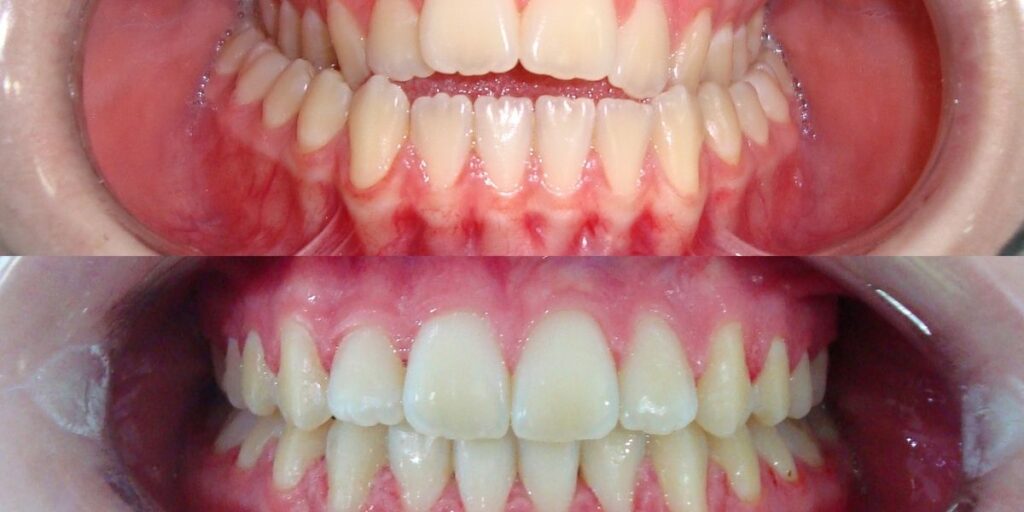
Palate narrowing is a condition that can usually be recognized by its symptoms. Symptoms can be detected, especially in children and young people, through careful observation. The general symptoms of palate narrowing are as follows:
- Dental Problems: Individuals with narrow palates often experience dental problems. Spaces between teeth, irregular tooth alignment, or crowding are common. This can affect the normal closing of teeth and chewing function.
- Respiratory Problems: Individuals with a narrow upper palate often experience breathing problems due to nasal congestion. This may necessitate mouth breathing and lead to issues such as snoring during sleep. Furthermore, they may experience difficulty breathing during sleep or develop more serious breathing disorders such as sleep apnea.
- Speech Problems: A narrow palate can also cause speech problems. Individuals with a narrow upper palate may experience issues such as lisping, unintelligibility during speech, or difficulty pronouncing sounds correctly. This can create difficulties in social interactions and affect an individual's self-confidence.
- Facial Asymmetry: Facial asymmetry can be seen especially in individuals with a narrow lower jaw. When the lower jaw is smaller than its normal size, a lack of facial symmetry can occur. This can cause one side of the face to appear smaller or more crooked than the other.
- Restricted Jaw Movements: Individuals with a narrow mandibular joint may experience restricted jaw movement. This can cause difficulty during chewing or prevent full jaw movement.
Symptoms of palate narrowing can vary from person to person, and sometimes the symptoms may be mild. However, recognizing the symptoms and diagnosing them early can facilitate the treatment process and lead to more positive results. Therefore, regular dental checkups and consultation with a specialist are important. If symptoms of palate narrowing are noticed, a specialist dentist or orthodontist should be consulted to determine an appropriate treatment plan.
How is Palate Enlargement Performed?
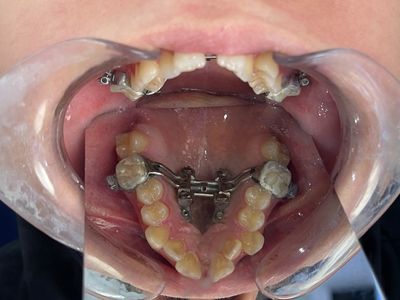
For individuals with a narrow palate palate expansion This method can be applied. This method is used to correct jaw structures and restore their normal function. The palate widening procedure is performed in the following steps:
- Inspection and Evaluation: First, a dentist or orthodontics Doctors determine the extent and shape of palate narrowing by examining the patient's jaw structure.
- Measurement Taking: Custom-made appliances (expansion devices) are produced by taking measurements from the patient's mouth.
- Appliance Application: The appliance is placed behind the upper teeth and expanded at specific intervals. This ensures the jaw is in the correct position.
- Monitoring and Adjustments: Progress is checked regularly and adjustments are made to the device if necessary.
Palate widening surgery, when used regularly over a period of time, can yield successful results and help correct jaw structure.
Palate narrowing is a condition that can lead to various health problems. However, with proper diagnosis and treatment, it is possible to overcome these problems. If you are experiencing symptoms of palate narrowing, it is important to consult a dentist or a specialist orthodontist.