

What are Wax Up and Mock Up?
Dental restoration is a vital part of modern dentistry. Various techniques are used in this process to meet the patient's aesthetic and functional needs. Techniques like wax-ups and mock-ups are important tools that help the patient visually see and approve the results. In this article, we will examine the concepts of wax-ups and mock-ups in detail.
Contents
What is Wax Up?
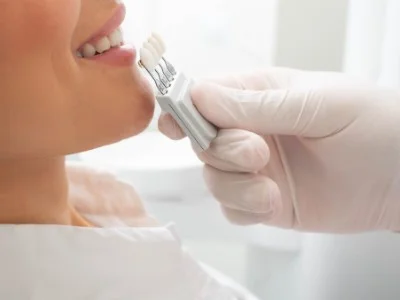
Wax-up is a technique used in dentistry. This technique involves creating a wax model on the patient's existing teeth. This model helps the patient better understand the desired results visually and allows the dentist to plan the course of treatment.
Dentists use wax-up techniques to meet a patient's aesthetic or functional needs. This technique can be used to determine the smile or other aesthetic changes the patient desires. In particular... aesthetic dentistry This technique is important for restoration treatments. It allows the patient to see the results of the treatment beforehand through a wax model placed on their teeth.
During a wax-up procedure, the dentist first examines the patient's existing teeth to determine the desired results. Then, using wax, they create a model that simulates these results. The wax is shaped to reflect the desired tooth form, size, and position. This model is placed over the patient's teeth, and the results are visually inspected and evaluated.
Waxing helps to better align the patient's expectations with the physician's treatment plan. Based on the patient's wishes and the physician's clinical assessment, the details of the treatment are determined and implemented. This ensures patient satisfaction and successful treatment.
How to do a wax up?
Waxing is an important technique in dentistry that helps patients visually understand the desired results and plan their treatment. Here are the steps involved in the waxing process:
- Determining the Patient's Desired Outcomes: The first step is to determine the desired outcomes for the patient. The dentist will conduct an interview to understand the patient's aesthetic or functional needs and listen to their expectations.
- Examination of Existing Teeth: The dentist examines the patient's existing teeth to assess the situation and achieve the desired results. Factors such as the size, shape, color, and position of the teeth are taken into consideration.
- Creating a Wax Model: To achieve the desired results, a model is created using wax. This model simulates the desired tooth shape, size, and position for the patient.
- Shaping the Wax Model: The wax is carefully shaped to reflect the patient's desired results. The dentist adjusts the wax model to match the patient's existing teeth.
- Placing the Model on the Patient's Teeth: A wax model is placed over the patient's teeth. This allows the patient to better see and evaluate the desired results.
- Evaluation and Approval of Results: The wax model is shown to the patient, and the results are visually examined. Discussions take place regarding the patient's satisfaction and whether any changes are necessary.
- Creating a Treatment Plan: After obtaining the patient's consent, a treatment plan is created. This plan is determined based on the wax-up model to achieve the desired results for the patient.
Waxing is a process that combines the patient's wishes with the dentist's clinical assessment to create a successful treatment plan. This technique allows the patient to visually see the results and is a crucial step in ensuring the success of the treatment.
 In which treatments is Wax Up used?
 In which treatments is Wax Up used?
Wax-up is an important technique used in various dental restoration treatments. This technique helps the patient visually understand the desired results and plan the treatment. Common treatments using wax-up include:
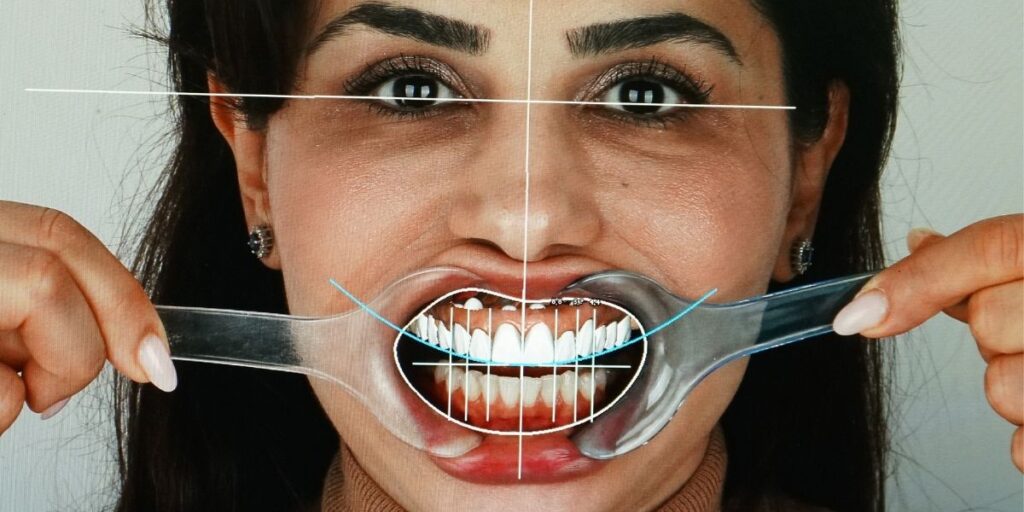
- Aesthetic Smile Design: Aesthetic smile design, Waxing is a treatment performed to aesthetically improve a patient's smile. Factors such as the shape, size, color, and position of the teeth are taken into consideration, and wax-up techniques can be used to achieve the desired results. Thus, the desired smile model is simulated on a wax model, and after obtaining the patient's approval, the permanent treatment is applied.
- Porcelain Veneers: Porcelain veneers are a treatment method used to restore teeth aesthetically and functionally. The shape and size of the teeth to be veneered are determined according to the patient's wishes. The wax-up process plays an important role in creating a wax model of the teeth to be veneered. This allows the patient to visually evaluate the results.
- Dental Implants: These are artificial roots that are placed to replace lost teeth. Implant treatment Prior to the procedure, the condition of the teeth in the area where the implant will be placed is assessed, and the results of the treatment are simulated on a wax-up model. This ensures that the implant is aesthetically and functionally compatible with the other teeth.
- Aesthetic Fillers: Aesthetic fillings are a treatment method used to repair cavities or correct the shape of teeth. The shape and size of the teeth to be filled are determined according to the patient's wishes. The wax-up process is used to create a wax model of the teeth to be filled, allowing the patient to visually evaluate the results.
- Dental Restorations: This encompasses treatments for repairing broken or damaged teeth. Before the restoration process, a wax-up model is created according to the patient's wishes, and the results are visually inspected. This ensures patient satisfaction and the success of the treatment.
Wax-up is an important tool in aesthetic dental restoration treatments, helping patients visually understand their desired results and plan their treatment. This technique is crucial for meeting patient expectations and achieving a successful treatment outcome.
What is a mock-up?
Mock-ups are an important technique in dentistry. This technique is a temporary treatment method applied to the patient. It helps the patient experience and confirm the desired results in real life.
The mock-up process allows the patient to see their desired smile or other aesthetic changes in a more realistic way. Using temporary materials, the desired results are achieved on the teeth. These temporary restorations help the patient better understand the results and plan the treatment.
During a mock-up procedure, the patient's wishes and expectations are first determined. Then, these results are achieved using a temporary material. These temporary restorations are placed on the patient's teeth, and the results are experienced in real life. After obtaining the patient's approval, the permanent treatment is carried out.
Mock-ups can be used in dentistry before aesthetic smile design, porcelain veneers, dental implants, and other restorative treatments. They allow the patient to better understand the desired results and make treatment planning more precise.
How to Create a Mock-Up?
A mock-up is a dental technique that helps a patient experience and confirm their desired results in a real-life setting. The steps in a mock-up procedure are as follows:
- Determining the Patient's Needs: The first step is to determine the patient's wishes and expectations. The patient's aesthetic preferences and other needs are discussed in detail with the dentist.
- Selection of Temporary Restoration Materials: A temporary restorative material is selected for the mock-up. This material should be able to realistically simulate the results the patient desires.
- Preparing the Teeth: The dentist prepares the patient's teeth for the application of temporary restorations. The teeth are cleaned and slightly shaped if necessary.
- Implementation of Temporary Restoration: The chosen temporary restorative material is applied to the patient's teeth. This process is done carefully to achieve the desired results for the patient.
- Modeling and Shaping: Temporary restorations are shaped and modeled to better simulate the results the patient desires. The dentist tailors the restoration to the patient's aesthetic preferences and other needs.
- Evaluation of Results: After temporary restorations are placed on the teeth, the patient is given the opportunity to experience the results in real life. The restorations are carefully examined while the patient smiles, speaks, and performs other daily activities.
- Confirmation and Transition to Permanent Treatment: After obtaining the patient's consent, temporary restorations are removed before proceeding with permanent treatment. A permanent treatment plan is created and implemented according to the patient's desired results.
Mock-ups are an effective technique that helps patients better understand their desired results and plan their treatment. This process allows the patient to achieve their desired smile in collaboration with their dentist.
Wax Up and Mock Up: The Differences in Their Use in Dental Restoration
 Wax Up and Mock Up: The Differences in Their Use in Dental Restoration
Wax-ups and mock-ups are two important techniques used for different purposes in dental restoration. Both help the patient visually understand the results and plan the treatment, but they are used at different stages and with different methods. The differences in usage between wax-ups and mock-ups are as follows:
Aim:
- Wax Up: Wax up is generally used in the initial stages of treatment. A wax model is created by the dentist to better visualize the desired results for the patient. This model is used to simulate the smile or other aesthetic changes the patient wants.
- Mock-up: Mock-ups are used in the later stages of treatment. Temporary restorations are used to help the patient experience and confirm the desired results in real-life situations. These temporary restorations are applied to the patient's teeth, and the results are evaluated in real time.
APPLICATION:
- Wax Up: The wax up process involves creating a wax model of the patient's teeth. This model allows the patient to better visualize the desired results and forms the basis for treatment planning.
- Mock-up: A mock-up involves applying temporary restorations to the patient's teeth. These temporary restorations allow the patient to experience the desired results in real life and provide valuable feedback for treatment planning.
Timing:
- Wax Up: Wax up is usually done in the initial stages of treatment and helps in determining the treatment plan.
- Mock Up: A mock-up takes place in the later stages of treatment and is done after obtaining the patient's consent and before proceeding with permanent treatment.
Function:
- Wax Up: Wax up helps the patient visually understand the desired results and plan the treatment.
- Mock-up: A mock-up helps the patient experience and confirm the desired results in a real-life situation.
Wax-ups and mock-ups are important techniques in dental restoration that help the patient better understand their wishes and treatment plan. Although both are used at different stages and for different purposes, they are used together to ensure patient satisfaction and achieve a successful treatment outcome.
You can schedule an appointment with the expert dentists at İnci Dental to get more detailed information about wax-up and mock-up applications and to plan your treatment.