



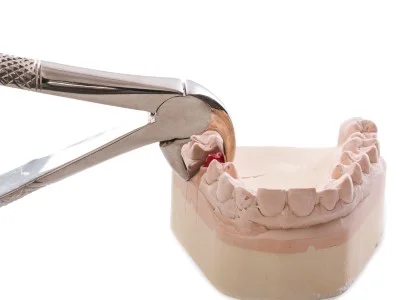
Things to Consider Before and After Tooth Extraction
Tooth extraction can be a stressful experience for many people, and taking the right precautions and providing proper care is extremely important. There are several key factors to consider before and after the extraction procedure. In this article, we will focus on what needs to be done before and after tooth extraction to minimize potential problems and speed up healing.
Contents
- What should be done before a tooth extraction?
- Can a tooth extraction be performed while there is inflammation?
- What causes inflammation after tooth extraction?
- Why does bleeding occur after tooth extraction?
- What to do for pain after tooth extraction?
- What could be causing persistent numbness after tooth extraction?
- Eating and Smoking After Tooth Extraction
- When can I eat normally after wisdom tooth extraction?
- Brushing Your Teeth After Tooth Extraction
What should be done before a tooth extraction?
Proper preparation before a tooth extraction can ensure a smoother and more successful procedure. Things to do before tooth extraction In general, it is as follows:
- Consult a doctor: Before having a tooth extracted, be sure to contact your dentist. Inform them about the condition of your tooth and discuss the potential risks. Also, share any health problems you have or medications you are taking with your doctor.
- Listen carefully to the explanations: Carefully read the instructions and pre-procedure information provided by your dentist. These instructions will include what you need to do before and after the procedure.
- Review your blood thinning medications: If you are taking blood thinners, be sure to inform your dentist. Blood thinner before tooth extraction It is often not recommended to use them. Your doctor may suggest temporarily stopping the use of blood thinners or adjusting the dosage.
- You can take painkillers: If you are worried about or want to cope with pain before a tooth extraction procedure, Painkiller before tooth extraction You can use the medication. However, you should consult your doctor regarding the dosage and duration of use.
- Food and Fluid Intake:Can I eat before a tooth extraction?, The answer to that question varies. It's not recommended to eat immediately beforehand. Eating 1-2 hours before the extraction is sufficient. You don't need to come to the tooth extraction procedure on an empty stomach. A light meal or snack can provide you with energy before the procedure. However, you should avoid eating excessive amounts of food. Also, avoid consuming excessive fluids before the procedure, as this may upset your stomach.
- Wear comfortable clothes: It's important that you feel comfortable during the tooth extraction procedure. Wear comfortable clothing, especially clothing that provides comfort around your neck.
- Have a Companion Present: If possible, have someone accompany you home after the tooth extraction. There may be some minor side effects or discomfort after the procedure, and having someone with you to help will be beneficial.
- Reduce Stress: Try to reduce stress before the tooth extraction procedure. You can use stress-reducing techniques such as listening to music, meditating, or taking deep breaths. Sedative before tooth extraction Engaging in activities will relax you.
Following these steps before a tooth extraction can help you have a more comfortable experience during and after the procedure. However, if you have any concerns or questions, you should definitely consult your doctor.
 Can a tooth extraction be performed while there is inflammation?
 Can a tooth extraction be performed while there is inflammation?
Tooth extraction is generally not recommended when an infected tooth is present. Extracting an infected tooth can lead to the spread of infection and other complications. Therefore, when considering whether tooth extraction can be performed while an infection is present, you should consider several important points:
- Infection Control: Before extracting an infected tooth, it's important to get the infection under control. Your dentist will first implement an appropriate treatment plan to treat the infection. This may involve taking antibiotics or other treatment methods.
- Reducing Inflammation: If inflammation is present, certain treatments can be applied to reduce it before the procedure. This may include pain relievers, antibiotics, or methods like gargling. Reducing inflammation can make the procedure safer and more effective.
- Transaction Delay Status: If the inflammation is severe or widespread, the tooth extraction may be postponed for a while. It may be necessary to bring the inflammation under control and determine a suitable time for tooth extraction. Your dentist will assess the situation and determine the most appropriate time.
- Risk of Complications: The risk of complications increases during and after the extraction of an infected tooth. Therefore, care should be taken during the procedure, and necessary precautions should be taken to prevent the spread of infection.
- Contact your doctor: When planning the extraction of an infected tooth, you should maintain constant communication with your doctor. Discuss the situation openly, share your concerns and questions, and follow the treatment plan recommended by your doctor. You can schedule an appointment with the expert doctors at İnci Dental to evaluate the process and determine the most suitable treatment method.
Extraction of an infected tooth is generally not recommended, and the infection must first be brought under control. Therefore, if you have an infected tooth, you should consult your dentist immediately and receive appropriate treatment.
What causes inflammation after tooth extraction?
Inflammation that occurs after tooth extraction is usually the result of infection spreading or complications during the healing process. Inflammation can be caused by the following factors:
- Infection: Infection during or after tooth extraction is the most common cause of inflammation. Infection begins with the growth of microbes in the gums or surrounding tissues. These microbes can cause infection in the space created after tooth extraction or in the surrounding tissues. The risk of infection after tooth extraction increases, especially if there is a pre-existing infection such as gum inflammation (periodontitis).
- Poor Hygiene: Insufficient oral hygiene after tooth extraction can increase the risk of infection. Regular cleaning of the mouth and the extraction site is important during the healing process. Additionally, using antibacterial mouthwash can reduce the risk of infection.
- Complications: Complications during or after tooth extraction can trigger inflammation. For example, if a tooth is not completely removed or breaks during extraction, it can cause damage to surrounding tissues and increase the risk of infection.
- Smoking: Smoking can increase the risk of infection after tooth extraction. Smoking affects circulation and slows the healing process. This can increase the risk of infection and prolong the healing process.
- Immune System Weakness: People with weakened immune systems are more susceptible to infections than others. Diseases that affect the immune system, such as diabetes or cancer, or the use of immunosuppressive drugs, can increase the risk of infection after tooth extraction.
To prevent inflammation after tooth extraction, it is important to carefully follow your doctor's instructions and maintain good oral hygiene. Additionally, you should stay in contact with your doctor before and after the procedure, and undergo regular check-ups to identify any potential complications.
What to do if infection occurs after tooth extraction?, The clear answer to that question is to contact your doctor. It is not recommended to take any steps on your own.
Why does bleeding occur after tooth extraction?
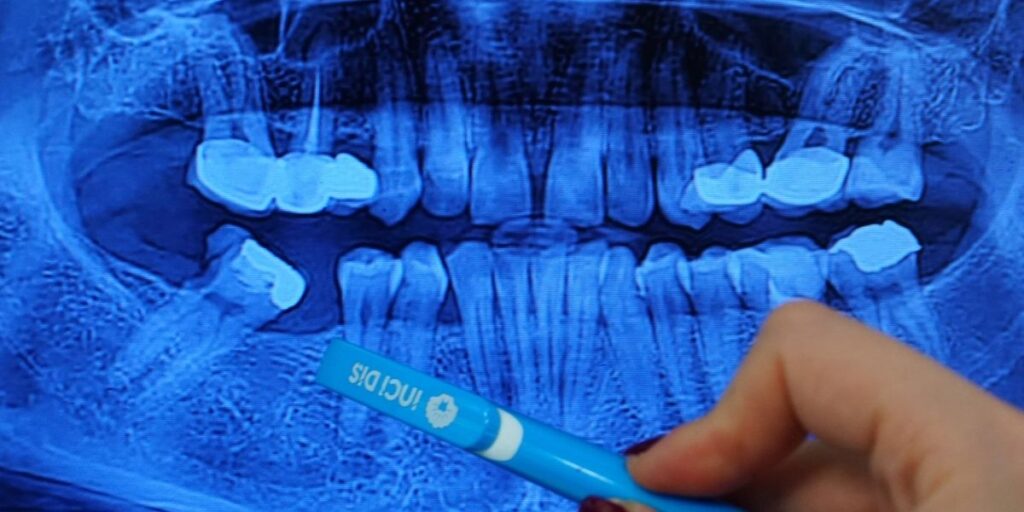 Why does bleeding occur after tooth extraction?
Bleeding after tooth extraction, Bleeding after tooth extraction is usually a natural side effect resulting from the extraction process. Possible causes of bleeding after tooth extraction include:
- Tissue Damage: Bleeding can occur during tooth extraction due to cutting or damage to the tooth and surrounding tissues. This is a normal process because the gums and tissues around the jaw contain blood vessels.
- Blood Clot Formation: After a tooth extraction, blood needs to clot. This is important for stopping the bleeding and initiating the healing process. However, sometimes a blood clot doesn't form or it breaks down. In this case, bleeding may continue, increasing the risk of complications.
- Coagulation Disorders: Rarely, individuals may have coagulation disorders that affect their blood's ability to clot. In this case, the risk of bleeding after tooth extraction increases and may be more difficult to control.
- Tooth Extraction Technique: The technique used during tooth extraction can also affect the risk of bleeding. The pressure applied, the type of instruments used, and the dentist's skill can all determine the level of bleeding.
- Some Medications: If you are taking blood thinners or medications that prevent blood clotting, such as aspirin, the risk of bleeding after tooth extraction may increase.
- Oral Hygiene: Poor oral hygiene during the healing process can lead to continued bleeding and an increased risk of infection.
Slight bleeding is normal after a tooth extraction. However, if you experience excessive bleeding, continuous bleeding, or bleeding that doesn't stop, it's important to contact your dentist immediately. Controlling and treating the bleeding when necessary will help prevent potential complications.
What to do for pain after tooth extraction?
Pain after tooth extraction, Pain is a fairly common occurrence and is usually a natural side effect of the procedure. Pain may occur as the effects of the anesthetic used during the procedure wear off, or during the healing process of minor tissue damage caused by the tooth extraction. Some methods that can be applied for pain after tooth extraction are as follows:
- Use the medications your doctor has prescribed. Your dentist can recommend medications to relieve pain after a tooth extraction. Use these medications regularly as directed and at the dosage prescribed by your doctor.
- Apply cold: To relieve pain, you can apply a cold compress to the affected area after the procedure. A cold compress can reduce pain and prevent swelling. To do this, wrap an ice pack in a cloth and apply it directly to the skin for 15-20 minutes. You can repeat this process every hour.
- Rest: Resting after a tooth extraction can aid the healing process and reduce pain. Rest as much as possible after the procedure and avoid strenuous physical activity.
- Keep your head held high: Keeping your head elevated can reduce blood flow and relieve pain. Especially when lying down, support your head with a high pillow.
- Consume soft foods: Avoid hard or hot foods, as these can increase pain after a tooth extraction. Eating soft and cool foods can reduce pain and aid in the healing process.
- Stay in touch with your doctor: If the pain is severe or pain relievers are ineffective, see your dentist immediately. There may be an underlying problem causing the pain, and your doctor can recommend the appropriate treatment.
Pain after tooth extraction usually subsides within a few days and disappears as the healing process progresses. However, if you experience severe pain, if painkillers don't work, or if it's accompanied by other symptoms, you should definitely consult your doctor.
What could be causing persistent numbness after tooth extraction?
This condition is usually caused by nerve damage during or after the procedure. Persistent numbness after tooth extraction Some possible causes:
- Nerve Damage: During tooth extraction, damage to nerves near the tooth roots can cause temporary or permanent numbness. This usually occurs when instruments used during the procedure press on or damage the nerves.
- Inflammation and Swelling: Inflammation or swelling that can occur after a tooth extraction can put pressure on nerves and cause numbness. This is usually temporary as the healing process is complete, but in some cases it can persist.
- Trauma: Trauma to the mouth or jaw area during or after tooth extraction can cause nerve damage. This problem is especially likely to occur if pressure is applied during the procedure or if nerves are accidentally damaged.
- Complications: Although rare, complications following tooth extraction can affect the nerves. For example, complications such as infection or bleeding can put pressure on the tissues surrounding the nerves and lead to numbness.
- Personal Factors: Several personal factors can influence the healing process of nerve damage. For example, factors such as age, overall health, and immune system strength can affect the nerve healing process and the duration of numbness.
Persistent numbness after tooth extraction can be a serious condition, and it's important to contact your doctor immediately. Your doctor will perform appropriate tests to assess nerve damage and recommend suitable treatment. Early intervention is crucial to determine if the numbness is permanent and to prevent complications.
Eating and Smoking After Tooth Extraction
Diet and smoking after tooth extraction can affect the healing process and increase the risk of complications.. Eating after tooth extraction. Here's what you need to know about smoking:
- Food Preferences: It's important to eat soft and easily digestible foods after a tooth extraction. This can reduce pain and speed up the healing process. Soft and nutritious foods like pureed vegetables, yogurt, soup, and pureed fruits can be good options. It's also important to avoid very hot or very spicy foods.
- Fluid Intake: Because there is a risk of bleeding in the mouth after a tooth extraction, you should avoid consuming excessive amounts of fluids for the first few hours. However, it is important to drink enough fluids after the procedure. Drinking water is the best option to hydrate your body and support the healing process.
- Alcohol Consumption: Drinking alcohol after a tooth extraction can dilate blood vessels and increase bleeding. Therefore, it is important to avoid alcohol for a while after a tooth extraction.
- Tobacco Consumption:Smoking after tooth extraction Smoking can negatively affect the healing process. Smoking reduces blood circulation and slows down the healing process. It can also increase the risk of infection and worsen pain. Therefore, you should avoid smoking for at least a few days after a tooth extraction. If possible, take the opportunity to quit smoking after the extraction.
Paying attention to your diet and avoiding smoking after a tooth extraction can speed up your healing process and reduce the risk of complications. By following your doctor's recommendations, you can ensure a healthy recovery.
When can I eat normally after wisdom tooth extraction?
Alright, When can I eat normally after wisdom tooth extraction?It generally depends on the post-operative healing process and can vary from person to person. However, it is generally recommended to avoid eating for the first few hours after a tooth extraction. To reduce the risk of bleeding in the mouth after the procedure, it may be more appropriate to consume only cold or lukewarm liquids for a few hours afterwards.
After the first few hours have passed and the bleeding is under control, you can start eating. However, depending on the level of pain and discomfort after the procedure, it is better to prefer softer and easier-to-chew foods for the first few days. This can speed up the wound healing process and reduce pain.
For the first few days, it may be appropriate to consume the following foods before normal meals:
- Pureed vegetables
- Yogurt
- Soup
- Pureed fruits
- Porridges
- Soft pasta or rice
It is also important to maintain oral hygiene after the procedure and to consume food lukewarm or cold, ensuring it is not too hot or too spicy, in order to avoid damaging the treated area.
Before returning to your normal eating habits after a tooth extraction, it's important to follow your doctor's recommendations and post-operative care instructions. If you have any concerns or questions, consulting your doctor is always the best option.
Brushing Your Teeth After Tooth Extraction
Brushing your teeth after tooth extraction, Brushing plays a crucial role in the healing process. However, it must be done correctly. First, it is generally recommended to avoid brushing the treated area for the first 24 hours immediately after a tooth extraction. During this time, it is important to carefully follow your dentist's instructions. This usually means giving the tissues in the treated area enough time to heal without damaging their healing process.
After following your doctor's instructions, when you begin brushing your teeth, you should use a soft-bristled toothbrush. Soft bristles effectively clean teeth and gums while reducing the risk of damaging the area being treated. You should be gentle during brushing and avoid applying excessive pressure to the area being treated.
Using an antibacterial mouthwash can also be beneficial. This can help reduce bacteria in the mouth and lower the risk of infection. However, it's important to use a product recommended by your doctor. Rinsing your mouth thoroughly after brushing is also important, and don't forget to clean your toothbrush.
Finally, if you have any concerns or questions about the brushing process, don't hesitate to consult your doctor. Your dentist can give you specific advice and suggest appropriate steps to support your healing process.