



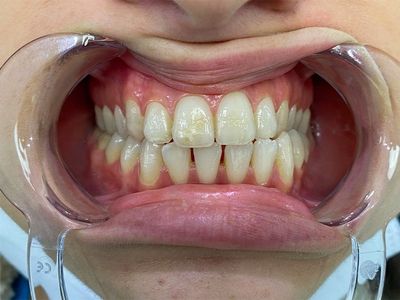
What is malocclusion? What are its types?
The alignment of our teeth significantly affects our facial expression when we smile or speak. However, in some cases, an irregular arrangement of teeth, known as malocclusion, can disrupt this aesthetic balance. In this article, we will examine in detail what malocclusion is, its types, causes, and treatment methods. Remember, a healthy smile and jaw structure are also important for our overall health.
Contents
What is malocclusion?
Malocclusion refers to a condition where the jaw and teeth deviate from their normal position. This condition can often occur due to genetic factors, abnormalities in jaw structure, tooth crowding, or tooth loss. Besides aesthetic problems, malocclusion can affect chewing function and lead to speech problems. Therefore, early diagnosis and appropriate treatment of malocclusion are important.
The symptoms of malocclusion can vary from person to person, but generally include the following:
- Irregular alignment of teeth
- Jaw pain or discomfort
- Chewing difficulties
- Speech problems
- Changes in facial aesthetics
Individuals experiencing these symptoms should consult a dentist for a thorough evaluation and diagnosis. Depending on the type of malocclusion, appropriate treatment options can be considered.
What are the types of malocclusion?
Malocclusion, which refers to the irregular arrangement of the jaw and teeth, can manifest in different types. Each type has different effects on an individual's jaw structure, tooth alignment, and jaw closure. The most common types of malocclusion can be listed as follows:
- Class I Malocclusion (Normal Jaw Closure, Irregular Teeth): Class I malocclusion generally refers to a condition where the jaw closure is normal but the teeth are irregularly aligned. This type of malocclusion is characterized by problems such as crowding, misalignment, or gaps between teeth.
- Class II Malocclusion (Upper Jaw Protrudes, Lower Jaw Retracts): Class II malocclusion refers to a condition where the upper jaw protrudes forward relative to the lower jaw. This is often referred to as a "retracted chin." Class II malocclusion can affect chewing function and cause significant changes in facial aesthetics.
- Class III Malocclusion (Upper Jaw Recessed, Lower Jaw Protruded): Class III malocclusion refers to a condition where the upper jaw is positioned further back than the lower jaw. This is often referred to as a "protruding chin." Class III malocclusion can lead to a misaligned jaw and affect an individual's facial profile.
- Open-Closure Malocclusion: In open bite malocclusion, the upper and lower teeth do not close normally, meaning the teeth do not make contact at a specific point. Open bite can negatively affect chewing functions and cause speech problems.
- Crossbite Malocclusion: In crowding malocclusion, the upper teeth close differently than normal towards the lower teeth. This condition can occur due to asymmetry in the jaw structure or abnormalities in the alignment of teeth.
Each type of malocclusion varies depending on the individual's age, genetic factors, jaw structure, and the condition of the teeth. Accurate identification of the malocclusion type is crucial for creating an effective treatment plan. Therefore, a detailed evaluation by a dentist is critical for making an accurate diagnosis and determining the appropriate treatment methods.
Causes of Malocclusion
Malocclusion is a complex condition that can arise for various reasons. Abnormalities in jaw structure or teeth, genetic factors, bad habits, and trauma can all cause malocclusion. Here are the main causes of malocclusion:
- Genetic Factors:
In individuals with a family history of malocclusion, genetic factors have been observed to play a role in the development of malocclusion. Genetic predisposition can increase susceptibility to abnormalities in jaw structure and tooth alignment.
- Jaw Structure Abnormalities:
Congenital abnormalities in jaw structure or problems that occur during development can cause malocclusion. For example, misaligned growth of the upper and lower jaws or disorders in jaw closure can trigger malocclusion.
- Tooth Crowding or Tooth Loss:
Crowding or loss of teeth can lead to irregular alignment of teeth and malocclusion. Crowding of teeth, especially in early childhood, can increase the risk of malocclusion.
- Bad Habits:
Bad habits such as thumb sucking, pacifier use, and nail biting can affect the jaw structure as well as the alignment of teeth, contributing to the development of malocclusion.
- Traumas:
A traumatic event to the face and jaw area can trigger malocclusion by causing changes in the jaw structure or teeth. Such traumas can lead to a misaligned or crowded jaw.
- Early Childhood Habits:
Factors such as tongue habits, breathing problems, or incorrect sucking habits can affect jaw and tooth development, leading to malocclusion.
- Delayed Tooth Eruption or Early Tooth Loss:
Delayed tooth eruption or early tooth loss can cause irregularities in tooth alignment, triggering malocclusion.
Identifying the causes of malocclusion plays a key role in developing an appropriate treatment plan. Therefore, a detailed evaluation by a dentist is crucial in determining the specific causes of malocclusion and formulating an effective treatment strategy.
How is malocclusion treated?
Malocclusion treatment involves various methods depending on the individual's jaw structure and the irregularities in their teeth. The treatment process is shaped according to the type and severity of the malocclusion, the individual's age, and overall health condition. Commonly used methods in malocclusion treatment are as follows:
- Orthodontic Treatment (Bracelets or Clear Aligners): The most common method for correcting malocclusion is orthodontic treatment. Corrective brace options such as brackets or clear aligners can improve jaw bite by bringing teeth into the correct position.
- Orthopedic Devices: Orthopedic devices used to correct jaw malocclusion are generally preferred in young patients. These devices can help guide jaw growth and bring it to the desired position.
- Tooth Extraction or Tooth Addition: Tooth extraction can correct conditions that cause tooth crowding or malocclusion. Similarly, adding teeth using methods like implants or bridges to replace missing teeth can correct tooth alignment.
- Surgical intervention: In some cases, particularly with significant discrepancies between jaw structures, surgical intervention may be necessary. Jaw surgery can be performed to reshape the jawbone or adjust the jaw closure.
- Nighttime Appliances (Bruxism Appliances): In cases of malocclusion caused by teeth clenching or grinding (bruxism), night appliances can be used. These appliances can help protect the teeth and improve jaw closure by relaxing the jaw muscles.
- Speech Therapy or Respiratory Therapy: In cases of malocclusion caused by tongue habits or breathing problems, tongue therapy or breathing therapy may be recommended. These therapies aim to correct negative habits and ensure the correct jaw position.
The treatment method for malocclusion varies depending on the individual's specific situation. After a thorough examination, a dentist will determine the appropriate treatment plan and offer the most effective strategy for correcting the malocclusion. Remember, early intervention can lead to more effective and faster treatment outcomes.
If you are experiencing jaw-closure disorders, you can schedule an appointment with the expert dentists at İnci Dental to plan your treatment process.