



What Causes Gum Bleeding?
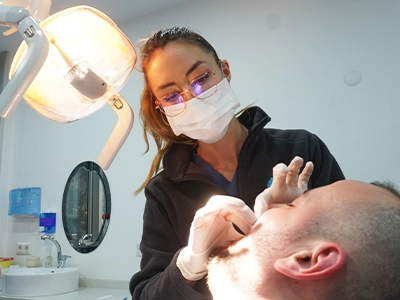
Bleeding gums, Gum bleeding is a common problem affecting oral health. This condition can stem from various factors that cause gums to become sensitive and bleed easily. In this article, we will provide detailed information about the causes, symptoms, and effective treatment methods of gum bleeding! We will also specifically address gum bleeding during pregnancy, in children, and even in infants.
Contents
- What is gum bleeding?
- What are the symptoms of bleeding gums?
- What are the causes of bleeding gums?
- Bleeding gums in the mornings, while sleeping, and while brushing.
- Causes of Gum Bleeding During Pregnancy
- Causes of Gum Bleeding in Children
- Causes of Gum Bleeding in Babies
- Gum Bleeding After Implantation
- How is bleeding gum treated?
- What is a good remedy for bleeding gums?
What is gum bleeding?
Gum bleeding is an oral health problem that causes gums to become sensitive and bleed easily. It usually occurs during brushing, flossing, or chewing hard foods. This condition can be caused by various factors such as poor oral hygiene, hormonal changes, vitamin deficiencies, gum disease, or genetic factors.
Gum bleeding can manifest as mild bleeding, or as continuous or excessive bleeding. This condition is generally treatable and preventable, and can be controlled with proper oral hygiene habits and regular dental checkups.
Symptoms of bleeding gums are usually seen when brushing, flossing, or applying slight pressure to the gums. Along with these symptoms, persistent gum bleeding, Bleeding that occurs during sleep or in the mornings is also noteworthy. Gum bleeding varies depending on the underlying causes, and the treatment process focuses on identifying the root cause.
What are the symptoms of bleeding gums?
Gum bleeding often begins with mild and initially unnoticeable symptoms. However, with careful observation and regular dental care, it is possible to recognize the signs. Symptoms of bleeding gums It is as follows:
- Bleeding While Brushing Teeth: Bleeding gums while brushing teeth, This is one of the most common symptoms. If you look carefully during brushing, you may notice slight bleeding mixed with the toothpaste.
- Persistent Gum Bleeding: Frequent, recurring bleeding gums can be a sign of a serious gum health problem. This may indicate that the gum tissues have become sensitive and weak.
- Gum Bleeding While Sleeping and in the Morning: Bleeding gums upon waking or in the morning are usually caused by bacteria accumulating in the mouth overnight and damaging the gums. This indicates the importance of paying particular attention to oral hygiene.
If you experience these symptoms, it's important to consult a dentist. Early diagnosis and treatment can help protect oral health by preventing the progression of gum problems. Medication to prevent gum bleeding. Its use should absolutely be done under the recommendation of a specialist physician. Otherwise, more serious health problems may occur.
What are the causes of bleeding gums?
Gum bleeding is an oral health problem that can be caused by a variety of factors. Causes of bleeding gums In general, it is as follows:
- Insufficient Attention to Oral Hygiene: Failure to pay adequate attention to oral hygiene leads to plaque and bacterial buildup. This can cause inflammation and bleeding of the gums.
- Hormonal Changes: Hormonal changes, especially during pregnancy and menstruation, can increase gum sensitivity. This, in turn, can predispose to gum bleeding.
- Vitamin Deficiency: Vitamin C deficiency in particular can lead to weakened and bleeding gums. Malnutrition or vitamin deficiencies negatively affect gum health.
- Gum Diseases: Gum diseases such as gingivitis or periodontitis can cause inflammation and bleeding of the gums. These diseases usually occur as a result of plaque buildup and bacterial growth.
- Genetic Factors: Family predisposition can affect an individual's gum health. People with a family history of gum problems may be at greater risk than others.
The combination or individual effect of these factors can increase an individual's likelihood of experiencing bleeding gums. If any symptoms are noticed, it's important to consult a dentist to determine the underlying cause. To learn about the causes of your bleeding gums, you can contact your nearest İnci Dental Clinic.
Bleeding gums in the mornings, while sleeping, and while brushing.
Gum bleeding can occur especially in the mornings, while sleeping, and while brushing your teeth. There are several main reasons for this:
Dry Mouth During the Night: Reduced saliva production in the mouth during sleep can lead to a decrease in a natural factor that protects the gums. This can cause the gums to dry out and become sensitive throughout the night, consequently... nighttime gum bleeding This can lead to problems.
Incorrect Tooth Brushing Technique: Applying too much pressure while brushing or using the wrong toothbrush can irritate the gums and cause bleeding. Additionally, improper brushing technique can also damage the gums.
To prevent these situations and reduce gum bleeding in the mornings, before going to sleep, and while brushing, the following suggestions can be followed:
- Regular daily brushing and flossing.
- Oral care products should be recommended by a dentist.
- Adopting proper tooth brushing technique.
- Drinking enough water to prevent dry mouth during the night.
Along with these measures, it is important to consult a dentist if the problem persists or worsens. Long-term gum bleeding can be a sign of a serious gum problem and may require professional evaluation.
Causes of Gum Bleeding During Pregnancy
Pregnancy causes a number of hormonal changes in a woman's body, and these changes can affect oral health. Gum bleeding during pregnancyThe main reasons for this are as follows:
Hormonal Changes: Increased hormone levels during pregnancy, particularly progesterone and estrogen, can cause swelling and sensitivity in the gums. This can predispose individuals to gum bleeding.
Pregnancy Gingivitis: Pregnancy gingivitis, which occurs when swelling and inflammation of the gums increase during pregnancy, is a common cause of gum bleeding. Gingivitis can be worsened by poor oral hygiene.
Increased Blood Volume: During pregnancy, the volume of blood in the body increases. This can cause the gums to become more sensitive and prone to bleeding.
Vomiting and the Effects of Stomach Acid: Nausea and vomiting, common during pregnancy, can increase acid levels in the mouth. These acids can damage tooth enamel and lead to gum problems.
Inadequate Oral Hygiene: During pregnancy, hormonal changes can lead to alterations in oral hygiene habits. Neglecting brushing and flossing during this period can increase the risk of gum bleeding.
If you are pregnant or planning to become pregnant, you should not neglect dental checkups to avoid any potential problems. To take preventative measures against possible problems, you can schedule an appointment with the expert dentists at İnci Dental.
Causes of Gum Bleeding in Children
Gum bleeding in children It can occur due to various reasons. These reasons may include:
- Oral Hygiene Habits: Children may not yet have fully developed oral hygiene habits. Neglecting brushing and flossing can negatively affect gum health and cause bleeding.
- Sensitive Gums: Some children may have more sensitive gums due to congenital or genetic factors. This can make them more prone to gum bleeding.
- Teething Process: During teething, children's gums can be sensitive, and gum bleeding may occur. Chewing hard foods or applying pressure to the gums can trigger this.
- Malnutrition: In children, unbalanced and inadequate nutrition, especially vitamin C deficiency, can negatively affect gum health and cause bleeding gums.
Infections and Gum Diseases: In children, gum infections or diseases, especially those caused by bacteria, can lead to bleeding gums. This is often associated with the buildup of dental plaque.
Causes of Gum Bleeding in Babies
Gum bleeding in babies It is usually associated with the teething process, but there may be other reasons. Some causes of bleeding gums in babies are as follows:
- Teething: One of the most common causes of bleeding gums in babies is the process of new teeth erupting. When teeth reach the surface of the gums, the blood vessels in that area may bleed slightly, leading to gum bleeding.
- Teething Complications: For some babies, the teething process can be more painful and difficult. In this case, the gums may swell and become sensitive, which can lead to bleeding.
- Teething Habit: Babies who are teething may use their hands and various objects to satisfy their need to soothe their gums. This can put pressure on the gums and consequently cause bleeding.
- Infection or Gum Disease: Gum infections or diseases can cause bleeding gums in babies. This is often associated with bacterial infections.
- Teething Toy Use: It's common for babies to use teething or cooling toys. However, teething toys with hard or sharp edges can damage gums and cause bleeding.
If you notice bleeding gums in your baby, you can contact the specialist dentists in the pedodontics department at İnci Dental Clinic.
Gum Bleeding After Implantation
Gum bleeding after implant surgery is not common, but it can occur in rare cases. Implant surgery is a procedure in which a dental implant is placed into the jawbone. This surgical intervention typically involves integrating a titanium screw-like implant into the jawbone, and this process is usually performed without bleeding.
However, gum bleeding can occur immediately after implant surgery or during the healing process. Some factors that can cause gum bleeding after implant surgery are as follows:
- Bleeding During Surgery: Bleeding can occur during implant surgery, but the surgeon must control it. If bleeding cannot be controlled or continues during surgery, this may indicate a surgical failure.
- Infection: An infection can develop after implant surgery. This infection can cause swelling, redness, and bleeding of the gums.
- Insufficient Healing: In cases where the implant does not integrate sufficiently with the jawbone, inadequate healing may occur at the implant site. This can affect gum health and cause bleeding.
If you experience gum bleeding or other adverse symptoms after implant surgery, you should consult a dentist immediately. The dentist will assess the situation, identify possible causes, and recommend appropriate treatment. Early diagnosis and treatment of any complications following implant surgery are crucial for long-term success.
 How is bleeding gum treated?
 How is bleeding gum treated?
Effective treatment for bleeding gums can vary depending on the underlying cause. For the treatment of bleeding gums In general, the following steps can be followed:
Professional Dental Cleaning:
- Dentists can perform professional dental cleanings to identify the underlying causes of bleeding gums and create an effective treatment plan. This cleaning process can improve gum health by removing plaque and tartar.
Drug Treatment:
- Using specialized oral hygiene products or antiseptic mouthwash for gum problems can reduce gum bleeding. However, it is important to consult a dentist before using such products.
Periodontal Surgery:
- In cases of severe gum problems, periodontal surgery may be necessary. This surgical procedure aims to repair the gum tissue and restore a healthy appearance.
Reviewing Food and Nutritional Habits:
- An unbalanced diet or vitamin deficiencies can trigger bleeding gums. Therefore, adopting a healthy diet and taking vitamin supplements if needed can be beneficial.
Treating Underlying Health Problems:
Gum bleeding can sometimes be a symptom of general health problems or systemic diseases. In this case, it is important to treat the underlying health issues.
Treatment options may vary depending on an individual's gum health and the severity of gum bleeding. If gum bleeding continues or worsens, it is important to consult a dentist and seek professional help. Early diagnosis and treatment can prevent gum problems from becoming more serious.
What is a good remedy for bleeding gums?
There are some home remedies that can be used to alleviate and heal bleeding gums. However, it's important to remember that these suggestions do not eliminate the underlying cause of the problem. If bleeding gums continue or worsen, it's crucial to consult a dentist. So, What is a good remedy for bleeding gums?You can find the answer below:
Regular Oral Hygiene:
- Brushing your teeth: Brush your teeth at least twice a day using a soft-bristled toothbrush. Avoid applying excessive pressure to your gums while brushing.
- Flossing: Use dental floss regularly to prevent plaque buildup between your teeth.
Using a Soft Toothbrush:
- Using a toothbrush with soft bristles can reduce the risk of damaging your gums.
Saltwater Gargle:
- A saltwater gargle, made by mixing a teaspoon of salt with a glass of warm water, can soothe gums and reduce inflammation. However, it's important to use this method in moderation.
Vitamin and Mineral Supplements:
- Gum bleeding is caused by vitamin deficiency. This could be the reason. In this case, taking vitamin C supplements or adding vitamin C-rich foods to your diet may be beneficial.
Balanced diet:
- Adopting a diet rich in vitamins and minerals can improve your overall oral health.
Regular Dental Checkups:
Professional dental cleanings and regular dental checkups are important for maintaining gum health and detecting problems early.
Before starting any treatment, it is important for individuals in certain groups, especially children and pregnant women, to consult their doctor or dentist. It is also crucial to seek medical attention if symptoms persist or worsen. If you are experiencing gum bleeding, contact the expert dentists at İnci Dental without delay!