




What is a dental lesion?
Dental health is a crucial factor affecting overall body health. In this context, dental lesions are also a significant issue. Focusing on dental lesions, we will discuss their symptoms, treatment, and the negative consequences that can arise if left untreated.
Contents
What is a tooth lesion?
What is a tooth lesion?, The question can be answered by saying that lesions refer to abnormal tissues or damaged areas occurring on or under the surface of a tooth. This condition can arise due to various factors, such as enamel erosion, cavities, trauma, or gum problems. Lesions typically manifest with symptoms such as discoloration, gum bleeding, pain, and sensitivity. Discoloration can often appear as white, brown, or black spots.
Dental lesions are usually treatable when diagnosed early. Treatment options vary depending on the size and type of the lesion, as well as the overall dental health. With appropriate treatment, the progression of lesions can be prevented and dental health can be preserved.
What are the symptoms of a tooth lesion?
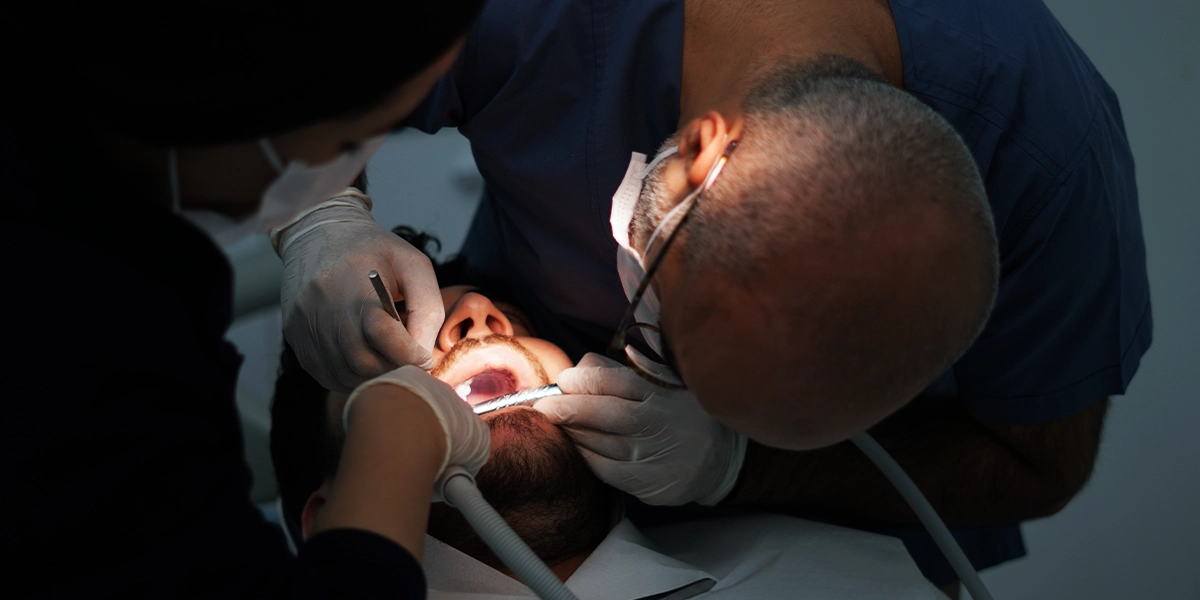
Dental lesions or gum lesion, It can manifest itself with various symptoms, and it is important to consult a dentist if you experience these symptoms. Symptoms of dental lesions In general, it is as follows:
- Color Changes: Dental lesions can often cause changes in tooth color. White, brown, or black spots are noticeable signs of lesions.
- Pain and Sensitivity: Lesions can cause pain and sensitivity in the teeth. This sensitivity may increase upon contact with hot, cold, or sweet foods and drinks.
- Gum Bleeding: Gum bleeding can indicate the presence of lesions. Bleeding that occurs during brushing or flossing is a noteworthy symptom.
- Tooth Surface Irregularities: Lesions can manifest as roughness, pitting, or raised areas on the tooth surface. This may indicate a change in the structural integrity of the tooth.
When experiencing these symptoms, it's important to consult a dentist to determine the appropriate treatment plan, depending on the type and severity of the lesion. Early diagnosis and treatment can prevent the progression of dental lesions, thus avoiding more serious problems.
How is a dental lesion treated?
Dental lesions refer to damage resulting from harm to tooth enamel. Dental lesions can often occur as a result of cavities, enamel erosion, or other traumatic events. Treatment methods may vary depending on the size, severity, and cause of the lesion. tooth lesion Common methods used for its treatment:
- Filling (Restoration): Small cavities or enamel loss can often be treated with fillings. The dentist will..., dental lesion cleaning The surgeon performs the procedure and restores the tooth using filling material. This restores the tooth's function and protects it from future damage.
- Enamel Veneers: Enamel veneers offer an aesthetic solution by applying a thin layer to the front surface of the tooth. This method can be used to correct cosmetic problems caused by dental lesions.
- Porcelain Crowns and Bridges: If the lesion is large and a significant portion of the tooth is damaged, porcelain crowns or bridges can be used. Crowns are used to cover a single tooth, while bridges can be used to fill in missing teeth that are adjacent to each other.
- Root Canal Treatment (Endodontics): If the tooth's pulp (the living tissue inside the tooth) is affected by a tooth lesion, root canal treatment may be necessary. In this procedure, the infected pulp inside the tooth is cleaned, and then the tooth is filled and sealed.
- Tooth Extraction and Prostheses: If a damaged tooth cannot be saved, it may be extracted. After tooth extraction, prostheses (partial or full) can be used to replace the missing tooth.
- Periodontal Treatment: Dental lesions are often associated with gum disease. If you have gum problems, periodontal treatment can be applied. This treatment aims to control gum inflammation and restore gum health.
Generally dental lesion surgery These methods are now procedures performed only as a last resort, upon the recommendation of a specialist physician.
Treatment options will vary depending on the condition of the lesion and the patient's overall health. Consulting a dentist specializing in dental lesions is the best approach. How to clean a dental lesion, The answer to this question can only be given after a dental examination, by determining the correct treatment method. You can quickly determine the right treatment method by contacting the expert dentists at İnci Dental.
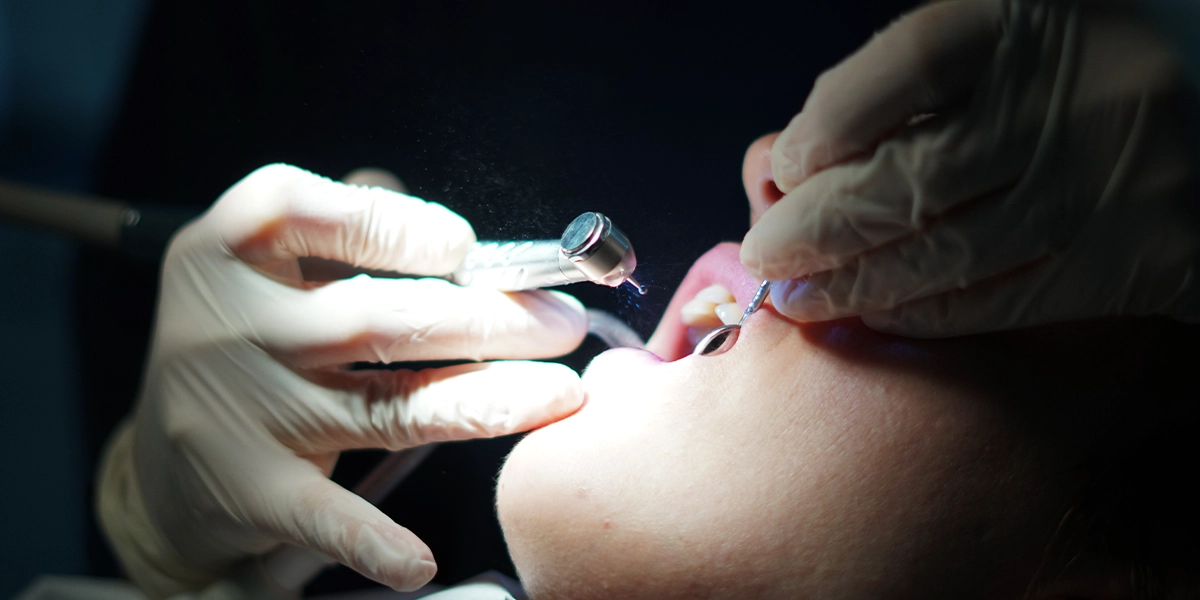
Can a tooth with a lesion be extracted?
If there is a lesion in the tooth, probably Can a tooth with a lesion be extracted?, You might be thinking, "Should a tooth with a lesion be extracted?" Whether or not the tooth needs to be extracted depends on the size of the lesion and the overall condition of the tooth. If the lesion is small and the tooth's structure is largely preserved, in most cases the dentist will consider other treatment options. It's possible to restore the tooth's function and aesthetics with restorative treatments such as fillings, enamel veneers, porcelain crowns, or bridges.
However, if the lesion is very large, if the tooth roots are also affected, or if it poses a risk to the overall health of the tooth, tooth extraction may be considered. In this case, it may be necessary to apply a prosthesis to replace the extracted tooth or to opt for restorative options such as implants. Therefore, it is important to have a detailed assessment of the tooth lesion treatment with your dentist and determine the appropriate treatment option.
The Dangers of Untreated Tooth Lesions
Untreated dental lesions can lead to various negative consequences and often worsen existing problems. What happens if a tooth lesion is left untreated?, The answer to that question is as follows:
- Progression of Cavities: If a tooth lesion is caused by decay, these cavities can progress over time. Advanced cavities can cause further damage to the tooth and affect the pulp located inside the tooth.
- Pain and Sensitivity: Untreated tooth lesions can cause tooth sensitivity and pain. Pain may be felt especially when in contact with hot, cold, or sweet foods and drinks.
- Infection and Abscess: As cavities progress, the pulp of the tooth can become infected. This can result in pain, swelling, and even abscess formation. If the infection progresses, it can spread to surrounding tissues and lead to serious health problems.
- Tooth Loss: Untreated tooth lesions can weaken the tooth structure, leading to tooth loss. In this case, tooth extraction may be necessary.
- Jawbone Loss: Tooth loss can reduce pressure on the jawbone, leading to jawbone loss over time. This can make restorative procedures like dentures or implants more difficult.
- Aesthetic Issues: Dental lesions can cause changes in tooth color and lead to aesthetic problems. In this case, additional treatments may be needed for tooth reconstruction.
For these reasons, dental lesions should be detected and treated at the earliest possible stage. Regular check-ups with your dentist are important to identify and treat potential problems early. To avoid having to deal with the damage caused by dental lesions, you can quickly contact the professional teams at İnci Dental!