


Oral and Maxillofacial Surgery Treatment
Oral and maxillofacial surgery (OCH) is a surgical branch specializing in oral health that is gaining increasing importance in modern medicine. This specialized field aims to effectively resolve various problems arising in the mouth, teeth, and jaw area. OCH offers a wide range of services to help patients achieve a healthy smile and to address surgical interventions around the mouth.
What is Oral and Maxillofacial Surgery?
Oral and maxillofacial surgery is a branch of medicine that provides solutions to various health problems arising in the mouth, teeth, and jaw through surgical interventions. This surgical branch combines the fields of dentistry and general surgery, dealing with a wide range of diseases and problems. Oral and maxillofacial surgeons aim to optimize patients' oral and jaw health by performing procedures such as tooth extraction, implant placement, jaw surgery, and soft tissue surgery.
These specialists also deal with complex conditions such as temporomandibular joint disorders, congenital jaw deformities, and facial trauma. The comprehensive approach of oral and maxillofacial surgery helps patients achieve a functionally and aesthetically healthy smile.

What does Oral and Maxillofacial Surgery deal with?
Oral and maxillofacial surgery (OCS) aims to optimize patients' oral and maxillofacial health by focusing on a wide range of health problems. This surgical branch primarily deals with various conditions arising in the teeth, jaw, and oral region. Conditions such as tooth decay, tooth loss, jaw fractures, temporomandibular joint disorders, and congenital jaw deformities are among the main topics addressed by oral and maxillofacial surgery.
Dental Problems:
- Dental caries and caries treatments.
- Tooth loss and dental implants.
- Gum diseases and surgical procedures.
Jaw Problems:
- Jaw fractures and jaw surgery.
- Temporomandibular joint disorders and their treatment.
Congenital Conditions:
- Congenital jaw deformities and corrective surgeries.
- Correction of congenital anomalies in the face and jaw area.
Aesthetic and Functional Improvements:
- Surgical procedures for cosmetic purposes.
- Surgical operations for functional improvements.
Oral and maxillofacial surgery comprehensively addresses patients' oral and jaw health by focusing on these diverse issues. Specialists evaluate each case and create personalized treatment plans to help patients achieve a healthy oral structure.
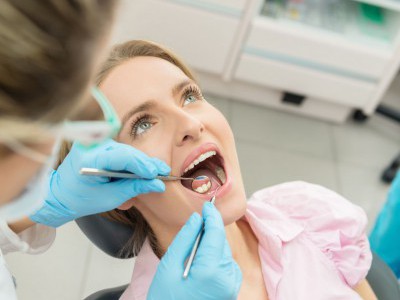
What are Oral and Maxillofacial Surgery Treatments?
Oral and maxillofacial surgery is a comprehensive field of medicine that addresses health problems through surgical interventions. Surgeons specializing in this field apply various treatments to optimize patients' oral and jaw health.
- Dental Implants:Dental implants consist of titanium screws integrated into the jawbone and porcelain teeth placed on top of them, used to replace missing teeth. They offer an aesthetic and functional solution similar to natural teeth.
- Tooth Extractions: Tooth extraction is the process of removing damaged, decayed, or teeth that need to be extracted, performed by expert surgeons under sterile conditions. Tooth extraction is a fundamental step in resolving various dental problems.
- Oral and Maxillofacial Surgery: Surgical interventions for jaw fractures, jaw tumors, congenital jaw deformities, and jaw shape abnormalities. These treatments are applied to correct the jaw structure and restore its function.
- Orthognathic Surgery: It is a procedure that involves surgically correcting the jaw and facial bones. This treatment is used to correct conditions such as jaw misalignment, bite problems, and speech difficulties.
- Soft Tissue Surgery: Surgical procedures performed for gum disease, soft tissue lesions, or aesthetic improvements.
- Oral Cyst and Tumor Surgery: Surgical removal of cysts and tumors in the mouth. These procedures allow for the removal of diseased tissue and pathological evaluation.
- Temporomandibular Joint Surgery: Surgical procedures for temporomandibular joint (TMJ) problems. This treatment aims to improve conditions such as TMJ pain, locking, and limited jaw movement.
- Orthodontic Surgery: Surgical interventions performed to support orthodontic treatment aim to correct the alignment of the jawbones and teeth.
- Prosthetic and Restorative Surgery: Surgical corrections for conditions requiring prosthetics or restorations. These treatments are performed to replace missing teeth or repair damaged teeth.
Oral and maxillofacial surgery treatments are planned according to the individual needs and health conditions of patients, aiming to provide aesthetic and functional improvements. These treatments help patients achieve a healthy oral and jaw structure.

Oral and Maxillofacial Surgery Prices 2025
Oral and maxillofacial surgery prices vary depending on a number of factors. These factors include the type of treatment, the quality of materials used, the complexity of the surgery, and the experience of the specialist. To get up-to-date information on oral and maxillofacial surgery prices in 2025, you can schedule an appointment with the expert physicians at İnci Diş.
Dental Surgery Service Prices1,500 TL - 20,000 TL
- Qualified and Professional Team
- High-Tech Dental Laboratory
Online Appointment
Tooth extraction is performed under local (regional) anesthesia, so no pain is felt. A slight pressure sensation may be felt, but this is the minimum sensation required for the tooth extraction.
Swelling and bruising can sometimes occur as a result of surgical procedures. This is not unavoidable or unexpected. Antibiotics may be prescribed after some surgical procedures for such cases.
Bleeding may occur after the procedure, provided it doesn't fill your mouth. This blood should be swallowed rather than spat out, as spitting can increase bleeding and disrupt clotting in the surgical area, which has already begun to heal.
Following surgical procedures, it is necessary to avoid granular, very hard, very cold, and very hot foods for a while. Attention should be paid to what is eaten and drunk for a period of time to allow the extraction or implant site to heal.
Smoking and alcohol consumption are discouraged for at least one week after surgical procedures. Smoking slows healing and causes the surgical site to heal more slowly.