



Dental Implant Treatment
Dental implant treatment is a method of treatment in which titanium screws are placed to replace lost teeth. This method offers permanent solutions in terms of aesthetics and function to replace lost teeth. Cost of dental implants, The process and aftermath of dental implant treatment are subjects of great interest. In this article, we will be sharing details about dental implant treatment.
Treatment Summary
Videos

Processing Time

Anesthesia Method

Sensitivity Process

Full Recovery Process

Permanence of Results

Eating and Drinking Process
Before & After
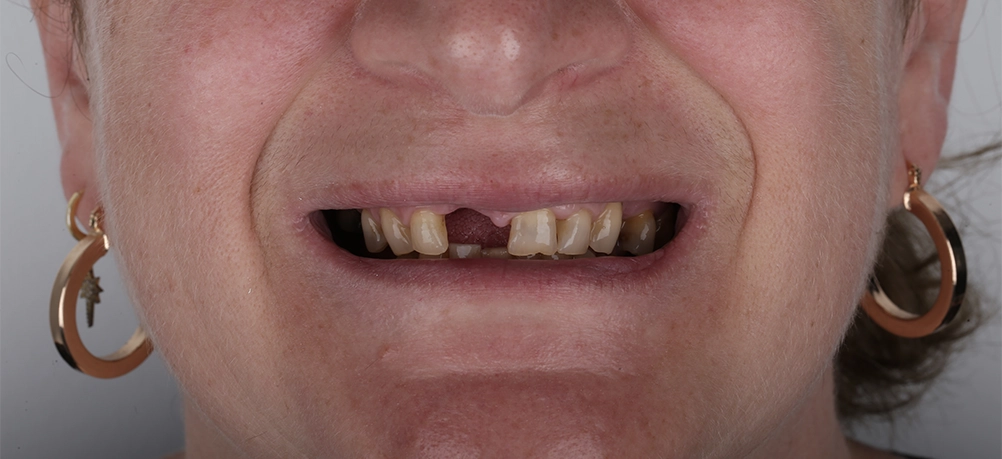
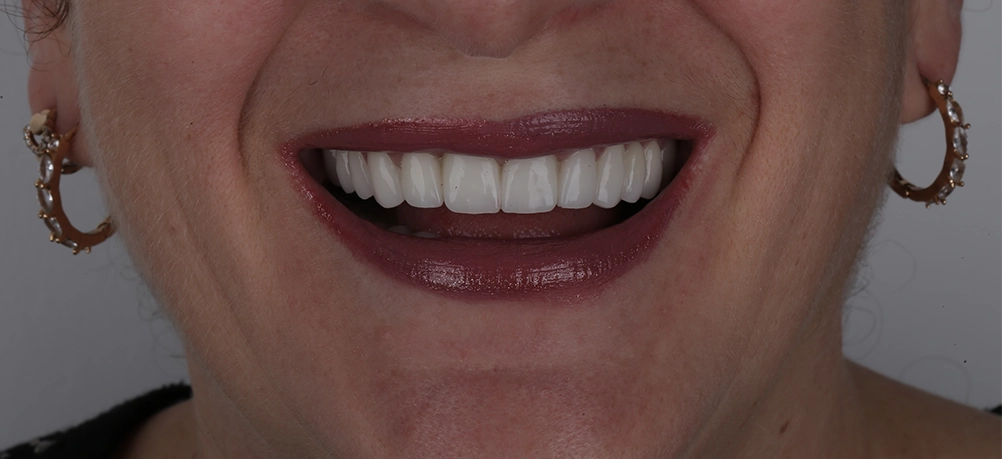
Dental Implant
4 implants and 27 zirconium crowns were applied.


Dental Implant
Twelve implants and 24 monolithic zirconium crowns were placed.
Contents
- Dental Implant Treatment
- Treatment Summary
- Videos
- Before & After
- Dental Implant
- Dental Implant
- What is a dental implant?
- What should be considered before getting dental implants?
- How are dental implants placed?
- Advantages of Dental Implants
- How long does dental implant treatment take?
- How are front tooth implants placed?
- Who are suitable candidates for dental implant treatment?
- Dental Implant Prices 2025
- Medentica (German Brand) Dental Implant Service Prices: 16,000 TL - 20,000 TL
- Swiss (Swiss Brand) Dental Implant Service Prices: 11,000 TL - 15,000 TL
- Implance (Local Brand) Dental Implant Service Prices: 7,000 TL - 7,500 TL
- Straumann (Swiss brand) Dental Implant Service Prices: ₺30,000 - ₺45,000
- Physicians Serving in This Field
What is a dental implant?
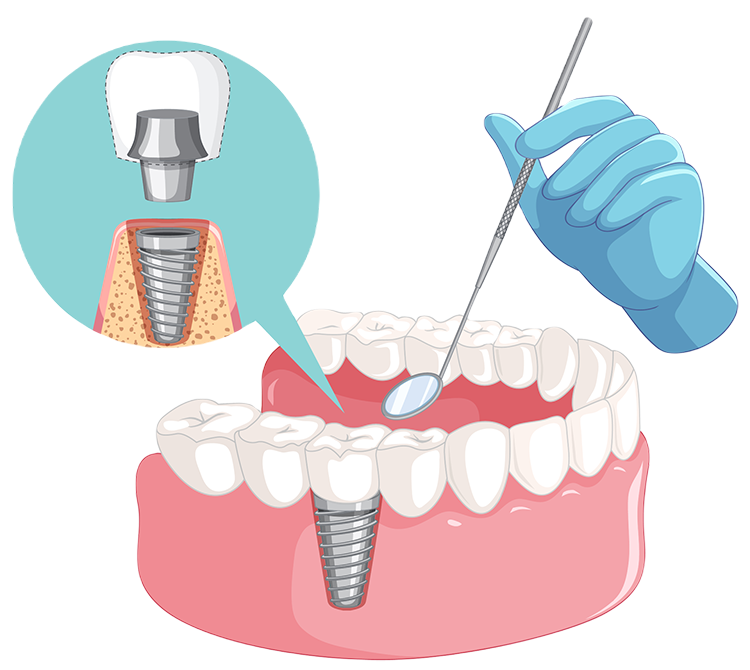
Dental implants are a permanent solution for replacing lost teeth. This treatment involves placing screw-like implants, usually made of titanium, into the jawbone. The implant is surgically secured to the jawbone, and prosthetic teeth placed on top provide an appearance and function similar to natural teeth.
This treatment is generally suitable for individuals experiencing tooth loss. Implants are placed in the jawbone, fuse with it, and form a strong foundation. In this way, implants that replace lost teeth restore chewing function and provide an aesthetically pleasing appearance similar to natural teeth.
Dental implants generally require a surgical procedure. The first step is placing the implant into the jawbone. Following this, a healing process begins, during which a strong bond is expected to form between the jawbone and the implant. Once healing is complete, prosthetic teeth are placed on top, completing the treatment.
What should be considered before getting dental implants?
Dental implant treatment is a process that requires careful planning beforehand. It is important to consider the following factors before starting treatment:
- General Health Status:
Candidates for dental implants should have their overall health assessed. Conditions such as chronic illnesses, diabetes, or heart problems can be particularly decisive in determining suitability for implant treatment.
- Smoking:
Smoking can negatively affect the success of implant treatment. Smoking can slow down the healing process and reduce the chances of the implant integrating with the bone. Therefore, it is recommended to quit or reduce smoking before treatment.
- Oral Hygiene:
Good oral hygiene is important before and after implant treatment. Dental implants must be compatible with the surrounding tissues. Therefore, attention should be paid to gum health, and gum diseases should be treated if necessary.
- Jawbone Quality:
A healthy jawbone is essential for successful implant placement. If the jawbone is insufficient, additional procedures such as bone grafting should be considered. Therefore, the quality of the jawbone should be assessed with a detailed X-ray or CT scan.
- Pregnancy Status:
Pregnancy is an inconvenient time for dental implant treatment. Treatment planning can be postponed until before or after pregnancy. Detailed communication between the dentist and the patient is crucial in this regard.
- Holistic Treatment Plan:
Dental implants generally require a multidisciplinary approach. A holistic treatment plan should be developed through collaboration between the dentist, oral surgeon, and prosthetist. This plan should be personalized to the patient's needs and characteristics.
- Cost and Insurance:
Implant treatment can be expensive and is generally not covered by insurance. Treatment costs should be clearly determined before treatment, taking the patient's financial situation into consideration.
Evaluating these factors before undergoing dental implant treatment is crucial to ensuring a successful and problem-free procedure. Each patient should be assessed according to their specific circumstances, and a personalized treatment plan should be created.

How are dental implants placed?
Dental implant surgery is a multi-stage process and typically involves the following steps:
- Inspection and Planning:
The first step begins with a detailed examination and X-ray by a dentist. Factors such as jawbone quality, missing teeth, and overall health are evaluated. Based on this information, a personalized implant treatment plan is created.
- Surgical Stage:
Implant placement is usually performed under local anesthesia. An incision is made in the jawbone to create the space for the missing tooth. Then, a titanium implant screw-like device is placed into the jawbone. At the end of this stage, the implant, which is attached to the jawbone, is left to heal.
- Healing Process (Osteointegration):
A minimum healing period of 3 months is required for the implant to fuse with the jawbone and form a strong bond. During this period, the jawbone accepts the implant and a bond forms between the bone and the implant. This bonding is called osseointegration.
- Temporary Prosthetic Implantation (Optional):
While the healing process continues, a temporary prosthesis can be applied to meet the patient's aesthetic and functional needs. This allows the patient to continue their daily life more comfortably.
- Permanent Prosthetic Implantation:
Once the healing process is complete, permanent prosthetic teeth are placed on the implant. These prostheses provide an aesthetic similar to natural teeth and restore chewing function. The prosthesis is custom-made to match the patient's tooth color and jaw structure.
- Checks and Maintenance:
Regular check-ups are important after implant treatment is completed. The dentist regularly checks the health of the implants and prostheses. They also recommend appropriate dental care methods and routine check-ups for the patient.
Dental implant treatment can vary depending on patient characteristics and the treatment plan. However, generally, a successful dental implant treatment can be achieved by following these steps. You can contact İnci Diş's expert teams for the most suitable implant treatment.
Advantages of Dental Implants
Dental implant treatment differs from other dental treatment methods by offering many advantages. The main advantages of dental implants are as follows:
- Longevity:
Dental implants are long-lasting when used with proper care and hygiene. With correct care, implants can last a lifetime.
- Similarity to Natural Teeth:
Unlike other dental prostheses that provide an artificial sensation, implants offer a feeling very similar to natural teeth. They offer a near-natural experience in terms of chewing function and speech ability.
- It supports the jawbone.
Dental implants support the jawbone, helping to preserve the jaw structure. Bone loss in the jaw due to missing teeth is prevented thanks to implants.
- Aesthetic Appearance:
Implants offer an aesthetic appearance similar to natural teeth. Custom-made porcelain veneers, matching the tooth color, make the patient's smile natural and attractive.
- Does not harm surrounding teeth:
Like other dental prostheses, dental implants do not damage surrounding teeth. Because they are placed directly on the jawbone without support from adjacent teeth, healthy tooth tissue is preserved.
- Prevents Bone Loss:
Implants prevent bone loss by applying pressure and stimulation to the jawbone. This helps preserve the jaw structure for a longer period.
- It prevents bone loss and gum recession.
In cases of missing teeth, the jawbone tends to recede over time. Dental implants are a treatment that prevents bone loss and gum recession.
- Fixed Prosthesis:
Implants are firmly fixed to the jawbone, so they don't slip or move around in the mouth like other removable dentures. This allows the patient to perform daily activities more comfortably. Being a fixed prosthesis, it doesn't move around in the mouth like dentures with a palate, and it improves chewing and speaking comfort.
Dental implants offer a permanent and effective solution for individuals experiencing tooth loss, thanks to their aesthetic and functional advantages. These advantages are key factors that distinguish implant treatment from other dental treatment methods.

How long does dental implant treatment take?
The duration of dental implant treatment varies depending on the patient's overall health, the location of the implant placement, and the methods used. Including the waiting period, the process is expected to take a minimum of 3.5 months.
How are front tooth implants placed?
Anterior dental implants are a specialized implant treatment method performed in dental areas where aesthetic concerns are more prominent. This process is carried out with careful planning and a focus on aesthetics. The basic steps of an anterior dental implant are as follows:
Inspection and Planning:
Dental implant process The first step is a detailed examination and X-ray by a dentist. The jawbone structure, gum condition, and aesthetic expectations are evaluated. The decision regarding implant placement in the front teeth area is planned according to the patient's facial structure and smile line.
Jawbone Preparation:
The jawbone area where the implant will be placed is carefully prepared. The jawbone is shaped appropriately if necessary, and special preparations are made to ensure the implant is placed in the correct position.
Implant Placement Surgery:
During the surgical phase, an incision is made in the jawbone under local anesthesia, and the implant is placed in the predetermined correct position. Anterior dental implants are generally smaller and specially designed, which improves aesthetic results.
Temporary Prosthetic Implantation (Optional):
After implant placement, a temporary prosthesis can be applied to meet the patient's aesthetic needs while the healing process continues. This allows the patient to comfortably go through the treatment process without losing their smile.
Recovery Process:
The implant requires a healing process lasting several weeks to integrate with the jawbone and establish a strong bond. During this time, it is important for the patient to maintain good oral hygiene and follow their doctor's recommendations. Swelling in the gums after implant placement. If you experience any of these, you can contact your dentist.
Permanent Prosthetic Implantation:
Once healing is complete, custom-made permanent prosthetic teeth are placed on the implant. These prostheses provide an aesthetic appearance and function similar to natural teeth.
Checks and Maintenance:
Regular check-ups are important after implant treatment is completed. The dentist regularly checks the health of the implants and prostheses. They also recommend appropriate dental care methods and routine check-ups for the patient.
Anterior dental implants are a treatment method carefully planned and implemented to meet both aesthetic and functional expectations. This process, where aesthetic factors are prioritized, allows the patient to benefit from the treatment without losing their natural smile.
Front tooth implant prices To get more information, you can make an appointment at the nearest İnci Dental Clinic.
Who are suitable candidates for dental implant treatment?
Dental implant treatment is generally applied to individuals who have missing teeth and whose general health is suitable. However, having a healthy jawbone is also important for the success of the treatment. Anyone experiencing tooth loss can consult a specialist about dental implant treatment.
Dental Implant Prices 2025
Special for the year 2025 dental implant prices, The cost varies depending on many factors. Implant prices differ according to the materials used and the treatment process. For example, 32 tooth implant prices, Prices are divided into categories such as single tooth implant price and front tooth implant price. The cost of implant treatment is determined according to the details of the treatment process and the materials used.
You too can learn more about the dental implant process and determine the most suitable implant treatment for you. the most affordable dental implant prices To get more information, you can contact the expert dentists at İnci Diş and learn about the most suitable treatment method.
Medentica (German Brand) Dental Implant Service Prices16,000 TL - 20,000 TL
- Qualified and Professional Team
- High-Tech Dental Laboratory
Swiss (Swiss Brand) Dental Implant Service Prices11,000 TL - 15,000 TL
- Qualified and Professional Team
- High-Tech Dental Laboratory
Implance (Local Brand) Dental Implant Service Prices7,000 TL - 7,500 TL
- Qualified and Professional Team
- High-Tech Dental Laboratory
Straumann (Swiss Brand) Dental Implant Service Prices30,000 TL - 45,000 TL
- Qualified and Professional Team
- High-Tech Dental Laboratory
Physicians Serving in This Field




These might also interest you
Dental Implant Prices
Missing teeth can be bothersome, both aesthetically and functionally. Fortunately, teeth...
Read More
Everything You Need to Know About Implants
What is an implant? Dental implants are made of titanium, which is compatible with the human body. They address tooth loss by providing a more aesthetic and...
Read More
What is Bone Powder? Bone Powder Applications
Tooth loss or bone resorption in the jaw affects the health and quality of life for many people...
Read More
How many implants are needed for someone with no teeth?
Tooth loss is a condition that negatively affects both a person's physical and psychological health. Never...
Read More
What is a Zygomatic Implant? How is it performed?
Zygomatic is an innovative solution for patients experiencing missing teeth and insufficient jawbone...
Read MoreOnline Appointment
Dental implants are titanium screws that are placed into the bone to replace teeth lost due to decay or various periodontal diseases.
It can be applied to all patients aged 18 and over who have completed jaw and bone development and have sufficient bone structure.
First, local anesthesia is applied to the area where the implant will be placed. After the mouth is completely numb, the gum is opened and the implants are placed in the bone.
If the bone condition is adequate and there is no infection, the screws can be placed in the bone in a single session. There will be a waiting period of 3 to 6 months before the porcelain crowns are made. During this period, the screws are expected to adapt and fuse with the bone.
Since the treatment is performed under local anesthesia, no pain or discomfort is felt during the treatment. Some patients may experience some pain for a few days after the treatment, but this pain can be managed with certain medications.