


What are the different types of porcelain veneers?
 Dental veneers are restoration procedures performed on teeth that have lost substance due to various reasons, or on teeth to correct aesthetic defects, using different materials. They can be applied when fillings or other methods are insufficient to treat substance loss in a tooth due to decay, fracture, or trauma, or to aesthetically alter the appearance of teeth and replace missing teeth.
To apply veneers to teeth, the teeth are first ground down. The amount of this process can vary depending on the type of veneer and the aesthetic expectations. Certain types of veneers can be applied without any grinding of the teeth, or with very little grinding of the front portion of the teeth.
The materials used for veneer treatment can be metallic or non-metallic. Ceramic is applied to metal or aesthetically pleasing materials as the substructure, aiming for both a natural and aesthetically pleasing appearance. Veneers prepared in a laboratory are cemented to the teeth with adhesives that are completely harmless. For implant-supported veneers, it is sometimes possible to fix them with screws without using adhesive.
These veneers, sometimes handcrafted in a laboratory setting and sometimes, especially recently, prepared without manual intervention using CAD-CAM technology, have an average lifespan of 10-15 years. Of course, the length of this period depends directly on the patient's attention to oral hygiene and the adaptation of the surrounding tissues over time. Patients should pay attention to oral hygiene after the veneer procedure and attend regular check-ups with their dentist.
In the case of tooth decay, the decay in the tooth is first treated with fillings, root canal treatment, or even fiber post placement if necessary. Only then can the crown application begin. However, in cases where there is no decay, zirconium crowns, laminates, or Empress crowns can be applied to patients who desire an aesthetic and natural tooth appearance.
Contents
How is a single tooth veneer applied?
Single tooth crowns are generally used to protect the tooth. If there is significant loss of tooth structure, a crown may be necessary after filling or root canal treatment. If you don't get one, the remaining tooth structure will have difficulty supporting the filling and may eventually break. If the crown is in the back of the tooth, outside the smile line, a metal-supported porcelain crown can be preferred; however, if it is in the front, within the smile line, you should choose a more aesthetic, natural-looking crown.
In metal-supported porcelain veneers, the substructure is metal, so there will be a metallic reflection on your gums. This results in an unappealing aesthetic. For this reason, they are generally applied to teeth in the back of the mouth. Zirconium or Empress veneers, on the other hand, are more suitable for teeth in the front of the mouth because they can be applied in perfect harmony with the patient's own tooth.
How long does it take to get dental veneers?
To create dental veneers, the teeth must first be prepared by grinding them down so that porcelain can be placed on them. Manual or digital impressions are taken of the reduced teeth and sent to the laboratory. The preparation of the substructure for the teeth begins. This process varies depending on the workload of the laboratory. Once the veneers are ready, the patient returns to the clinic for a trial fitting. During the trial, the veneer's compatibility with the gums is checked. If there are no problems, the finishing process begins. The porcelain is applied to the substructure, and the veneer takes its final form. It is cemented (bonded) with adhesives that do not damage the tooth.
The time it takes to complete a dental veneer can vary depending on the type and/or number of veneers to be applied. While single veneers can be finished immediately, several trial sessions may be necessary as the number of veneers increases.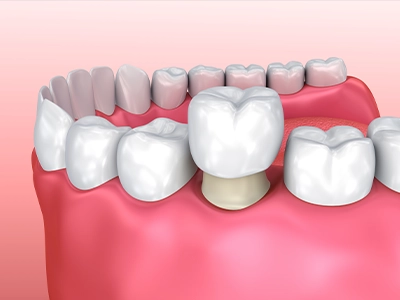
What are Natural Tooth Veneers?
Dental health and beauty are crucial for self-confidence. However, over time, problems can arise in teeth due to cavities, discoloration, or trauma. At this point, natural tooth veneers offer a perfect solution that combines aesthetics and functionality.
Natural tooth veneers are created by bonding porcelain or composite materials to the surface of the tooth. These veneers are custom-made for each individual, taking into account the color and shape of the tooth, therefore the result is a very natural and aesthetic appearance.
Another important advantage of this method is that it supports tooth function. The veneer is designed to fit the oral structure and moves in harmony with the person's natural teeth. It can be used without problems in daily activities such as eating and speaking.
Natural tooth veneers combine aesthetics and functionality while also offering a durable solution. With proper care and cleaning, veneers can last for many years.
Natural tooth veneers are an excellent option for those seeking to restore the aesthetics and functionality of their teeth. Performed under the supervision of a professional dentist, this procedure is the best solution for a healthy and aesthetically pleasing smile.
If we examine the types of dental veneers;
1- Metal-backed porcelain veneer
In this method, after taking an impression of the tooth, a metal substructure is created to match the impression. If the substructure is compatible with the patient's tooth, the dental technician applies porcelain veneers onto the substructure. After polishing, the veneer is ready to be bonded to the patient's tooth. It is frequently preferred in posterior tooth regions.
2-Full Ceramic Empress Coating
This technique, used in single-tooth veneers, differs from metal-supported veneers in that it can only be applied to a single tooth in the front region.
3-Zirconium Porcelain Veneer
This veneer technique, which has multiple advantages, is most often preferred for its aesthetic appearance. Zirconium veneers are the closest type of veneer to a patient's natural tooth. Because of their excellent compatibility with the gums, they are frequently preferred in the front areas.
4-Laminate Veneer Coating
Unlike other types of veneers, laminate veneers are applied only to the front of the tooth. Also known as leaf veneers, laminate veneers are the most frequently preferred type of veneer in recent times. They provide a perfect visual appearance to the tooth.
5-Composite Laminate Veneer Veneer
This technique, which isn't exactly a type of veneer, is more about bonding filling materials to the tooth. Used to fill slightly separated teeth and repair broken or cracked teeth, this method is called Composite Laminate Veneer Coating.