



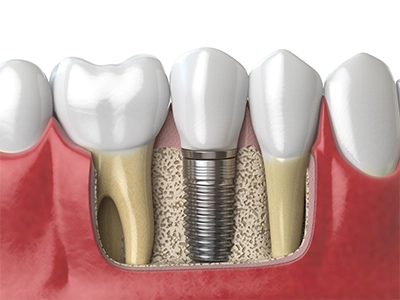
Can Implant Treatment Fail? Why?
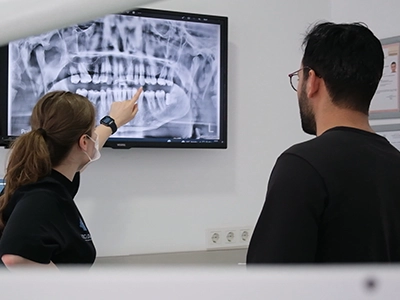 Signs of failed implants can manifest as constant or intermittent pain and discomfort in the mouth. Pain or tenderness in the implant area, and post-implant problems such as infection in the tissues surrounding the implant, are among the signs of failed implants.
Inflammation or infection can develop around a failed implant. Post-implant complications such as redness, swelling, tenderness, or pus formation in the tissues surrounding the implant may occur. This may be related to infection of the tissues around the implant or the spread of infection into the implant itself, and are clear indicators of faulty implant placement.
Contents
- What is a failed implant?
- The Most Common Signs of Implant Failure
- Why do implants fail?
- What happens if the implant fails?
- What happens if the implant hits a nerve?
- What causes numbness in the lips and chin after implant surgery?
- Pearl Dental Clinic for Successful Implants
- Fill out the form to get detailed information.
What is a failed implant?
A failed implant refers to implant complaints such as problems during or after implant treatment, or the implant not functioning or aesthetically as desired. Implant problems can stem from a variety of factors and may include issues related to implant placement, integration, or use.
The Most Common Signs of Implant Failure
The most common signs of implant failure can be listed as follows:
- Pain and discomfort
- Inflammation and infection
- Implant loosening or mobility
- Gum problems
- Jawbone atrophy
- Functional problems
- Aesthetic problems
Why do implants fail?
Accurate diagnosis, planning, and treatment are crucial for successful implant integration. A skilled dentist can assess implant suitability, create an appropriate treatment plan, and ensure successful implant integration.
Symptoms of failed implants may stem from the following reasons:
- Bone deficiency
- Infection and inflammation
- Incorrect implant positioning.
- Implant failure
- Patient factors
- Implant complications
 What happens if the implant fails?
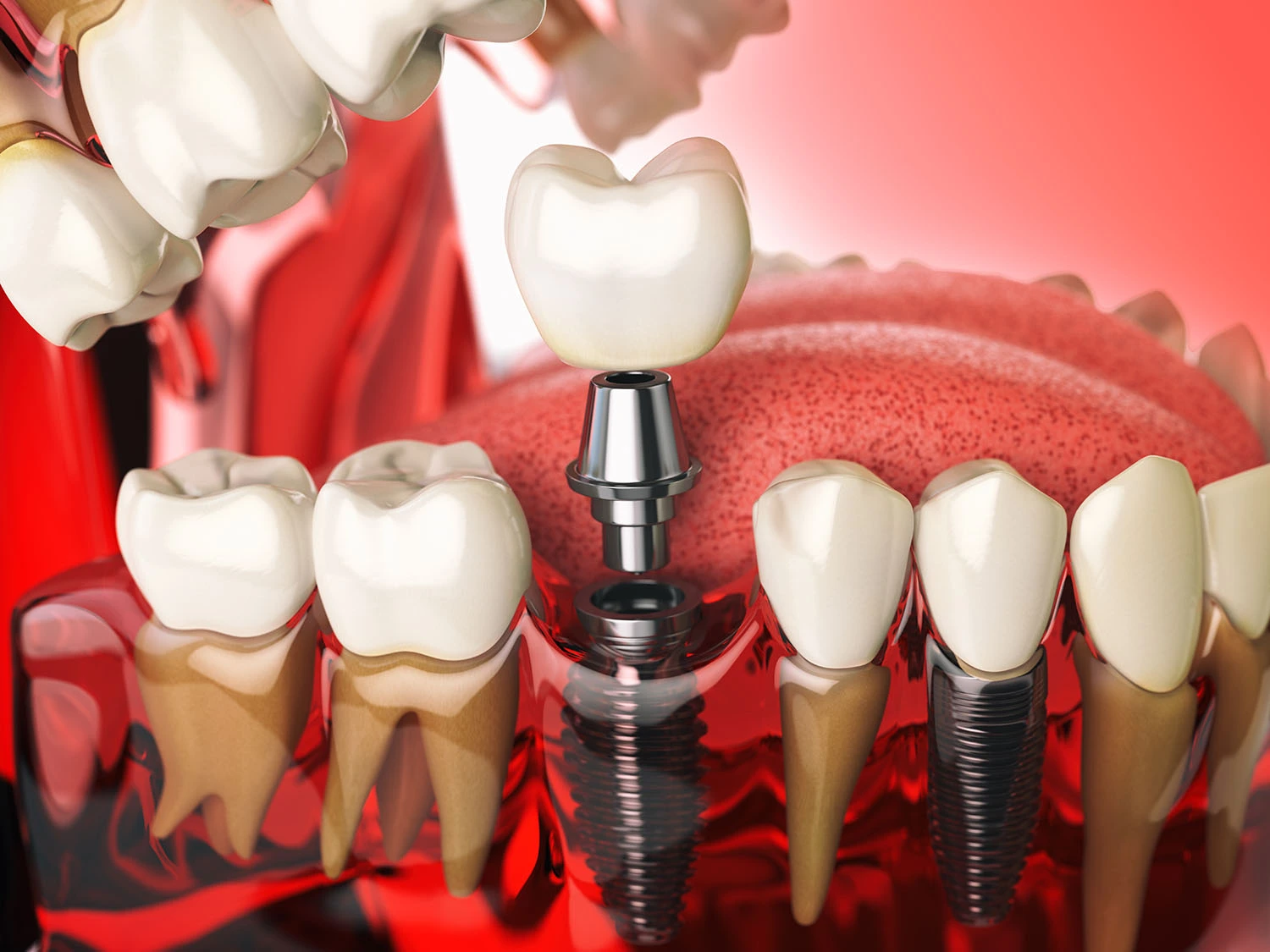 What happens if the implant fails?
In the aftermath of failed implants, the implant may be completely lost. An implant that is loose or not holding properly can become loose, move, and eventually separate from the jawbone over time.
- Dental Intervention: In the case of a failed implant, a professional dentist or periodontist can evaluate the implant and offer appropriate treatment options.
- Treatment Planning: Treatment options may include implant removal, revision surgery, alternative implant methods, or correction of the prosthesis.
- Treatment Procedure: The planned treatment is applied to the patient based on the cause of the implant failure.
- Post-Treatment Process: To ensure the success of the implant and the preservation of the patient's oral health, a post-treatment follow-up process is carried out by our dentists.
What happens if the implant hits a nerve?
When an implant comes into contact with a nerve, there is a potential risk of nerve damage. Nerve damage is a serious condition among the signs of a failed implant and can cause a variety of symptoms.
If an implant hits a nerve or causes nerve damage, the situation should be immediately evaluated by a professional dentist or oral surgeon. Depending on the degree of nerve damage, treatment options may include implant removal, nerve repair, or evaluation of alternative treatment methods. The treatment plan will be determined based on the severity of the condition and how far the nerve damage has progressed. Therefore, it is important to consult a specialist immediately if you notice any signs of nerve damage.
What causes numbness in the lips and chin after implant surgery?
Numbness in the lip and jaw after implant surgery is often associated with nerve involvement or damage during the procedure. Implant surgery involves working around nerves while placing implants into the jawbone. Therefore, numbness can occur if the nerves come into contact with or are pressured by the implant.
Numbness in the mouth or jaw area can be temporary or permanent. Post-implant numbness is usually temporary and improves over time. Temporary numbness caused by nerve damage or irritation typically resolves within a few weeks or months.
However, in rare cases that could be considered signs of implant failure, permanent numbness may occur after implant surgery. In this case, there may be severe nerve damage or severance. Permanent numbness may persist unless the nerve damage heals or the nerve is reconnected.
Pearl Dental Clinic for Successful Implants
Dental implant treatment is an extremely important and widely used treatment method. However, this type of treatment involves challenging processes. There are various factors to consider. Thorough research is necessary before starting any treatment. Finding a suitable treatment method for failed implants is more complex than the implant creation process itself. To avoid this, you should choose your dentist carefully. At İnci Dental Clinic, we offer successful... implant treatment Aiming to be the best dental clinic, we provide a suitable environment with professional experts, state-of-the-art equipment, and a laboratory. At İnci Dental Clinic, patients can choose the most appropriate treatment for their needs and achieve excellent results. Our success in implant procedures gives you peace of mind. You can easily schedule an appointment through the İnci Dental Clinic website and start your treatment safely and quickly.
You might also be interested in: Zirconium Coating Maintenance