




When should old dental fillings be replaced?
Dental fillings are used to repair tooth structure loss caused by decay and restore tooth function. However, it shouldn't be assumed that a filling will remain the same forever. Over time, the filling may wear down, break, or decay may recur in the area between the filling and the tooth.
Contents

Is there a specific timeframe for renewing old fillings?
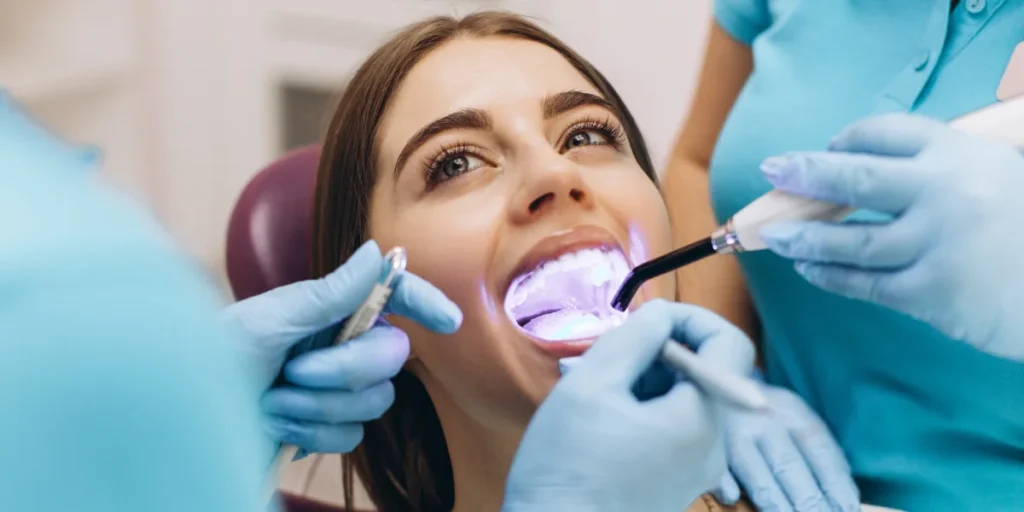
No. A filling doesn't need to be replaced simply because it's old. Whether or not a filling needs replacing depends on the condition of the filling, whether there's any new decay under or around the tooth, and the overall health of the tooth. Old fillings that are in good condition can be monitored with regular checkups. Therefore, it's not accurate to give a universally applicable timeframe like, "The filling is 5 years old, it definitely needs to be replaced.".
What are the signs that indicate an old filling needs to be redone?
- Fracture or cracking of the filling
If a portion of the filling breaks, cracks, or becomes dislodged, it should be evaluated by a dentist. Damaged fillings can make it difficult to protect the spaces between the tooth and the filling.
- Opening at the Edge of the Filler
A gap or leakage between the filling and the tooth can allow bacteria to reach this area and cause decay to develop again under or around the filling.
- Tooth pain or tenderness
- Pain and sensitivity in a tooth that has previously had a filling, especially when exposed to hot, cold, or chewing, necessitate a check-up of both the filling and the tooth.
However, pain doesn't always mean the filling needs to be replaced. Problems with the tooth's nerve tissue can also cause similar symptoms.
- Re-formation of tooth decay under the filling.
If new decay has developed around or under an old filling, the filling may need to be repaired or completely replaced. Different treatment options may be considered depending on the depth of the decay. (NHS England)
- Filler Deterioration
Fillings can wear down over time, especially in areas subjected to high chewing force. Teeth clenching or grinding can also increase the risk of damage to fillings.
- Aesthetic Changes in Filler
- Composite (white) fillings, in particular, can change color or stain over time. This alone doesn't always require medical replacement; however, it may be something to consider for aesthetic reasons. (mouthhealthy.org)
Should every old filling be replaced?

No. Current practices don't always require completely removing and replacing a sound filling simply because it's "old.". During the examination, the dentist will assess the edges of the filling, any wear and tear, whether there are any cracks, and whether there are any new cavities in the tooth. In some cases, instead of replacing the entire filling, it may be possible to repair only the problematic area or smooth the surface of the filling. This approach can help prevent the unnecessary removal of healthy tooth tissue.
Should old amalgam fillings be replaced?
Old amalgam fillings don't automatically need to be replaced simply because they are metallic in color or old. Amalgam fillings in good condition can be monitored by a dentist. If there is decay, fracture, leakage, or other problem under the filling, your dentist will evaluate the appropriate treatment option.
Why are filler check-ups important?
Some problems that develop under or around a filling may not initially cause any pain. Therefore, it's important not to neglect regular dental checkups instead of only going to the dentist when you experience pain. The dentist may use imaging methods such as X-rays in addition to a clinical examination if deemed necessary.
What should you do if you have old fillings?
Even if you have a filling in your tooth that has been there for many years and you have no complaints, you can still have its condition assessed during your routine dental checkup.
Especially;
- If the filling is broken,
- If the filling has shifted or fallen out,
- If you have newly developed tooth sensitivity,
- If you experience pain while chewing,
- If there is suspicion of discoloration or decay around the filling
Regular dental checkups allow us to monitor the condition of old fillings and detect problems before they worsen. You can visit our clinic for pricing information.