




How can children be taught the habit of brushing their teeth?
Oral and dental health is one of the most important aspects of our overall health, applicable throughout life. The foundation of our health is laid in childhood. Parents can instill good habits in their children through a shared routine. This early development of habits is one way to prevent tooth decay, gum disease, and related major problems in later years. It not only protects teeth but also instills a sense of responsibility for personal care and self-care in the child. This process requires consistency, patience, and the right strategy from the parent.
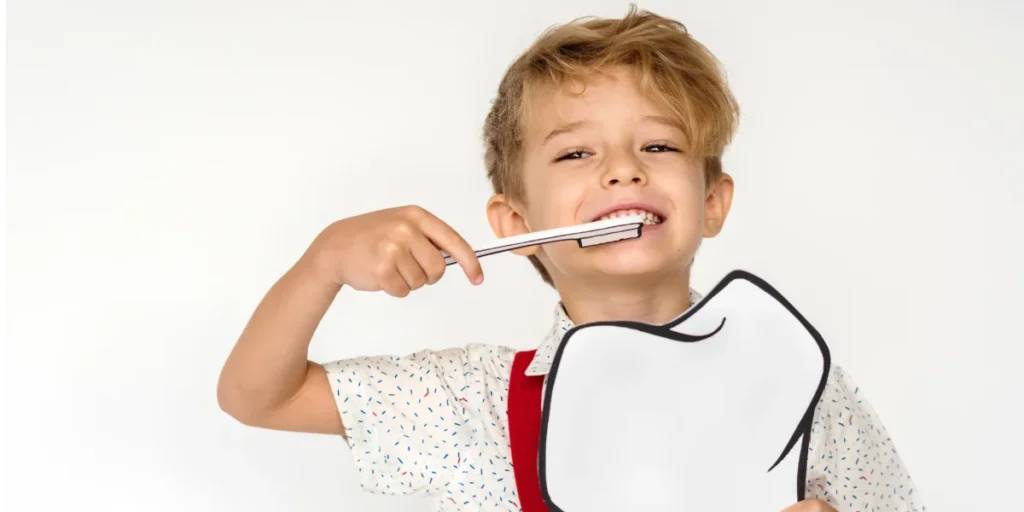
The goal is to transform tooth brushing habits in children from a mandatory and tedious routine into a natural, ordinary, and fun part of their daily lives. Children are more receptive to fun, game-based routines than rigid rules. Parents need to be patient and consistent in this process. Brushing one day and then skipping the next with a different excuse can create the impression in children's minds that "brushing teeth isn't mandatory." Parental role modeling and communication with the child are crucial. Instead of frightening the child with the consequences of not brushing, parents should explain the habit in a way that encourages brushing. For example, instead of saying, "If we don't brush our teeth, they'll decay, the doctor will give them injections," they could say, "Let's brush our teeth so they'll be beautiful, bright, and clean like pearls," thus diversifying the process.

What should be done to develop a tooth brushing habit?
- Setting an Example and Consistent Time: Brushing teeth together at least twice a day, after breakfast and before bedtime, makes the child feel that it is a routine and a necessary daily personal care activity, thus establishing a habit.
- Games and Fun Songs: These kinds of supportive activities encourage the child and help establish a daily routine, making them look forward to these moments with excitement.
- Storytelling: Stories should explain, in a child-friendly way, the importance of dental hygiene and the potential consequences of not brushing teeth.
- Creating a Calendar with Stickers: After some skillful brushing, a beautiful board can be created with colorful and attractive stickers.
- Letting Them Choose Their Own Brush and Toothpaste: By creating age-appropriate options, allow them to choose the one that suits them best. Use soft, small-headed brushes and age-appropriate toothpaste, making them feel special and appealing.
- Be patient and consistent: During the process of establishing the routine and repetition, remain calm and avoid behaviors that will stress the child. Allow the child to brush their own teeth, and work together to reach areas where they are missing or unable to brush.