




Complicated Tooth Extraction
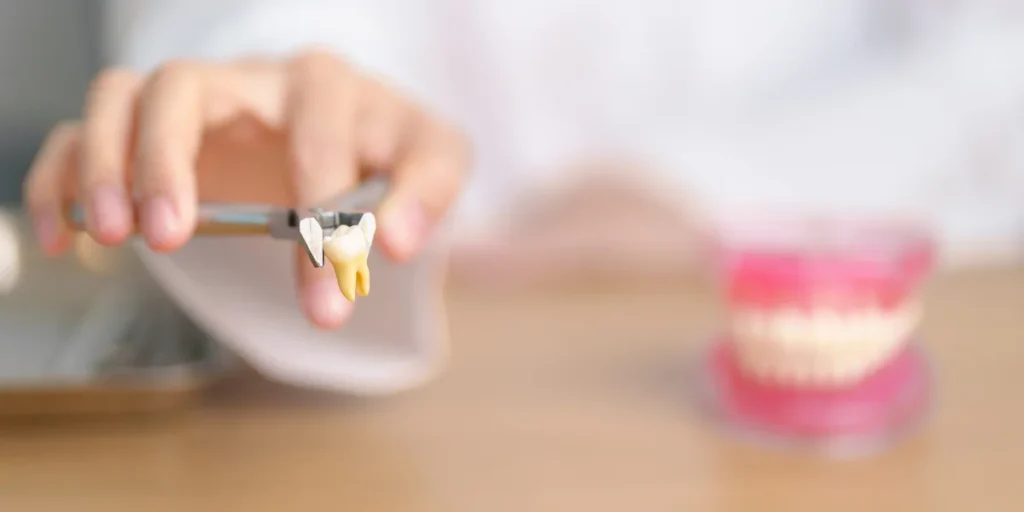
Tooth extractions are procedures performed based on factors such as root size, crooked roots, impacted roots, and fractures. In many cases, they require surgical skill and specialized techniques.
Contents
Complication Classes
- Impacted or Partially Impacted Teeth: Especially in cases where wisdom teeth remain embedded in the gums or bone.
- Broken Teeth: In cases where a portion of the tooth is completely broken off and only the roots remain.
- Root Structure: In cases where the roots are curved, hooked, and extend into the jawbone.
- Infected Teeth: Teeth with severe inflammation and cysts around the tooth area
Treatment Process
Peak: The dentist will first make an assessment after examining the mouth, including taking X-rays and, if necessary, a CT scan to check the position of the tooth and surrounding tissues.
Anesthesia: These procedures are performed under local anesthesia, but depending on the patient's comfort and the complexity of the procedure, general anesthesia can also be used at the discretion of the patient and doctor.
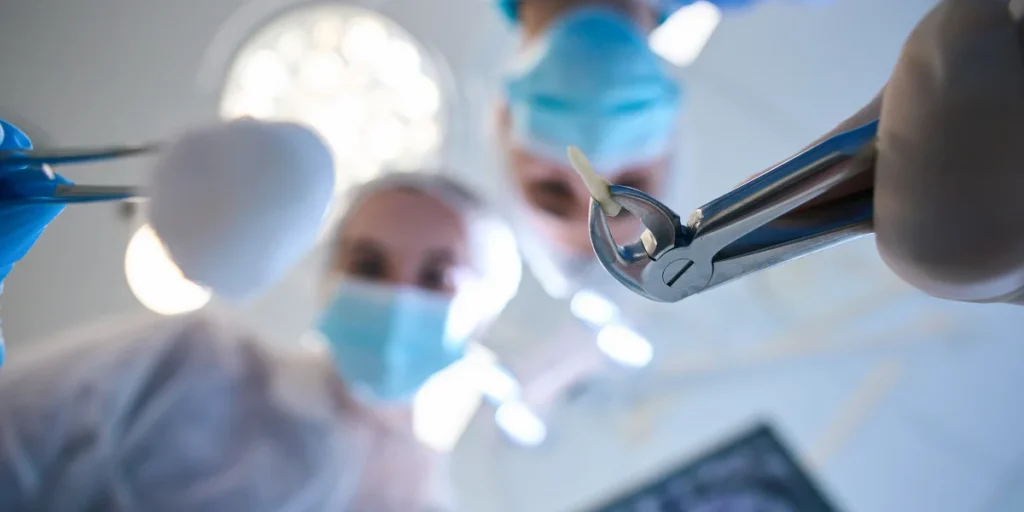
Treatment: Surgical incisions are made to access the tooth, and using special techniques, the tooth is divided into sections for extraction. Afterwards, stitches are applied, and the healing process begins.
Price Information for Complicated Tooth Extraction
Prices vary depending on the condition of the tooth, the technique used, the materials, and the clinic. You can get detailed information by visiting İnci Dental Clinic.
Things to Consider After Treatment
Bleeding Conditions: According to the doctor's instructions, a bitten-on tampon should be kept in the mouth for 40 minutes to 1 hour. After removing the tampon, avoid spitting, gargling, and brushing for 24 hours. Doing so may increase bleeding.
Nutrition: After the effects of anesthesia wear off, you can eat and drink, making sure the food is neither too hot nor too cold and that it doesn't put too much strain on the extraction site. Alcohol and smoking should be avoided for 48-72 hours, as doing so may delay healing and cause painful inflammation.